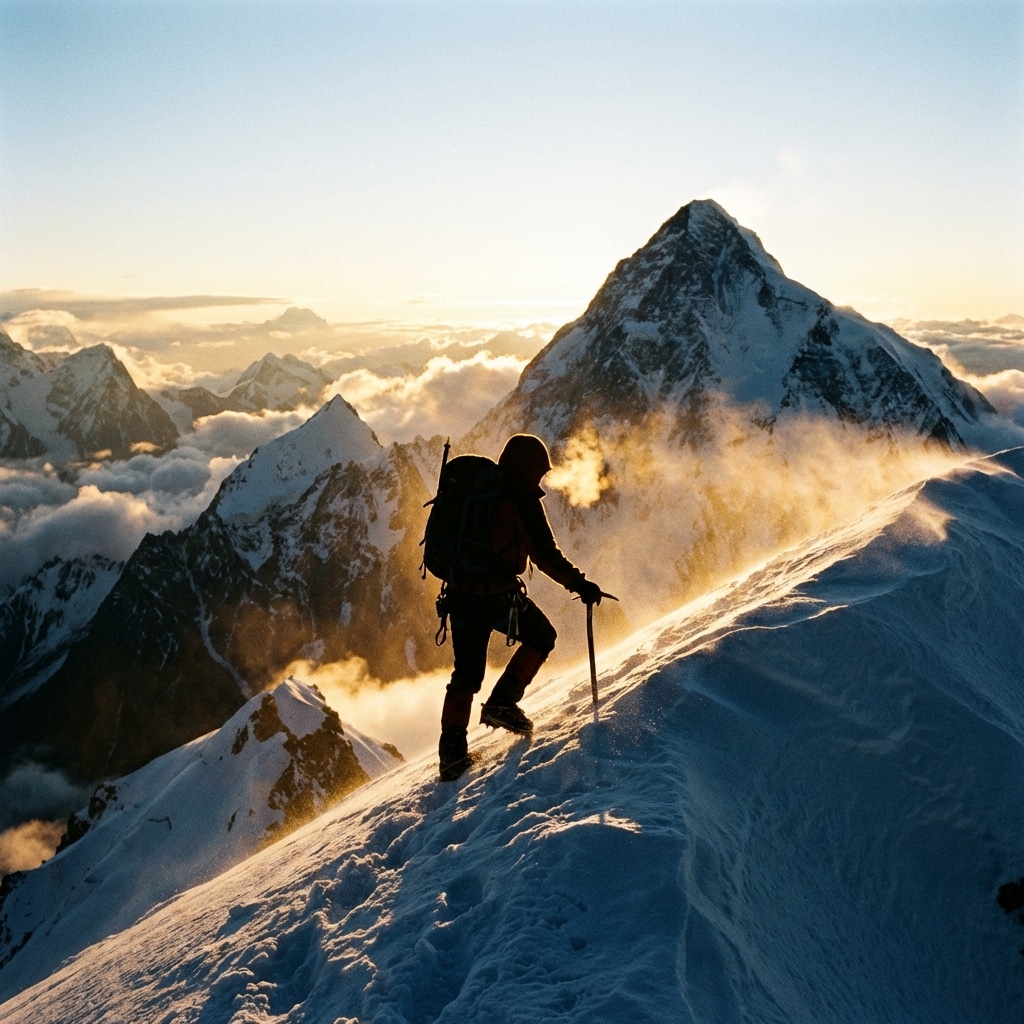
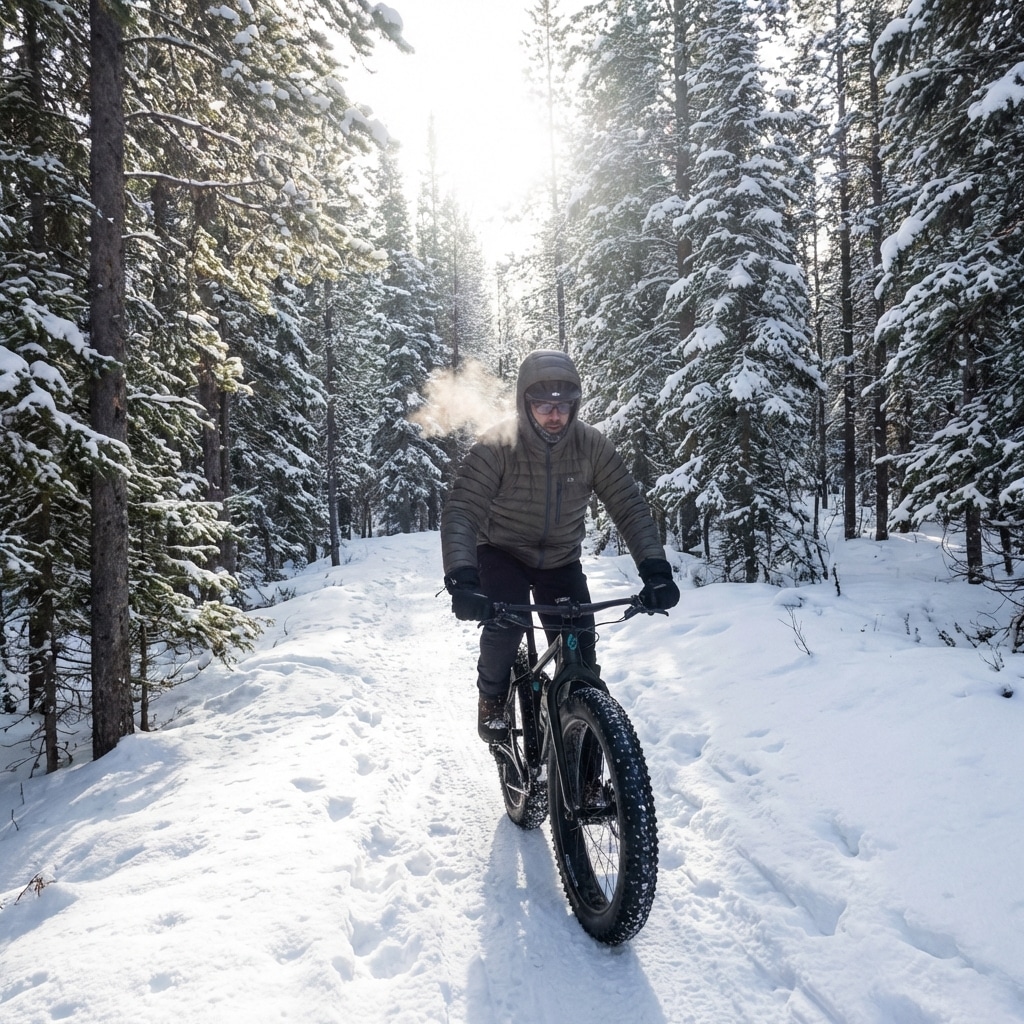
Dreaming of untouched peaks and breathtaking alpine vistas? The mountains call, but they demand respect and the right preparation. One crucial element often overlooked by aspiring adventurers is your clothing – it’s more than just fabric; it’s your frontline defense against the unforgiving alpine environment.
Venturing into high altitudes brings the promise of profound beauty and thrilling challenges, but it also carries inherent risks. From freezing winds to sudden snowstorms, the conditions can change in an instant. This comprehensive guide will equip you with the knowledge to choose the ultimate mountaineering clothing, ensuring your safety, comfort, and success on every ascent.
Conquer the Cold: Why Your Mountaineering Clothing is Your Lifeline
Mountaineering is not a casual stroll. The extreme altitudes, rapidly changing weather, and rugged terrains demand specialized gear. Your clothing isn’t just about looking good; it’s about survival, performance, and maximizing your enjoyment of the wilderness.
Unpredictable Weather: Your First Line of Defense
High-altitude environments are notorious for their volatile weather. A clear, sunny morning can quickly give way to a whiteout blizzard or torrential rain. Proper mountaineering apparel acts as a crucial barrier, shielding you from wind, snow, rain, and extreme cold, keeping you dry and warm no matter what nature throws your way.
Mastering Temperature Control: The Layering Advantage
One of the core principles of mountaineering clothing is its ability to regulate your body temperature effectively. A well-chosen layering system allows you to easily add or remove garments. This critical flexibility prevents both dangerous overheating during exertion and life-threatening hypothermia when exposed to the cold.
Lightweight Performance: Every Ounce Matters
When you’re carrying all your essentials up a mountain, every single ounce makes a difference. Specialized mountaineering clothes are engineered to be incredibly lightweight while still delivering maximum protection and insulation. This delicate balance between minimal weight and high functionality is paramount for energy conservation on long, arduous expeditions.
Durability & Protection: Built for the Backcountry
Mountain environments are harsh, with abrasive rocks, sharp ice, and constant exposure to the elements. High-quality mountaineering clothing is constructed from robust materials designed to withstand rigorous use. It offers resistance against tears, punctures, and prolonged exposure, ensuring your gear lasts and performs when you need it most.
The Essential Layering System: Your Mountain Armor
To achieve optimal protection and comfort in the mountains, your attire must follow a strategic layering system. This system consists of three distinct components: the base layer, the mid-layer, and the outer layer. Each serves a unique purpose, working in concert to adapt to your activity level and the changing conditions.
1. The Base Layer: Your Second Skin for Moisture Management
The base layer is worn directly against your skin. Its primary function is to wick moisture (sweat) away from your body, transferring it to outer layers where it can evaporate. This is crucial for keeping you dry, preventing chilling, and maintaining a stable core temperature.
Material: Opt for synthetic fabrics like polyester, known for their rapid drying, or natural merino wool, which offers excellent warmth-to-weight and odor resistance even when damp.
Fit: It should be snug but never restrictive, allowing for full range of motion. A close fit enhances the wicking action.
Features: Look for flat seams to prevent chafing and antimicrobial treatments to minimize odor during multi-day trips.
Pro Tip: Never wear cotton as a base layer! Cotton absorbs moisture and holds it against your skin, leading to rapid heat loss and a high risk of hypothermia in cold environments.
2. The Mid-Layer: Your Thermal Powerhouse for Insulation
The mid-layer’s main job is insulation – trapping warm air close to your body to retain heat. This is the layer you’ll adjust most frequently based on your activity level and the ambient temperature.
Fleece Jackets: Lightweight, breathable, and quick-drying, fleece is an excellent choice for moderate conditions or as part of a multi-layer system.
Down Jackets: Offering the best warmth-to-weight ratio, down is incredibly insulating and compressible. However, its effectiveness plummets if it gets wet.
Synthetic Insulation: Made from polyester fibers, synthetic insulation performs better than down in damp conditions and is more durable. It’s generally bulkier but a reliable choice for wet, cold environments.
Pro Tip: Consider a mid-layer with a full-length zipper for easy ventilation and temperature regulation without needing to remove the entire garment.
3. The Outer Layer (Shell): Your Fortress Against the Elements
The outer layer, or shell, is your ultimate protection against external elements like wind, rain, and snow. It must be windproof, waterproof, and breathable enough to allow moisture from your inner layers to escape, preventing a clammy feeling inside.
Hard Shell Jackets: Constructed from advanced waterproof-breathable membranes like Gore-Tex, hard shells offer maximum protection against the harshest conditions. They are typically less flexible and can feel “crispy.”
Soft Shell Jackets: More breathable and flexible than hard shells, soft shells are ideal for colder, drier conditions or when you need excellent mobility. They are typically water-resistant, not fully waterproof.
Pro Tip: Look for features like pit zips for ventilation, adjustable hoods compatible with helmets, and sealed seams to ensure full waterproof integrity. A durable water repellent (DWR) finish is also key.
Beyond the Layers: Critical Footwear & Accessories
Your mountaineering outfit extends beyond just the three layers. The right footwear and accessories are equally vital for safety, comfort, and performance in challenging alpine environments. Don’t overlook these essential components.
Mountaineering Boots: Your Foundation for Stability
Mountaineering boots are arguably the most critical piece of gear. They provide essential ankle support, insulation, and rigidity for kicking steps in snow and ice, and they must be compatible with crampons. Ensure a precise fit to prevent blisters and ensure optimal performance on technical terrain.
Socks: The Unsung Heroes of Foot Comfort
Never underestimate the power of good socks. Opt for moisture-wicking, insulating socks made from merino wool or synthetic blends. Layering a thin liner sock under a thicker wool sock can provide additional cushioning, warmth, and blister prevention.
Gloves & Mittens: Protecting Your Extremities
Your hands are highly susceptible to cold injuries. You’ll likely need a system of gloves: lightweight liner gloves for dexterity, a warm mid-layer pair, and waterproof, insulated outer gloves or mittens for extreme cold and wet conditions. Mittens generally offer superior warmth.
Headwear: Where You Lose the Most Heat
A significant amount of body heat can be lost through your head. A warm hat, balaclava, or headband is crucial for cold conditions. For lower altitudes or sunny days, a wide-brimmed sun hat or cap is essential to protect against intense UV radiation.
Gaiters: Guarding Against Snow & Debris
Gaiters form a protective barrier over your boots and lower legs, preventing snow, ice, scree, and moisture from entering your footwear. They are indispensable in snowy, muddy, or dusty conditions, keeping your feet dry and comfortable.
Eyewear: Shielding Your Vision
High-altitude UV radiation can be extremely damaging to your eyes. Always wear high-quality sunglasses or glacier goggles with full UV protection to prevent snow blindness and long-term eye damage. Ensure they fit securely and provide ample coverage.
Elevate Your Adventure: Invest in Quality, Stay Safe
Mountaineering is an exhilarating pursuit that pushes the boundaries of physical and mental endurance. However, venturing into these challenging environments without the correct mountaineering clothing is not just uncomfortable – it’s a recipe for disaster. Understanding the specific function of each layer and choosing high-quality materials and a proper fit can be the critical difference between a memorable, safe adventure and a dangerous ordeal.
Invest wisely in your gear, prioritize safety, and always be prepared for the worst conditions. By following this expert guide, you’ll be well-equipped to face the majestic challenges of the mountains, allowing you to focus on the pure joy, accomplishment, and breathtaking beauty that comes with reaching new heights.