Mountain climbing: a thrilling vertical dance that challenges both body and spirit. Every ascent demands meticulous preparation, and at the heart of that readiness lies one indispensable piece of gear: the mountain climbing backpack. More than just a bag, it’s your mobile basecamp, a meticulously organized lifeline that carries everything from emergency supplies to essential climbing tools. Choosing the right one isn’t just about comfort; it’s about efficiency, safety, and the difference between a triumphant summit and a grueling struggle.
In this comprehensive guide, we’ll cut through the noise to help you select the ultimate mountain climbing backpack. We’ll explore critical features, advanced materials, and professional tips to ensure your next ascent is supported by the perfect companion.
Why Your Mountain Climbing Backpack is Non-Negotiable
When you’re navigating treacherous scree fields or executing delicate multi-pitch climbs, a reliable mountain climbing backpack isn’t a luxury – it’s an absolute necessity. Its importance extends beyond mere carrying capacity, fundamentally impacting your comfort, efficiency, and overall safety on the mountain.
Superior Gear Organization
A high-performance climbing pack is engineered for intelligent storage. Multiple compartments, internal sleeves, and specialized pockets ensure every piece of gear, from your harness to your first-aid kit, has its designated place. This organized system is crucial for rapid access in critical moments, minimizing fumbling and maximizing focus.
Unwavering Comfort and Support
Long days on the rock or ice demand exceptional comfort. A well-designed mountain climbing backpack features ergonomic padding on shoulder straps, a breathable back panel, and a robust, adjustable hip belt. These elements work in concert to distribute weight evenly, reducing strain on your shoulders and back, allowing you to conserve energy for the climb itself.
Enhanced Safety and Performance
Beyond comfort, your backpack contributes directly to your safety. It keeps essential emergency supplies secure and accessible, protects fragile equipment, and maintains balance during dynamic movements. A properly fitted and packed mountaineering backpack allows for unhindered movement, crucial for technical ascents.
Essential Features: What to Look for in a Top-Tier Climbing Pack
Selecting the ideal mountain climbing backpack means understanding the technical features that truly matter. These are the elements that will define your experience on the mountain.
Capacity (Liters) vs. Trip Length
Day Trips (20-35 Liters): Ideal for single-day ascents where you only need water, snacks, an extra layer, and minimal gear.
Overnight/Weekend (35-55 Liters): Suitable for short multi-day trips requiring a sleeping bag, lightweight shelter, and more food.
Multi-Day/Expedition (55-80+ Liters): Designed for longer, more demanding climbs or expeditions where extensive gear, food, and specialized equipment are essential.
Always consider the volume of your specific climbing gear and the duration of your planned adventures.
Durability: Materials That Withstand the Elements
Your climbing pack will face abrasion from rock, ice, and harsh weather. Look for materials like high-denier ripstop nylon, Cordura, or Dyneema. These fabrics offer an excellent strength-to-weight ratio and superior tear resistance. Reinforced stress points, robust stitching, and heavy-duty zippers are also non-negotiable for longevity.
Weather Resistance: Defying the Storm
Mountain weather is notoriously unpredictable. A good climbing backpack should offer significant water resistance through durable water repellent (DWR) coatings, PU coatings, or even fully waterproof membranes. Features like storm flaps over zippers, sealed seams, and an integrated rain cover are vital for protecting your crucial gear from moisture.
Specialized Attachments and Access Points
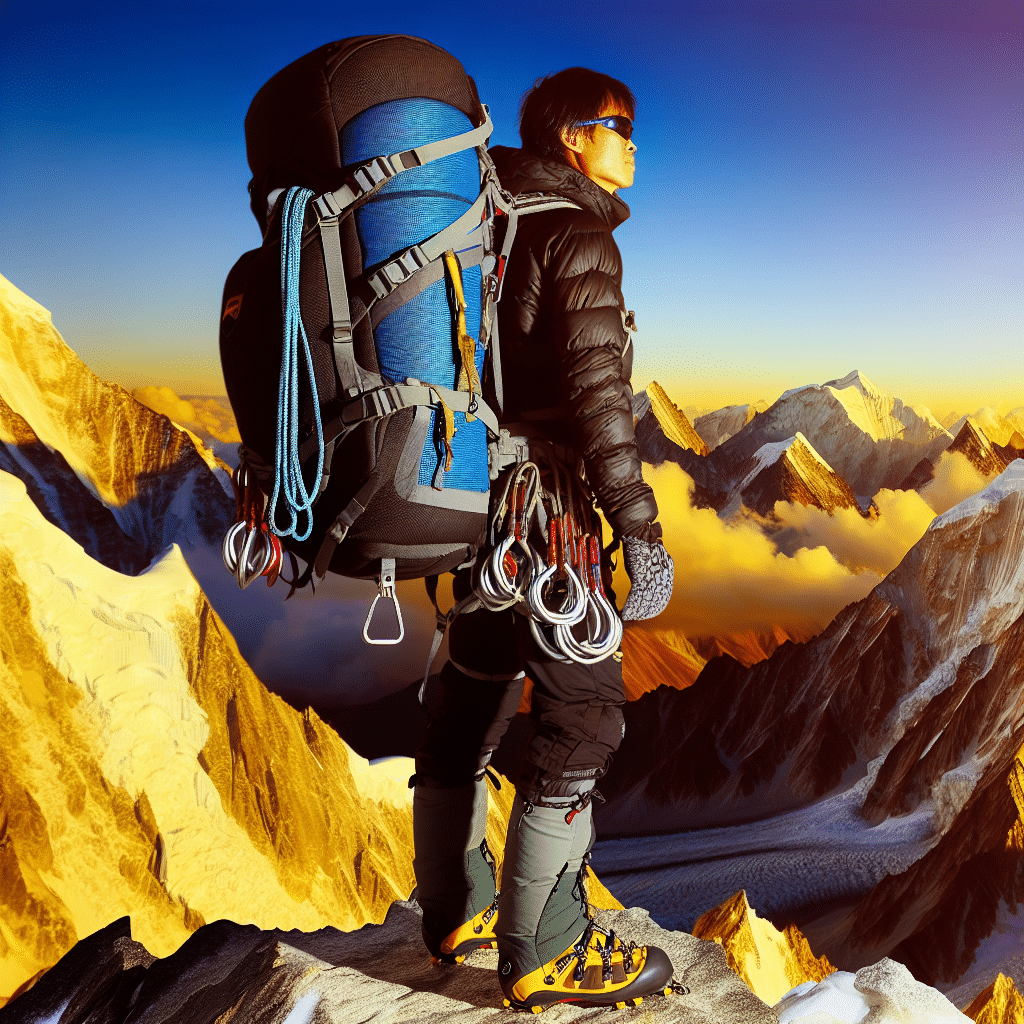
Climbing packs are designed with specific external attachment points for essential tools. Look for dedicated ice axe loops, daisy chains for carabiners and extra gear, side compression straps for securing ropes or skis, and a helmet carry system. Convenient access points, like large front zippers or side panel access, can save valuable time and effort on the mountain.
Choosing Your Perfect Alpine Companion: A Step-by-Step Guide
Finding the perfect mountain climbing backpack is a personalized journey. Here’s how to ensure the pack you choose truly fits your needs.
The Critical Role of Fit and Adjustability
A pack’s fit is paramount. Your torso length determines the correct pack size (S, M, L). Ensure the hip belt sits directly over your iliac crest (hip bones) to bear most of the weight. Adjustable shoulder straps, load lifters (straps connecting the top of the shoulder straps to the top of the pack), and a sternum strap all work together to fine-tune the fit and stabilize the load. Always try on a pack *loaded with weight* before buying.
Optimized Weight Distribution
An internal frame provides structure and helps transfer weight efficiently to your hips. Some high-end packs feature adjustable suspension systems, allowing you to customize the frame to your body and further optimize weight distribution. Proper weight distribution prevents fatigue and maintains your center of gravity, critical for balance on challenging terrain.
Accessibility: Quick Gear Retrieval
Imagine needing a specific tool mid-climb. Top-loading packs are standard, but some offer front or side panel access, allowing you to get to items without unpacking everything. Consider additional pockets: hip belt pockets for snacks or a camera, large side pockets for water bottles, and a versatile top lid pocket for frequently accessed small items like maps, headlamps, or navigation tools.
Hydration System Compatibility
Staying hydrated is non-negotiable. Many modern climbing packs include an internal sleeve for a hydration bladder and dedicated exit ports for the drinking tube. This feature allows you to sip water easily without stopping or reaching for a water bottle, conserving energy and maintaining focus.
Pro Tips for Packing and Maintaining Your Climbing Backpack
Even the best backpack won’t perform optimally if not packed or cared for correctly.
Strategic Packing for Efficiency and Balance
Bottom: Lighter, bulky items (sleeping bag, extra clothes) that aren’t needed until camp.
Middle/Core: Heaviest items (food, water reservoir, rack) close to your back, centered between your shoulder blades, for optimal balance.
External: Secure ice axes, ropes, or helmets tightly to prevent snagging or shifting.
Extending Your Pack’s Lifespan
Clean Regularly: Brush off dirt and spot clean with mild soap and water. Ensure it’s fully dry before storage to prevent mold.
Inspect for Wear: Regularly check seams, zippers, buckles, and fabric for damage. Repair small issues promptly to prevent them from worsening.
Re-waterproof: Over time, DWR coatings wear off. Reapply a spray-on or wash-in DWR treatment to maintain water resistance.
Ready for the Summit? Your Ideal Mountain Climbing Backpack Awaits.
The journey of mountain climbing is inherently challenging, yet incredibly rewarding. Equipping yourself with the right gear, starting with a high-quality mountain climbing backpack, transforms potential hardships into manageable adventures. By carefully considering capacity, durability, fit, and specialized features, you’re not just buying a bag; you’re investing in comfort, efficiency, and safety for every step of your ascent.
Choose wisely, pack smart, and embrace the unparalleled thrill of the mountains. Happy climbing!