Conquering towering peaks and exploring vast alpine landscapes – mountaineering offers an unparalleled thrill, pushing adventurers to their physical and mental limits. But amidst the breathtaking vistas and personal triumphs lies a profound truth: safety and success hinge entirely on the gear you choose. Ignoring the right tools isn’t just risky; it’s an invitation to disaster in an environment that shows no mercy.
Whether you’re a seasoned climber aiming for a technical ascent or an aspiring mountaineer preparing for your first high-altitude trek, understanding and acquiring the essential mountaineering tools is non-negotiable. From the robust boots gripping icy slopes to the precise GPS guiding your path, every item in your pack plays a critical role in transforming a perilous journey into a rewarding adventure.
Why Essential Mountaineering Gear Is Non-Negotiable
Mountaineering environments are notoriously unpredictable. Sudden weather shifts, hidden crevasses, sheer ice walls, and unstable rockfalls are just a few of the challenges you might face. The right mountaineering tools aren’t luxuries; they are fundamental for mitigating risks, enhancing your performance, and ensuring your survival.
Inadequate or faulty gear can lead to severe consequences, ranging from minor injuries and discomfort to life-threatening situations like frostbite, hypothermia, or fatal falls. Proper equipment instills confidence, allows for efficient movement, and provides the critical safety margins needed to navigate treacherous terrain effectively.
Your Comprehensive Guide to Essential Mountaineering Tools
Before you even consider setting foot on a mountain, a thorough understanding of essential gear categories is paramount. Here’s a detailed breakdown of the critical tools that will prepare you for any high-altitude challenge.
Personal Climbing Safety & Support
These items form the bedrock of personal safety for any climb, providing crucial connection points and protection.
Ropes & Carabiners
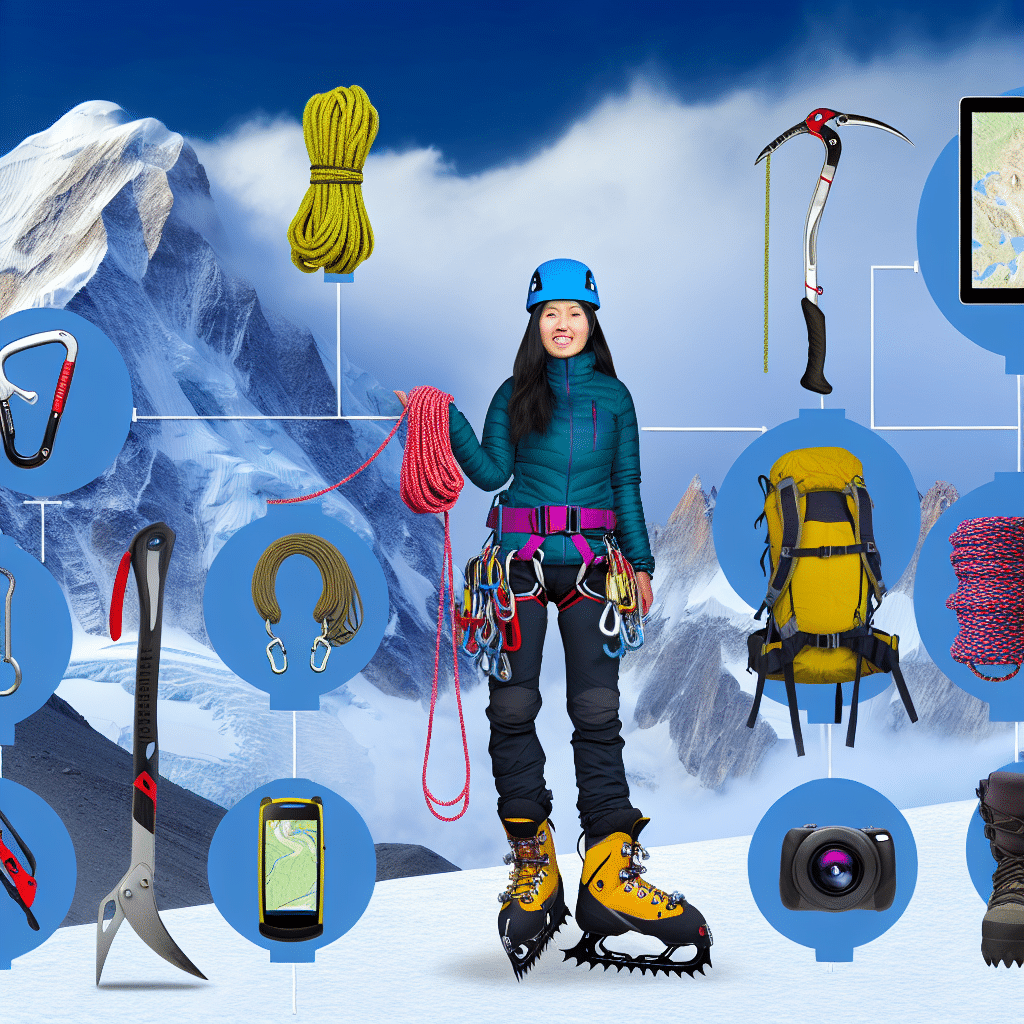
Ropes are the lifelines of mountaineering, essential for ascending, rappelling, and securing yourself. Dynamic ropes are favored for lead climbing due to their stretch, which absorbs fall impact. Carabiners, particularly locking models, are indispensable connectors for your harness, anchors, and other climbing gear, ensuring secure attachment.
Climbing Harness
A well-fitting harness comfortably wraps around your waist and legs, serving as your primary attachment point for ropes and other protection. Look for designs with ample padding for extended wear and multiple gear loops to keep your tools organized and accessible.
Helmet
Protecting your head from falling rock, ice, or an unexpected slip is paramount. A lightweight yet robust climbing helmet, often featuring ventilation, is a critical piece of safety equipment you should never leave behind. Ensure it fits snugly without obstructing vision.
Footwear & Traction for Icy Terrain
Your feet are your foundation on the mountain, and specialized footwear is designed to handle the unique demands of alpine environments.
Mountaineering Boots
More than just sturdy shoes, mountaineering boots offer superior support, warmth, and durability. Their stiff soles are specifically designed to be compatible with crampons, providing a stable platform for traversing snow and ice while offering crucial ankle support on uneven terrain.
Crampons
When ice and compacted snow dominate the landscape, crampons become indispensable. These spiked attachments secure to your boots, delivering unparalleled grip and preventing dangerous slips. Different types exist, but versatile 12-point models are suitable for most alpine climbing activities.
Gaiters
Worn over your boots and lower pants, gaiters act as a protective barrier, preventing snow, ice, and debris from entering your footwear. They also provide an invaluable extra layer of insulation, keeping your feet warmer and drier in harsh conditions.
Navigation & Route Finding Essentials
Knowing where you are and where you’re going is crucial for safe and efficient travel in the mountains.
Compass & Topographic Map
While technology offers convenience, a traditional compass and a detailed topographic map are your most reliable navigation tools. They operate without batteries and are unaffected by signal loss, providing a fundamental backup when electronic devices fail. Mastering their use is an essential mountaineering skill.
GPS Device / Satellite Communicator
A handheld GPS device offers real-time location tracking, route planning, and vital elevation data. For extended trips, consider a device with satellite communication capabilities for emergency messaging. Always ensure it’s fully charged, and carry spare batteries or a portable power bank.
Altimeter
An altimeter precisely measures your altitude, offering critical insights into your progress, remaining climb, and potential weather changes indicated by barometric pressure fluctuations. Many GPS devices and smartwatches now integrate this feature.
Survival & Emergency Preparedness
Even with the best planning, unforeseen emergencies can arise. These items are designed to help you handle the unexpected.
Comprehensive First Aid Kit
Accidents are an unfortunate reality in the wilderness. A well-stocked first aid kit, tailored to the specific risks of your trip, is non-negotiable. It should include bandages, antiseptics, pain relievers, blister treatment, and any personal medications. Crucially, know how to use everything in it.
Multi-Tool or Knife
A robust multi-tool can address a myriad of issues, from minor gear repairs and cutting cordage to preparing food. Choose one that includes essential functions like knives, pliers, and screwdrivers, designed to withstand rugged outdoor use.
Emergency Shelter
An ultralight emergency bivvy sack, space blanket, or a lightweight tarp can be a lifesaver if you’re unexpectedly caught out overnight or in severe weather. These compact shelters provide crucial protection from the elements, reducing the risk of hypothermia.
Headlamp / Illumination
Essential for navigating in the dark, whether it’s an early start, a late finish, or an unexpected overnight. Always carry a headlamp with fresh batteries and a spare set, or a power bank.
Layered Clothing System for Alpine Environments
The key to staying comfortable and safe in fluctuating mountain conditions is a versatile layering system.
Base Layers
Worn directly against the skin, base layers are designed to wick moisture away, keeping you dry and regulating body temperature. Opt for high-performance materials like merino wool or synthetic fabrics known for their excellent moisture management.
Insulating Mid-Layers
These layers provide warmth by trapping body heat. Fleece jackets, lightweight down sweaters, or synthetic insulated vests are excellent choices, offering warmth-to-weight efficiency and packability.
Outer Shell (Hardshell)
Your outer shell acts as the ultimate protective barrier, providing complete waterproof and windproof defense against the elements. Look for breathable options that allow internal moisture to escape, preventing clamminess and maintaining comfort.
Gloves & Mittens
Protecting your hands from cold, wind, and abrasions is critical. Carry multiple pairs of gloves or mittens for different conditions, including thin liner gloves, waterproof insulated gloves, and perhaps a heavy-duty pair for extreme cold.
Specialized Tools for Technical Ascents & Snow Travel
For more advanced or specific high-altitude objectives, certain specialized tools become indispensable.
Ice Axe
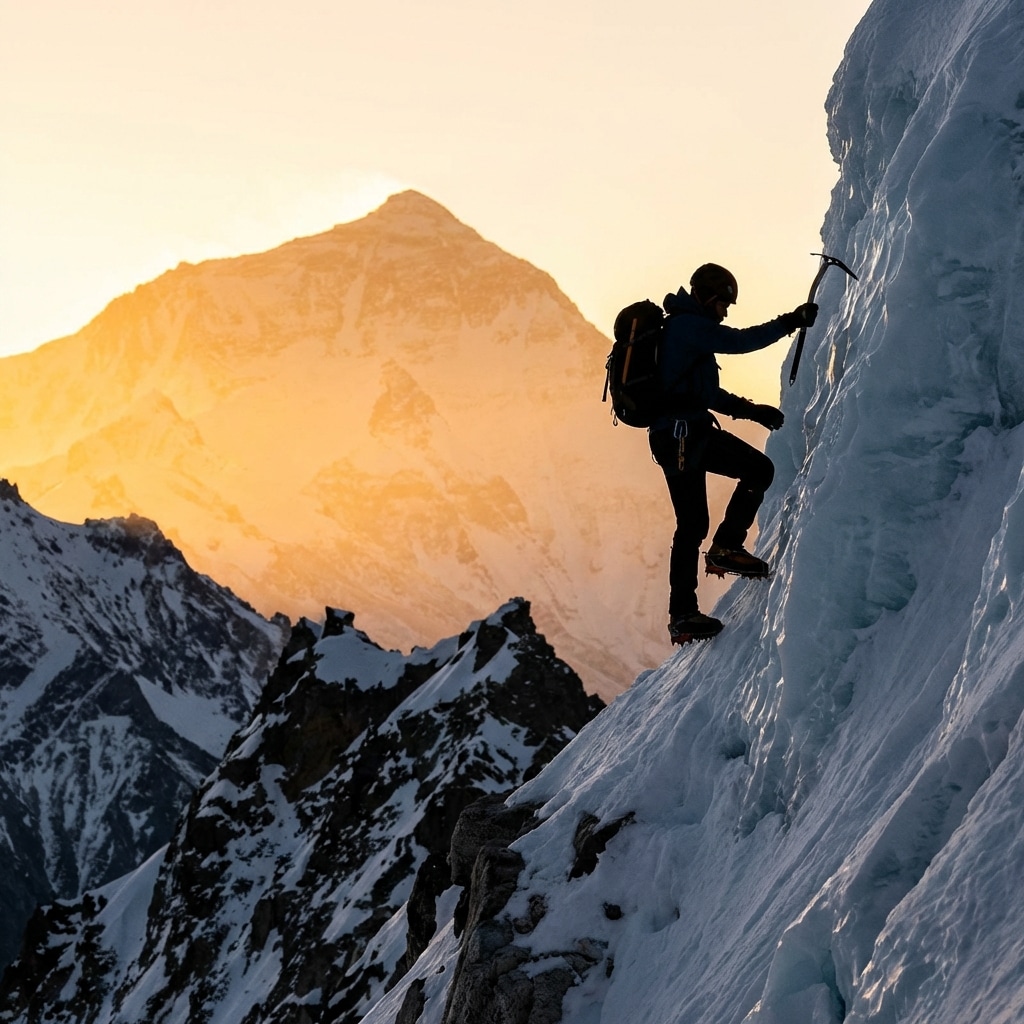
Far more than a climbing tool, the ice axe is fundamental for self-arrest in case of a fall on snow or ice. Its pick aids in climbing steeper sections, while the adze can be used for chopping steps or creating anchor points. Proper training in its use is paramount.
Avalanche Safety Gear (Beacon, Probe, Shovel)
If your adventure takes you into avalanche-prone terrain, a complete avalanche safety kit – comprising a beacon, probe, and shovel – is absolutely critical. These tools are useless without extensive training in their use and companion rescue techniques. Always check avalanche forecasts.
Ready to Conquer the Peaks? Your Gear Awaits!
Mountaineering is a deeply rewarding endeavor, offering unparalleled experiences in some of the world’s most spectacular and challenging environments. However, the grandeur of the mountains demands respect, and that respect begins with meticulous preparation and the right equipment.
The tools outlined in this guide are more than just items in a backpack; they are your partners in safety, efficiency, and success. Invest wisely, learn their proper use, and commit to continuous skill development. With the right essential mountaineering tools and knowledge, you’ll be well-equipped to reach new heights and embark on unforgettable high-altitude adventures with confidence.