Unearthing Florida’s Fungal Treasures: Your Ultimate Guide to Mushroom Hunting
Imagine a thrilling treasure hunt, not for gold, but for nature’s hidden gems nestled within serene landscapes. Mushroom hunting, or foraging, offers just this—a unique blend of outdoor adventure and the quiet satisfaction of discovery. Florida, with its rich subtropical climate and diverse ecosystems, stands out as a prime destination for mycological exploration.
From ancient pine flatwoods to mysterious cypress swamps, the Sunshine State teems with an astonishing variety of fungi. This comprehensive guide will equip you with essential knowledge and practical tips, inviting you to embark on your own rewarding mushroom hunting adventure across Florida’s vibrant natural world.
Why Florida is a Forager’s Paradise
Florida’s unique environmental conditions create an ideal habitat for an immense range of mushroom species. The state’s warm, humid summers and mild winters provide near year-round perfect conditions for fungal proliferation. This consistent moisture and warmth allow fungi to thrive when other regions might see seasonal slowdowns.
A Climate Built for Fungi
The subtropical climate is a major factor in Florida’s fungal bounty. Constant humidity and abundant rainfall, especially during the summer and fall, nourish countless species. These conditions transform forests and wetlands into fertile grounds, ripe for mycological discoveries.
Ecosystems Bursting with Biodiversity
Florida boasts an impressive array of ecosystems, each supporting distinct fungal communities. Pine flatwoods house various mycorrhizal fungi that form vital symbiotic relationships with trees. Hardwood hammocks, wetlands, and coastal dunes also offer unique niches for different mushroom species.
Swampy marshes, for instance, are perfect breeding grounds for decomposer mushrooms like oyster mushrooms and various polypores. This ecological diversity means that a keen-eyed forager can find a surprising variety of fungi within a relatively small area.
The Crucial Role of Florida Fungi
Mushrooms are not just a curiosity; they are ecological linchpins in Florida’s natural systems. As primary decomposers, they diligently break down dead organic matter, enriching the soil with nutrients essential for new plant growth. This process is fundamental to the health and vitality of all ecosystems.
Many fungi also form symbiotic relationships with plants, particularly tree roots, enhancing their ability to absorb water and nutrients. Understanding these ecological roles deepens the foraging experience and fosters a profound appreciation for the natural world.
Embarking on Your Mycological Journey: Getting Started
Mushroom hunting in Florida requires more than just enthusiasm; it demands knowledge, patience, and a sharp eye. Properly preparing before you head out is crucial for a safe and successful foraging experience.
Gearing Up for the Hunt
Having the right tools makes all the difference when venturing into Florida’s wild spaces. These essentials will help you identify, collect, and protect both yourself and the fungi you encounter.
A Reliable Field Guide: Invest in a comprehensive mushroom field guide specific to Florida or the southeastern United States. It should include detailed images, descriptions, and habitat information for accurate identification.
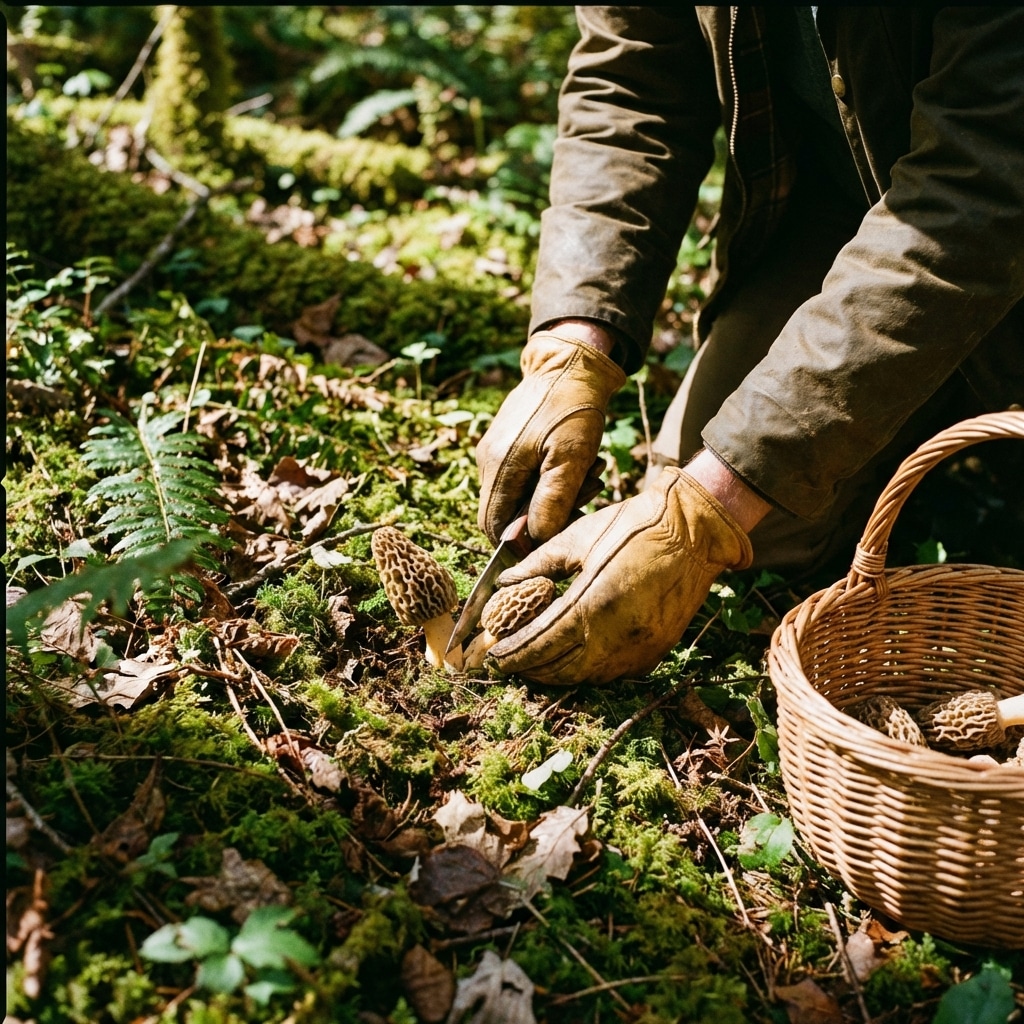
A Breathable Collection Basket or Mesh Bag: These are vital for allowing your collected mushrooms to breathe and for dispersing spores as you walk. This sustainable practice helps ensure future fungal growth.
A Sharp Knife: Use a small, sharp knife to carefully cut mushrooms at the base of the stem. This technique minimizes damage to the underlying mycelial network, which is essential for the mushroom’s regrowth.
Notebook and Pen: Documenting your finds with notes on location, habitat, and distinct features can be incredibly helpful for later identification and learning. This record-keeping also sharpens your observational skills.
Insect Repellent and First-Aid Kit: Florida’s outdoors can be buggy, especially in moist areas. Be prepared for minor scrapes or bites to ensure a comfortable and safe outing.
Mastering the Art of Identification
Accurate mushroom identification is paramount, as some species are deadly toxic. Never, under any circumstances, consume a mushroom you cannot identify with 100% certainty.
Join a Mycological Society: Organizations like the Florida Mycological Society are invaluable resources. They often host forays, workshops, and identification sessions led by experienced experts.
Attend Guided Forays: Participating in walks led by seasoned foragers or mycologists is perhaps the best way to learn local fungi. They can teach you safe foraging practices and subtle identification cues.
Utilize Online Resources & Apps: Reputable websites, forums, and mushroom identification apps can aid in cross-referencing and confirming your findings. However, always double-check with multiple sources, preferably with a human expert.
Learn Spore Prints: This crucial identification technique involves collecting the spores of a mushroom to determine their color, which is a key characteristic for classification. Mastering this skill adds a vital layer of certainty to your identification process.
Prime Locations: Where to Find Mushrooms in the Sunshine State
Florida’s vast and varied landscapes offer numerous opportunities for mushroom hunting. Knowing where to look will significantly increase your chances of a fruitful foraging trip.
Exploring Public Lands & State Parks
Many of Florida’s national and state parks provide excellent habitats for diverse fungal species. Always check specific park regulations regarding foraging, as permits may be required or collection may be prohibited in certain areas.
Ocala National Forest: This expansive forest boasts diverse habitats, including pine flatwoods and hardwood hammocks. It’s an ideal spot for finding a wide variety of mushrooms, from boletes to chanterelles.
Big Cypress National Preserve: Known for its extensive wetland ecosystems, this preserve is a haven for moisture-loving fungi. Look for species that thrive in damp, shaded environments, particularly after heavy rains.
Myakka River State Park: Offering a mosaic of ecosystems, from prairies to wetlands, Myakka is a fantastic location for encountering diverse fungal species. Its old-growth forests are particularly productive.
Hillsborough River State Park: The park’s varied habitats along the river support a broad range of mushrooms. Here, you might find anything from edible oyster mushrooms to less common polypores.
Local Trails & Hidden Gems
Beyond the well-known parks, many local nature trails, preserves, and even your own backyard (with caution) can yield interesting finds. Always ensure you have permission before foraging on private land and respect any “no foraging” signs on public property. Researching local regulations is key to responsible exploration.
Florida’s Fungal Diversity: A Glimpse into What You’ll Discover
The Sunshine State’s ecosystems support a fascinating array of fungi, some delicious, some medicinal, and some dangerously toxic. Learning to distinguish between them is crucial.
Delicious Edibles to Seek
Oyster Mushrooms (Pleurotus ostreatus): These versatile culinary delights commonly grow in shelving clusters on dead or dying hardwood trees. Look for them in moist, shaded environments, particularly after rain.
Golden Chanterelles (Cantharellus cibarius): Prized for their peppery, fruity flavor, golden chanterelles are often found growing on the ground in association with oak trees. They typically appear after summer rains and are a true culinary treasure.
Lion’s Mane (Hericium erinaceus): This unique-looking mushroom, resembling a cascade of icicles, grows on dead or dying hardwood trees. It’s celebrated for its delicate, seafood-like flavor and potential health benefits.
Medicinal Marvels & Dangerous Lookalikes
Reishi (Ganoderma lucidum): Known as the “Mushroom of Immortality” in traditional medicine, Reishi mushrooms grow on decaying hardwoods. While not typically eaten, they are harvested for their potent medicinal properties.
Amanita Species: This genus includes some of the most beautiful—and deadly—mushrooms in the world, such as the Destroying Angel (Amanita bisporigera). While some Amanitas are psychoactive, extreme caution and expert knowledge are absolutely required, as misidentification can be fatal. Foraging for psychoactive species may also carry legal risks.
Green-Spored Parasol (Chlorophyllum molybdites): Often mistaken for edible parasol mushrooms, this common Florida species is highly toxic, causing severe gastrointestinal distress. It’s a stark reminder of the importance of precise identification.
Foraging Responsibly: Safety and Ethical Practices
Responsible mushroom hunting prioritizes both personal safety and environmental stewardship. Adhering to these guidelines ensures a sustainable and respectful relationship with nature.
Prioritizing Your Safety
Never Consume Unknown Mushrooms: This is the golden rule of foraging. If there’s even a sliver of doubt about a mushroom’s identity, do not eat it. Many toxic varieties closely mimic edible ones.
Cook All Wild Mushrooms Thoroughly: Even edible species can cause mild indigestion if consumed raw or undercooked. Always research proper preparation methods for each species.
Consult Experts: When in doubt, seek advice from experienced foragers or certified mycologists. Their knowledge can be life-saving. Remember the adage: “When in doubt, throw it out.”
Be Aware of Your Surroundings: Florida’s wilderness can be home to venomous snakes, alligators, and other wildlife. Stay vigilant and know how to react if you encounter them.
Respecting Nature’s Balance
Leave No Trace: Stick to established trails, avoid disturbing natural habitats, and carry out everything you bring in. Leave the environment as pristine as you found it.
Harvest Sustainably: Only take what you need and leave plenty behind to ensure spore dispersal and the continuation of the fungal population. Avoid over-harvesting from a single patch.
Know the Rules: Always check and adhere to local, state, and national park regulations regarding foraging. Some areas may prohibit or limit collection.
Educate Yourself: The more you learn about local ecosystems and fungi, the more respectfully and effectively you can forage, becoming a true steward of Florida’s natural heritage.
Your Florida Mushroom Hunting Adventure Awaits!
Mushroom hunting in Florida is more than just a hobby; it’s an immersive experience that deepens your connection with nature and unlocks the secrets of the forest floor. With its unparalleled biodiversity and year-round growing conditions, Florida truly is a mycologist’s dream.
Armed with the right knowledge, tools, and a strong commitment to safety and ethics, you’re ready to explore. Venture out, discover culinary delights, and gain a profound appreciation for the vital role fungi play in our environment. Happy hunting, and may your basket be bountiful!