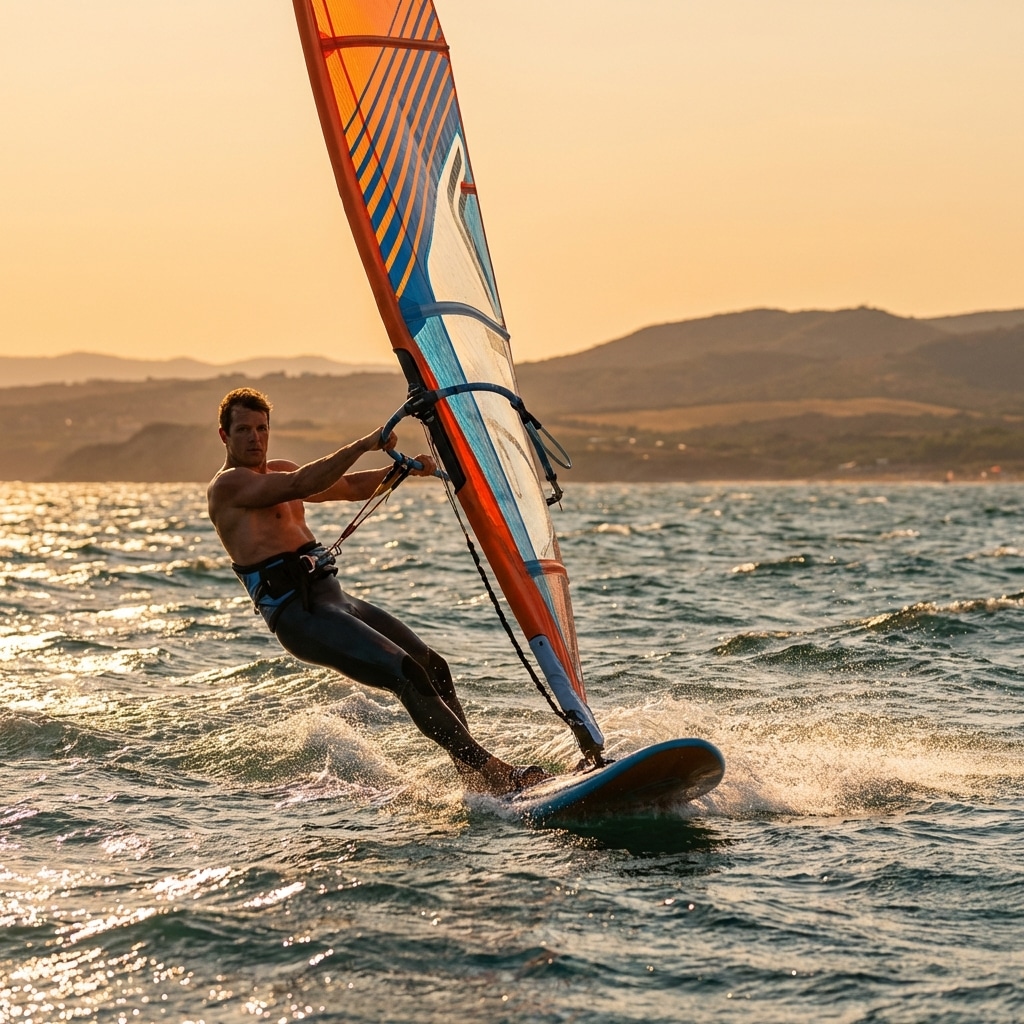
Many Olympic sports dazzle with raw power and speed, but few offer the intricate dance with nature quite like Olympic Sailing. For over a century, this captivating discipline has challenged athletes to master not just their craft, but the very elements themselves. It’s a blend of athleticism, technical skill, and strategic genius playing out on the open water.
Often overshadowed by more mainstream events, Olympic sailing (or yachting, as it’s sometimes called) boasts a unique charm. It’s an unforgettable spectacle where human ingenuity battles wind and waves, making it a truly fascinating cornerstone of the Olympic Games.
A Rich Legacy: When Did Olympic Sailing Begin?
Sailing first set its sights on the Olympic Games in 1896, though unforeseen logistical challenges postponed its actual debut. It wasn’t until the 1900 Paris Games that this exhilarating water sport officially joined the Olympic family.
Since that historic moment, Olympic sailing has been a continuous feature, missing only the 1904 Games. Over the decades, the sport has undergone significant transformations, particularly concerning the types of boats sailors compete in.
Evolution on the Water: From Giants to Dynamic Fleets
Early Olympic sailing competitions often featured grander vessels, requiring large crews. However, mirroring advancements and trends in the global sailing world, there’s been a clear shift towards smaller, more agile boat classes.
Today, Olympic sailing showcases a diverse range of vessels, from nimble dinghies to high-performance foiling boards. This constant evolution in boat classes and rules ensures the sport remains fresh, challenging, and representative of modern sailing disciplines.
The Art of Competition: What Defines Olympic Sailing?
Olympic sailing is far more than a simple speed race. It’s a profound test of tactical mastery, strategic thinking, and boat handling skills. Athletes must continually adapt to ever-changing wind conditions, making split-second decisions that can dramatically alter their position.
Success hinges on a sailor’s ability to expertly manage their boat, adjusting sails, navigating currents, and choosing the optimal route. This dynamic interplay with nature is what truly sets this fascinating sport apart.
Navigating the Course: How Does a Sailing Race Unfold?
A typical Olympic sailing race begins with boats jockeying for the most advantageous position at the starting line, a critical moment that can define the entire competition. Once the race begins, sailors navigate a predefined course marked by buoys.
These courses are meticulously designed to challenge sailors across various points of sail: upwind (beating), downwind (running), and across the wind (reaching). Every leg demands distinct techniques and strategic approaches, pushing sailors to their limits.
The Path to Gold: How Scoring Works in Olympic Sailing
Unlike many sports where higher scores win, Olympic sailing utilizes a “low point” scoring system. In this system, your finishing position directly correlates to the points you receive: first place earns one point, second place two points, and so on.
Over a series of races, each sailor or team accumulates points. The ultimate winner is the competitor who achieves the lowest total score after all races, often including a discard race where their worst score is removed. This system emphasizes consistent performance.
Beyond Individual Skill: Teamwork and Strategy are Key
While individual prowess is paramount, Olympic sailing, especially in multi-handed boat classes, thrives on exceptional teamwork. Teams of two or three sailors each have specialized roles, demanding seamless coordination, precise communication, and unwavering trust.
Strategy is equally crucial. Sailors must constantly analyze wind shifts, predict currents, and chart the most efficient route around the course. This often involves intense tactical battles with rival boats, requiring quick thinking and decisive action in a dynamic, confined space.
Why Olympic Sailing is a Must-Watch Spectacle
The allure of Olympic sailing lies not just in its demanding competition but also in its breathtaking visual appeal. Races unfold against stunning coastal backdrops, with vibrant spinnaker sails creating a kaleidoscope of color against the deep blue sea and sky.
The unpredictability of the elements, the brilliant maneuvers, and the sheer human drama of athletes battling nature coalesce into an unforgettable sporting event. It’s a captivating ballet on water, showcasing grace, power, and strategic genius in equal measure.
Conclusion: Embrace the Unpredictable Beauty of Olympic Sailing
Olympic sailing stands as a powerful testament to human endeavor, resilience, and adaptability against the natural world. It perfectly embodies the Olympic spirit, celebrating excellence, teamwork, and the profound joy of participating in a truly unique challenge.
So, the next time the Olympic Games captivate the world, take a moment to venture beyond the track and pool. Immerse yourself in the thrilling world of Olympic sailing. You might just discover a new passion and witness some of the most compelling athletic performances the Games have to offer.