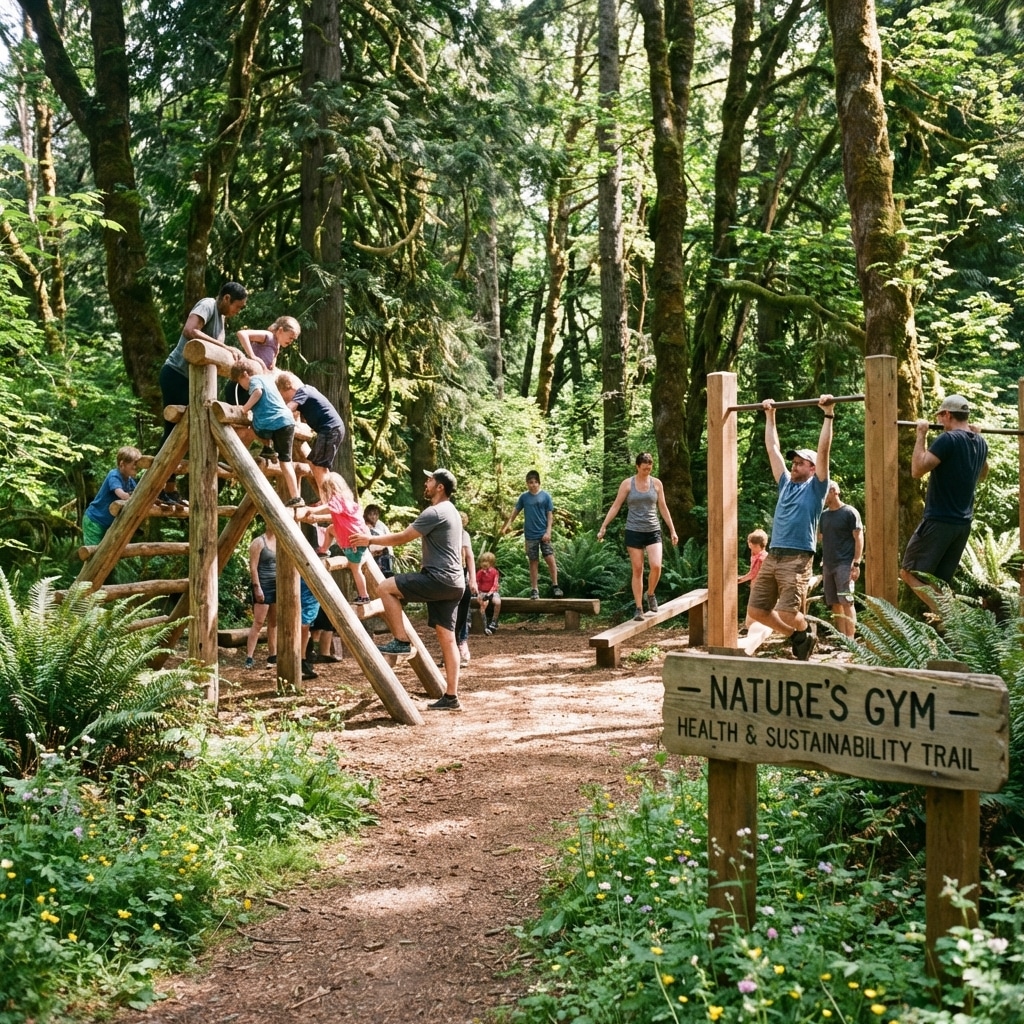
In today’s fast-paced world, staying fit often feels like another item on an endless to-do list. The thought of a crowded, sterile gym can be demotivating, making consistent exercise a challenge. But what if you could fuse the revitalizing power of nature with an effective workout, breaking free from the monotony and cost of traditional fitness centers? Enter the outdoor fitness trail – an invigorating alternative that’s rapidly transforming how we approach health and wellness.
Imagine a workout where fresh air invigorates your lungs, natural sounds soothe your mind, and every step brings you closer to both physical strength and mental clarity. An outdoor fitness trail offers exactly that: a dynamic, engaging, and often free way to achieve your fitness goals. Let’s explore the incredible benefits and innovative features of these increasingly popular community assets.
What Exactly is an Outdoor Fitness Trail?
An outdoor fitness trail, also known as a fitness park or exercise trail, is a specially designed route integrated into a natural environment. These trails are commonly found in local parks, sprawling forests, and vibrant urban green spaces. As you navigate the path, you’ll discover various exercise stations strategically placed to target different muscle groups.
Each station provides specific equipment or guides for bodyweight exercises, ensuring a comprehensive full-body workout. The blend of walking, jogging, or cycling between stations with focused strength and flexibility exercises creates a unique and holistic fitness experience that engages both body and mind.
A Stroll Through History: Origins of the Fitness Trail
The concept of fitness trails emerged in the 1960s, primarily in Switzerland, where they were known as “parcours” or “parcourses.” The core idea was simple yet revolutionary: to encourage physical activity by integrating exercise stations into beautiful, serene natural landscapes. This innovative approach quickly spread globally, recognizing the profound positive impact of combining exercise with immersion in nature.
Why Choose an Outdoor Fitness Trail Over a Traditional Gym?
For many, the gym environment can feel repetitive, intimidating, or simply uninspiring. Outdoor fitness trails offer a compelling alternative that addresses many common gym drawbacks, providing a refreshing and effective path to wellness.
1. Reconnect with Nature, Boost Your Mood
Unlike the artificial confines of a gym, exercising outdoors immerses you in natural surroundings. Fresh air, lush greenery, and the soothing sounds of birdsong can significantly enhance your mental well-being. Studies show that ‘green exercise’ reduces stress, improves mood, and can even boost self-esteem more effectively than indoor workouts.
2. Unrivaled Versatility and Workout Variety
Outdoor fitness trails boast a diverse array of stations, offering a full spectrum of exercises in one convenient location. You’ll find everything from push-up bars, balance beams, and monkey bars to sit-up benches and stretching posts. This variety ensures a comprehensive workout that targets every major muscle group, keeping your routine fresh and exciting.
3. Fitness Without the Financial Burden
One of the most significant advantages of outdoor fitness trails is their accessibility and cost-effectiveness. They are typically public amenities, meaning they are completely free to use. This makes them an ideal solution for anyone looking to stay fit and healthy without the recurring expense of costly gym memberships.
4. Foster Community and Social Connection
Fitness trails often serve as vibrant community hubs, bringing people of all ages and fitness levels together. This shared space encourages social interaction and can foster a strong sense of community belonging. Exercising alongside others can also provide invaluable motivation and accountability, helping you stay committed to your fitness journey.
Key Elements of an Optimal Outdoor Fitness Trail Design
A truly effective and enjoyable outdoor fitness trail doesn’t happen by accident. It’s the result of thoughtful planning and design that prioritizes user experience, safety, and longevity.
1. Inclusive Accessibility for All
An expertly designed fitness trail should be welcoming and navigable for everyone, regardless of age or physical ability. This means incorporating stations with varying difficulty levels and ensuring pathways are accessible for individuals with disabilities, promoting universal participation.
2. Robust Durability and Weather Resistance
Given their outdoor exposure, equipment used on fitness trails must be exceptionally durable and weather-resistant. High-quality materials like treated wood, corrosion-resistant metals, and robust plastics are essential. These materials ensure the equipment can withstand diverse environmental conditions and frequent use, guaranteeing longevity.
3. Uncompromising Safety Standards
User safety is paramount in fitness trail design. Clear, easy-to-understand signage with instructions for each station is crucial. Regular maintenance checks are vital to ensure all equipment remains in top condition, and soft surfacing, such as rubber or wood mulch, should be installed under equipment to minimize injury risks from falls.
4. Harmonious Scenic Location
The appeal of an outdoor fitness trail is significantly amplified by its location. Placing trails in visually appealing areas, surrounded by natural beauty, enhances the entire workout experience. A scenic backdrop not only makes exercise more enjoyable but actively encourages people to spend more time outdoors, fostering a healthier, more active lifestyle.
Maximizing Your Outdoor Fitness Trail Routine
Ready to make the most of your outdoor fitness journey? A little planning can go a long way in ensuring an effective and enjoyable workout experience on the trail.
Familiarize Yourself with the Layout: Before you start, review a map or walk the trail to understand the location of different stations. This allows you to plan a route that aligns with your fitness goals and maximizes your workout efficiency.
Seamlessly Blend Cardio and Strength: Outdoor fitness trails are perfect for integrated workouts. Jog or briskly walk between stations to elevate your heart rate, then utilize the equipment for targeted strength training. This combination provides a powerful cardiovascular and muscular workout.
Prioritize Hydration: Exercising outdoors, especially in warmer weather, can lead to increased sweat loss. Always carry a water bottle and take frequent sips throughout your workout to stay properly hydrated and maintain energy levels.
Dress for Success: Choose comfortable, flexible, and weather-appropriate clothing. Sturdy athletic shoes are essential to provide support and grip, ensuring you can move safely and confidently across varying terrain and on different equipment.
Embrace the Outdoor Fitness Trail: Your Path to a Healthier You
An outdoor fitness trail offers a truly unique and refreshing approach to staying active and healthy. It brilliantly merges the proven advantages of nature immersion with a comprehensive, customizable workout program. Whether you’re seeking an escape from the gym’s confines, looking for a budget-friendly fitness solution, or simply eager to try something new, these trails provide the perfect answer.
So, tie up your sneakers, find your nearest outdoor fitness trail, and embark on a journey towards a more vibrant, energized, and happier you. The great outdoors awaits to transform your fitness routine!