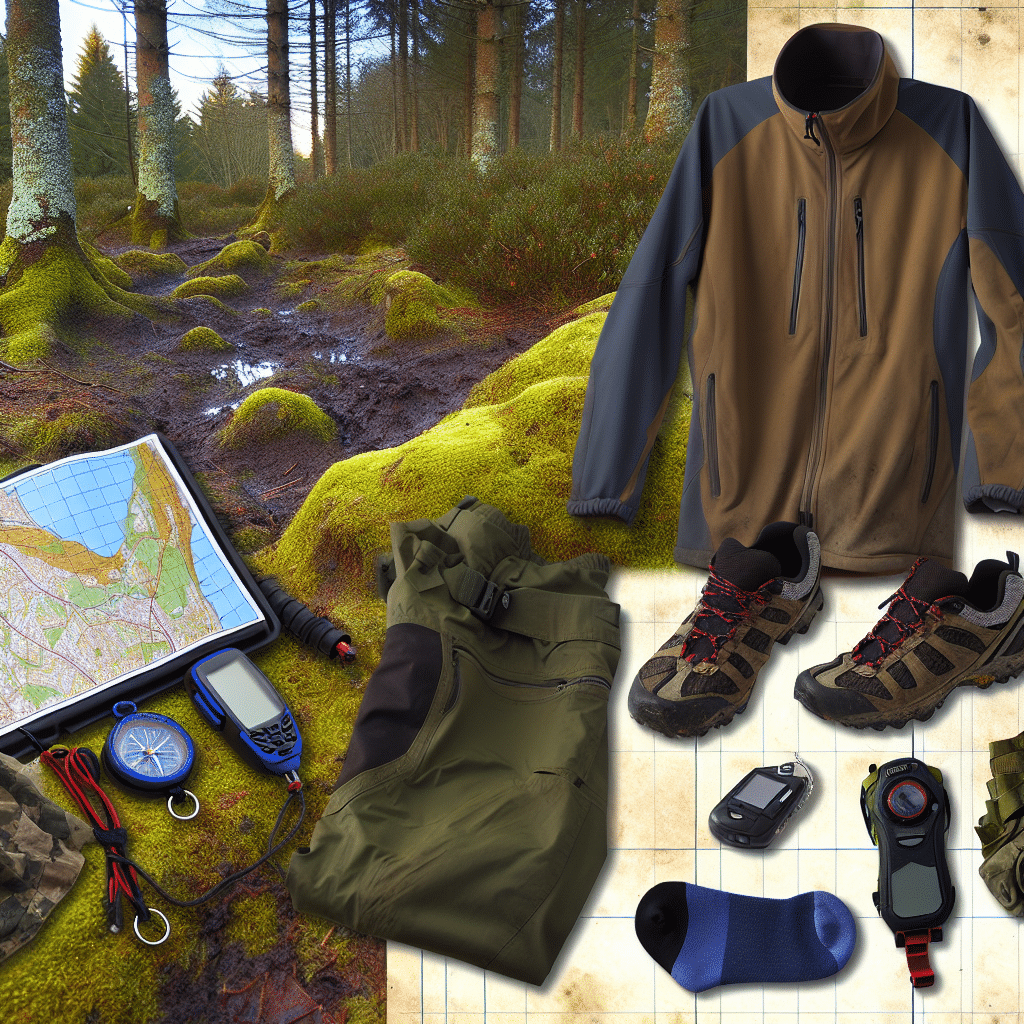
Orienteering is more than just a walk in the woods; it’s an exhilarating mental and physical challenge that blends navigation, trail running, and strategic thinking. Picture yourself immersed in nature, deciphering complex maps, and swiftly moving through diverse terrains to find hidden checkpoints. To truly unlock the thrill of this adventure, however, you need the right tools in your arsenal.
Whether you’re a beginner taking your first steps into competitive navigation or a seasoned veteran tackling advanced courses, having reliable orienteering equipment is paramount. It’s the difference between a frustrating, unsafe experience and a rewarding, high-performance journey. Let’s explore the essential gear that will transform your outdoor challenge into a triumphant exploration.
Master Your Terrain: Why the Right Orienteering Gear is Non-Negotiable
Orienteering tests your endurance and your ability to make rapid decisions under pressure, often across challenging landscapes. From dense forests to rocky trails, every environment demands specific considerations. Proper equipment not only safeguards your well-being but also directly impacts your speed, efficiency, and overall enjoyment.
Choosing poorly can leave you exposed to the elements, increase your risk of injury, or lead to costly navigation errors. Investing in quality orienteering equipment ensures you’re prepared for anything the course—or nature—throws your way. It’s an investment in your safety and success.
Your Core Toolkit: Essential Equipment for Every Orienteer
Before you even consider stepping onto a course, ensure these fundamental pieces of orienteering gear are packed and ready. They form the backbone of any successful navigation adventure.
1. The Unbreakable Duo: Map and Compass
A detailed topographical map is the absolute cornerstone of orienteering. These specialized maps provide intricate details like contour lines, landforms, and control points, guiding your every move. To protect this vital document from rain, sweat, and wear, a durable, waterproof map case is indispensable.
Complementing your map is a reliable compass. While various types exist, a baseplate compass with a rotating bezel is widely recommended for its precision and ease of use. Mastering the art of using your compass in conjunction with your map is perhaps the most critical skill for any orienteer.
2. Footwear That Fights Back: Orienteering Shoes
Orienteering shoes are specifically designed to conquer rugged, often slippery, and uneven terrain. Look for features like aggressive grip patterns, water resistance, and robust ankle support to protect against twists and scrapes. Many orienteers also opt for specialized trail running shoes that offer similar benefits with enhanced comfort.
These shoes provide the traction and stability needed to navigate mud, rocks, and steep inclines safely and efficiently. Proper footwear reduces fatigue and minimizes the risk of falls, allowing you to focus purely on your navigation.
3. Smart Layers: Performance Apparel
Your clothing choice directly impacts comfort and performance. Opt for moisture-wicking, quick-dry fabrics that move sweat away from your body, keeping you dry and preventing chafing. Avoid cotton, which retains moisture and can chill you.
Layering is crucial for adapting to unpredictable weather shifts. Start with a base layer, add an insulating mid-layer if needed, and always carry a lightweight, waterproof and windproof jacket. This system allows you to regulate your body temperature as conditions change, ensuring optimal comfort.
4. Fuel Your Journey: Hydration & Nutrition
Staying hydrated is paramount for maintaining energy and focus, especially on longer courses. Depending on the duration and intensity of your orienteering activity, choose between water bottles, a hands-free hydration pack, or a combination. Ensure you have enough water to last your entire route.
For extended expeditions, pack easily digestible snacks like energy gels, fruit, or trail mix. These provide quick bursts of energy, helping you sustain your physical and mental stamina throughout the event.
Elevate Your Game: Advanced Gear for the Seasoned Orienteer
Once you’ve mastered the fundamentals and are ready to tackle more demanding courses, certain advanced pieces of orienteering equipment can significantly boost your performance and safety.
1. Beyond the Map: GPS and Navigation Aids
While traditional orienteering emphasizes map and compass skills, a GPS device can serve as an invaluable backup, especially for safety or in remote areas. Choose a model known for its reliable battery life and rugged durability. Some advanced orienteering watches also offer GPS tracking and navigation features, providing real-time data on your progress.
2. Trail Toughness: Gaiters for Protection
Gaiters are a game-changer for protecting your lower legs from thorns, brush, rocks, and mud. They create a barrier, keeping debris out of your shoes and preventing scratches and scrapes. Opt for durable, water-resistant gaiters that are easy to put on and take off quickly.
3. When the Unexpected Happens: The Essential Emergency Kit
Safety is always the top priority. A compact emergency kit should be a permanent fixture in your orienteering pack. Include essentials like a loud whistle, basic first-aid supplies (bandages, antiseptic wipes), a thermal blanket for warmth, and a multi-tool for minor repairs.
4. Light Up Your Path: Headlamp or Flashlight
Even if you plan to finish well before dusk, unexpected delays can occur. A reliable headlamp or flashlight is crucial for safe navigation should you find yourself out after dark. Choose a model with adjustable brightness settings and a long-lasting battery.
Beyond the Gear: Sharpening Your Orienteering Skills
Equipping yourself properly is only half the battle. True orienteering success also hinges on continuous skill development, physical preparedness, and a strong mental game.
1. Master the Mind and Body: Training & Physical Readiness
Regular physical training is crucial for building the endurance, speed, and agility needed to traverse challenging terrain. Focus on trail running, strength training, and exercises that improve balance and coordination. Join local orienteering clubs to participate in training sessions that simulate race conditions and enhance your fitness specific to the sport.
2. The Mental Edge: Focus and Decision-Making
Orienteering demands sharp mental acuity and the ability to make quick, logical decisions under pressure. Practice reading maps swiftly, interpreting contour lines, and choosing optimal routes. Techniques like meditation or visualization can help improve focus, reduce anxiety, and sharpen your problem-solving skills on the course.
3. Continuous Learning: Clubs and Practice
The best way to hone your skills is through consistent practice and learning from experienced orienteers. Engage with local clubs, participate in regular events, and seek out workshops. Every course presents new challenges and learning opportunities, helping you adapt and refine your navigation strategies.
Conclusion: Gear Up for Your Next Great Adventure
Orienteering is a uniquely rewarding outdoor activity that pushes both your body and mind. Equipping yourself with the right gear—from indispensable maps and compasses to specialized footwear and emergency kits—is fundamental for safety, comfort, and peak performance.
But remember, the equipment is just a tool. Combine your carefully chosen gear with dedicated skill development and unwavering mental preparation, and you’ll be ready for any challenge the wilderness presents. So, prepare wisely, practice diligently, and embark on your next thrilling orienteering adventure with confidence!