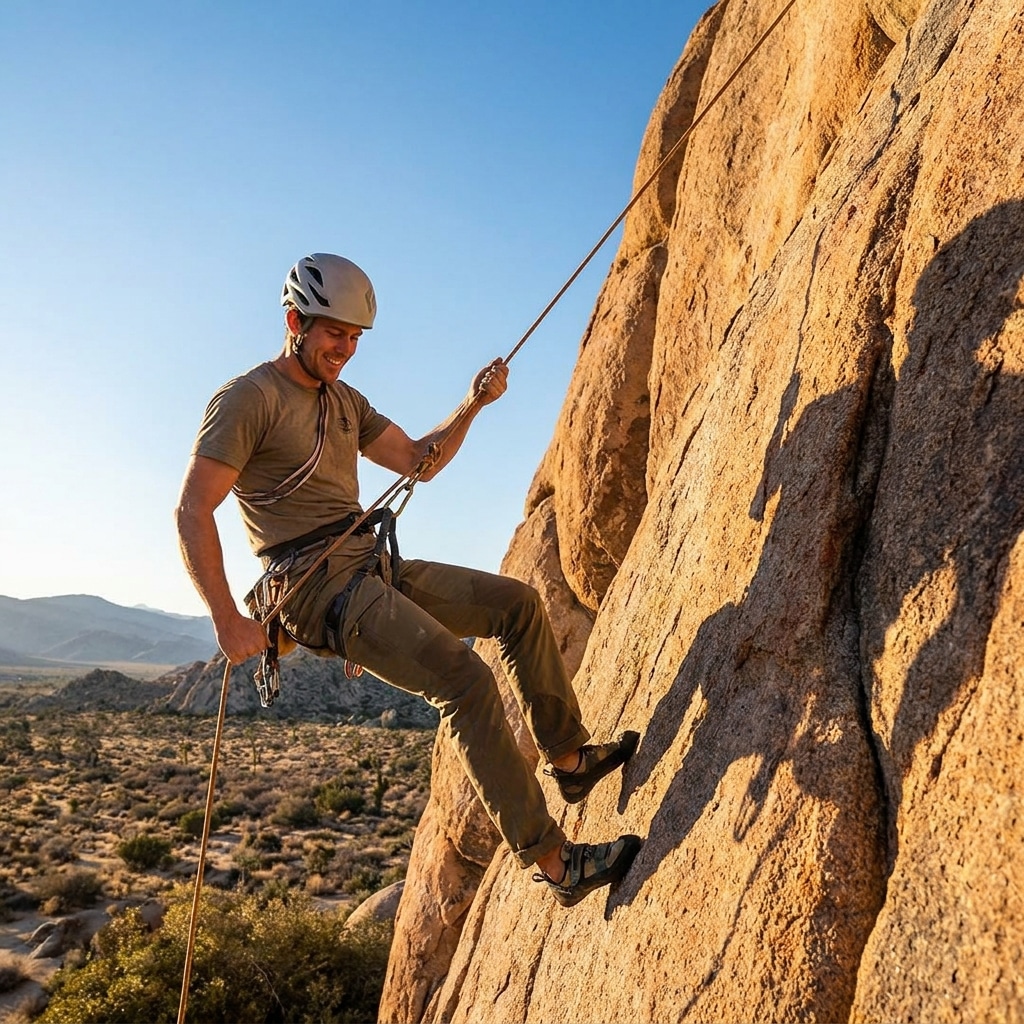
Tired of the same old indoor gym routine? Imagine feeling the sun on your skin, breathing in fresh air, and connecting with nature, all while crushing your fitness goals. Creating an outdoor gym is more than just a trend; it’s an investment in your well-being, offering unparalleled flexibility and a refreshing change of pace from traditional workouts. It’s an exciting way to get fit and enjoy your surroundings simultaneously.
Whether you have a sprawling backyard or a compact patio, transforming an outdoor space into a functional fitness zone is entirely achievable. With the right planning and equipment, you can design a personalized workout haven that inspires motivation and delivers results. This guide will walk you through everything you need to know to build the ultimate outdoor gym, from initial design to essential safety measures.
Designing Your Dream Outdoor Gym: The Foundation
The first step to creating your ideal outdoor gym is thoughtful planning. Don’t rush into buying equipment; instead, visualize how you’ll use the space and what experience you want to create. This foundational stage is crucial for ensuring your gym is both effective and enjoyable.
Location, Location, Location
Consider factors like sun exposure, privacy, and accessibility. Do you prefer morning sun or afternoon shade? Is there enough clearance from trees or fences? Proximity to your home, a water source, or even an outdoor power outlet (for speakers or lighting) can significantly enhance convenience.
Space & Layout Planning
The size of your outdoor area will influence the types of equipment you can accommodate. For smaller spaces, focus on multi-functional items and vertical storage. Larger areas allow for dedicated zones – perhaps a strength training corner, a cardio circuit, and a stretching oasis. Plan for ample space around equipment to ensure safe movement during exercises.
Surface Selection
The ground beneath your gym is vital for safety and comfort. Options include natural grass, gravel, concrete, or specialized outdoor rubber tiles. Each has pros and cons regarding shock absorption, drainage, and maintenance. Consider rubber mats under heavy equipment or high-impact areas for extra protection.
Budgeting & Phased Approach
An outdoor gym doesn’t have to break the bank. Start by identifying your core fitness needs and budget accordingly. You can always begin with essential, cost-effective items and expand your setup over time. DIY options for certain structures, like a pull-up bar frame, can also save money.
Essential Equipment for Your Outdoor Gym
Once your space is planned, it’s time to select equipment that supports your fitness goals. Focus on versatility and durability, opting for items designed to withstand outdoor elements.
Strength Training Essentials
Pull-Up Bar: A cornerstone for bodyweight strength. Options include wall-mounted, doorframe-mounted (if sturdy enough for outdoor use), or free-standing power towers.
Gymnastic Rings: Portable and highly effective for upper body and core strength, offering a wide range of exercises.
Resistance Bands: Lightweight, versatile, and excellent for warm-ups, strength training, and mobility work. Invest in a set with varying resistances.
Kettlebells & Dumbbells: Look for weather-resistant, coated options. They are fantastic for full-body strength, conditioning, and dynamic movements.
Sandbags: A functional and adaptable training tool that challenges stability and core strength.
Cardio & Agility Boosters
Jump Rope: The ultimate portable cardio tool, great for warm-ups and intense interval training.
Cones/Agility Ladder: Perfect for creating dynamic agility drills, improving footwork, and cardiovascular endurance.
Slam Ball: Excellent for explosive power, core engagement, and high-intensity cardio circuits.
Battle Ropes: If you have sufficient space, battle ropes offer a challenging full-body cardio and strength workout.
Functional & Recovery Tools
Medicine Ball: Versatile for throws, core work, and dynamic partner exercises.
Yoga Mat: Choose an outdoor-friendly, durable mat for stretching, yoga, and ground exercises.
Balance Board / BOSU Ball: Enhances balance, stability, and core strength, adding a unique challenge to many exercises.
Foam Roller: Essential for recovery, muscle release, and improving flexibility. Store it indoors to protect it from the elements.
Weather-Resistant & Storage Tips
Prioritize equipment made from galvanized, powder-coated steel or marine-grade materials to prevent rust. For items that aren’t weather-proof, invest in waterproof storage containers or a small outdoor shed. Covers can also extend the life of larger, semi-permanent fixtures.
Elevating Your Outdoor Workout Experience
An enjoyable outdoor gym keeps you motivated and excited to break a sweat. Think beyond just the equipment and consider elements that enhance the overall atmosphere.
Ambiance & Motivation
Music is a powerful motivator! Invest in a durable, waterproof Bluetooth speaker to set the mood. For evening workouts, solar-powered string lights or path lights can create an inviting and safe environment. Consider adding some potted plants or natural landscaping to integrate your gym seamlessly into its surroundings and boost visual appeal.
Comfort & Hydration
Ensure easy access to hydration with large water jugs or a cooler filled with refreshing drinks. A shaded area – whether from natural trees, a retractable awning, or a large umbrella – is crucial for hot days. Add a comfortable bench or even a hammock for post-workout stretching or relaxation. Towel hooks and a small caddy for essentials like sunscreen and bug spray are practical additions.
Safety First: Protecting Your Outdoor Gym & Yourself
Safety should always be paramount when working out, and your outdoor gym is no exception. A few simple precautions can prevent injuries and ensure the longevity of your equipment.
Site Inspection & Preparation
Before every workout, quickly scan your gym area for potential hazards. Check for uneven ground, loose rocks, debris, or pests. Ensure all equipment has adequate clearance around it to avoid collisions. If using free-standing structures, confirm they are stable and properly anchored.
Equipment Maintenance & Integrity
Regularly inspect all equipment for signs of wear and tear, such as rust, frayed ropes, loose bolts, or cracks. Clean equipment regularly to remove dirt, grime, and moisture, which can lead to deterioration. Lubricate moving parts and tighten any fasteners as needed. Proper installation is key; ensure pull-up bars are securely mounted and weight racks are stable.
Personal Workout Safety
Warm-Up & Cool-Down: Always begin and end your session with proper warm-up and cool-down routines to prepare your body and prevent injury.
Appropriate Attire: Wear comfortable, breathable clothing and sturdy athletic footwear, especially since outdoor terrain might be less forgiving than a gym floor.
Hydration & Sun Protection: Drink plenty of water before, during, and after your workout. Apply sunscreen and consider wearing a hat and sunglasses to protect yourself from UV rays.
Listen to Your Body: Pay attention to any pain or discomfort. Don’t push through an injury, and take rest days when needed.
First-Aid: Keep a basic first-aid kit accessible for minor scrapes or injuries.
Conclusion
Creating an outdoor gym is a fantastic way to blend fitness with the joys of nature. It offers a convenient, personalized, and inspiring space to achieve your health and wellness goals right in your own backyard. By carefully planning your layout, selecting durable equipment, enhancing the ambiance, and prioritizing safety, you can build an outdoor fitness haven that you’ll love for years to come.
Embrace the fresh air, challenge your limits, and transform your outdoor space into an invigorating hub for health and happiness. With these tips, you’re well on your way to designing and enjoying your ideal outdoor gym experience!