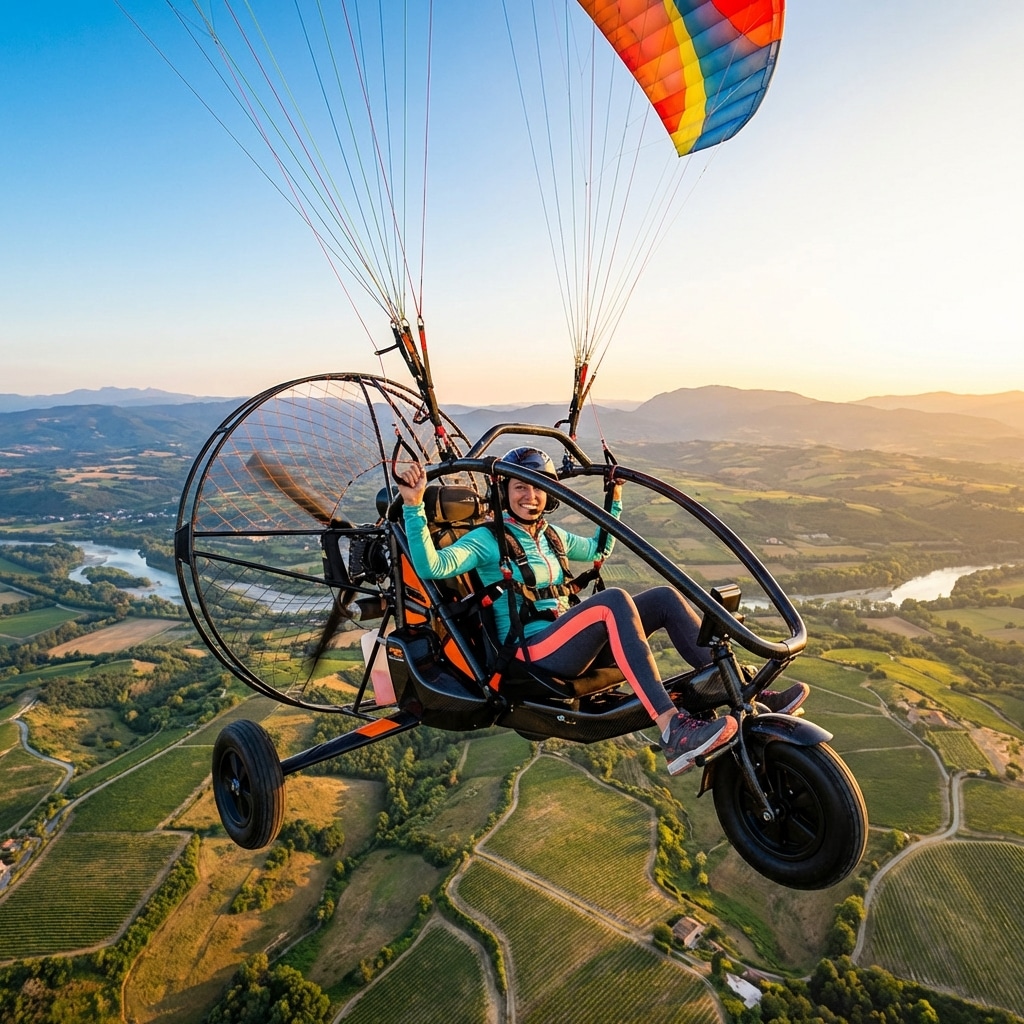
Paragliding offers an unparalleled symphony of exhilaration and serene beauty. Imagine launching into the blue, the world unfolding beneath you in a breathtaking panorama, the wind whispering a song of freedom as you soar. It’s an adventure that captivates the soul, but like any sport that challenges gravity, it demands unwavering respect for safety. At the heart of this respect, and indeed your essential gear list, stands one item designed to be your steadfast guardian: the paragliding helmet.
This isn’t just another piece of equipment; it’s a critical investment in your well-being, your confidence, and ultimately, your enjoyment of every flight. Join us as we explore why a high-quality paragliding helmet is non-negotiable, what makes a superior helmet stand out, and how choosing wisely can truly elevate your experience in the skies.
Why a Paragliding Helmet is Your Ultimate Co-Pilot in the Skies
Beyond the Thrill: Understanding Paragliding Risks
While paragliding is statistically safer than many other extreme sports, ignoring its inherent risks would be a grave oversight. Unpredictable thermal shifts, sudden gusts of wind, launch or landing misjudgments, or even unexpected equipment snags can transform a perfect flight into a perilous situation. In such moments, your head becomes vulnerable, and this is precisely where a paragliding helmet steps in.
It acts as your first and most vital layer of defense against impacts, whether from ground contact, mid-air collisions, or other unforeseen hazards. Thinking about a helmet isn’t about anticipating failure, it’s about preparing for every possibility, ensuring your brain—the command center of your body—remains protected.
The Unseen Benefits: Confidence, Focus, and Peak Performance
The psychological advantage of wearing a premium paragliding helmet extends far beyond physical protection. Knowing you’re equipped with top-tier safety gear frees your mind from “what if” scenarios, allowing you to immerse yourself fully in the experience. This enhanced confidence translates directly into improved focus on your flight plan, air currents, and precise maneuvers.
When you’re not distracted by nagging safety concerns, you can better appreciate the sport’s nuances, react more intuitively to changing conditions, and even push your performance boundaries safely. A helmet empowers you to fly with greater peace of mind, making every moment aloft more enjoyable and productive.
Navigating the Gear Grid: What Makes a Top-Tier Paragliding Helmet?
Choosing the right paragliding helmet involves more than just picking a color. It’s about understanding the engineering and features that contribute to unparalleled safety and comfort. Here’s what discerning pilots look for:
The Foundation: Advanced Materials and Unyielding Durability
The shell material is the backbone of your helmet’s protection. Manufacturers leverage advanced composites to achieve an optimal balance of strength and weight.
Polycarbonate: Often found in entry-level helmets, offering good impact resistance at an accessible price point.
Fiberglass/Composite: A step up, providing enhanced protection and often a better strength-to-weight ratio.
Carbon Fiber: The premium choice, known for its exceptional strength, lightweight properties, and superior energy absorption, though it comes at a higher cost.
Beyond the shell, the internal EPS (Expanded Polystyrene) foam liner plays a crucial role in absorbing impact energy. Look for helmets designed for multiple, low-energy impacts, not just a single catastrophic event.
Ergonomics Meets Flight: Perfect Fit, Comfort, and Ventilation
A helmet is only effective if it stays securely and comfortably on your head. A snug, yet comfortable fit is paramount; it shouldn’t wobble or create pressure points. Look for features that allow for customization and long-flight comfort.
Adjustable Padding: Removable and washable internal pads allow for a tailored fit and hygiene.
Retention System: A robust chin strap with an easy-to-use, secure buckle (like a Fidlock magnetic buckle or a traditional quick-release) is essential.
Ventilation: Adequate airflow prevents overheating and keeps you comfortable, especially during longer flights or in warmer climates. Strategically placed vents are key.
The Gold Standard: Essential Safety Certifications
Never compromise on certified safety standards. These certifications aren’t just labels; they represent rigorous testing against impact, penetration, and retention.
EN 966: This is the most widely recognized European standard specifically designed for airborne sports helmets. It guarantees the helmet meets specific criteria for impact absorption, field of vision, and other critical safety parameters relevant to paragliding.
ASTM International: While less common specifically for paragliding, some helmets might also meet general sports helmet standards from organizations like ASTM. Always prioritize EN 966 for paragliding.
An EN 966 certified helmet ensures it’s built to withstand the unique forces and impacts possible during paragliding activities. Always check for the certification sticker or label inside the helmet.
Beyond Basics: Weight, Aerodynamics, and Accessory Compatibility
While safety and fit are primary, modern paragliding helmets offer features that enhance the overall flying experience. Lighter helmets reduce neck fatigue, especially on longer flights. Aerodynamic design minimizes drag and noise, contributing to a smoother, quieter ride.
Consider compatibility with essential accessories such as communication systems (mic and speakers), goggles, or sunglasses. Some helmets feature dedicated slots or attachment points for these, making integration seamless and enhancing your in-flight functionality.
Choosing Your Style: Exploring Paragliding Helmet Types
Paragliding helmets generally come in a few distinct styles, each offering a different balance of protection, field of vision, and comfort.
Open-Face vs. Full-Face: Balancing Vision and Protection
Open-Face Helmets: These are the most popular choice for recreational paragliders. They offer a wide field of vision, excellent ventilation, and generally lighter weight. They provide superb protection for the top, back, and sides of the head.
Full-Face Helmets: Offering maximum protection, full-face helmets extend to cover the jaw and chin. While they might be slightly heavier and restrict peripheral vision slightly, they are preferred by pilots in more demanding conditions, acro pilots, or those seeking absolute comprehensive head and facial protection.
The Adaptable Aviator: Understanding Convertible Helmets
For pilots who engage in diverse flying styles or want maximum versatility, convertible helmets offer an intriguing solution. These helmets can switch between an open-face configuration and a full-face setup, often by adding or removing a detachable chin guard. They provide the flexibility to adapt your protection level to different flight conditions or personal preferences on any given day.
Maximizing Lifespan: Care and Maintenance for Your Paragliding Helmet
Your paragliding helmet is a critical piece of safety equipment, and proper care is essential to maintain its integrity and longevity.
Pre-Flight Checks: Your Routine Inspection Checklist
Before every flight, make it a habit to perform a quick, thorough inspection of your helmet.
Shell Integrity: Look for any cracks, dents, or signs of impact. Even hairline cracks can compromise structural integrity.
Liner Condition: Check the internal EPS foam for compressions, cracks, or deterioration.
Padding: Ensure all internal padding is securely in place and not excessively worn or compressed.
Straps & Buckle: Verify that the chin strap is intact, not frayed, and that the buckle operates smoothly and securely.
Visor/Shield (if applicable): Check for scratches or damage that could impair vision.
If you notice any significant damage, or if the helmet has sustained a substantial impact, it’s time for a replacement. Even if the damage isn’t visible, internal structural integrity can be compromised after an impact.
Post-Flight Care: Cleaning, Storage, and When to Replace
Cleaning: Use a mild soap and water solution with a soft cloth to clean the exterior. Avoid harsh chemicals or solvents, which can degrade helmet materials. Removable padding should be washed according to manufacturer instructions.
Storage: Store your helmet in a cool, dry place, away from direct sunlight or extreme temperatures. UV exposure and heat can weaken helmet materials over time. Use a helmet bag to protect it from dust and accidental impacts.
Replacement: Most manufacturers recommend replacing helmets every 5-7 years, even without visible damage, due to material degradation from UV exposure, sweat, and general wear. Always adhere to the manufacturer’s specific guidelines.
Ready for Takeoff: Making the Smart Choice for Your Sky-High Adventures
A paragliding helmet is far more than a mandatory accessory; it’s an indispensable partner in your airborne adventures. It stands as a testament to your commitment to safety, a guardian of your well-being, and a silent enhancer of your performance and enjoyment. From its meticulously engineered materials and snug fit to its essential safety certifications, every detail contributes to your peace of mind while suspended thousands of feet above the ground.
Whether you’re a seasoned pilot chasing new horizons or a beginner taking your first thrilling flights, investing in a high-quality, properly fitted, and well-maintained paragliding helmet is a decision that pays dividends in safety, confidence, and unparalleled sky-high experiences. So, gear up wisely, secure that helmet, and let the skies call to you with unwavering assurance.