Ever dreamt of escaping gravity, feeling the rush of wind, and witnessing breathtaking landscapes unfold beneath you? If the allure of flight calls to your adventurous spirit, then paramotoring in New Zealand might just be your next great obsession. This incredible sport combines the freedom of a bird with the power of a motor, offering an unparalleled perspective of the Land of the Long White Cloud.
New Zealand, a country renowned for its dramatic scenery and vibrant outdoor culture, provides an extraordinary canvas for paramotor enthusiasts. From towering alpine peaks to pristine coastlines and lush forests, every flight is a journey through a living postcard. Ready to take to the skies and experience NZ like never before? This comprehensive guide will equip you with everything you need to know for an unforgettable paramotoring adventure.
What Exactly is Paramotoring?
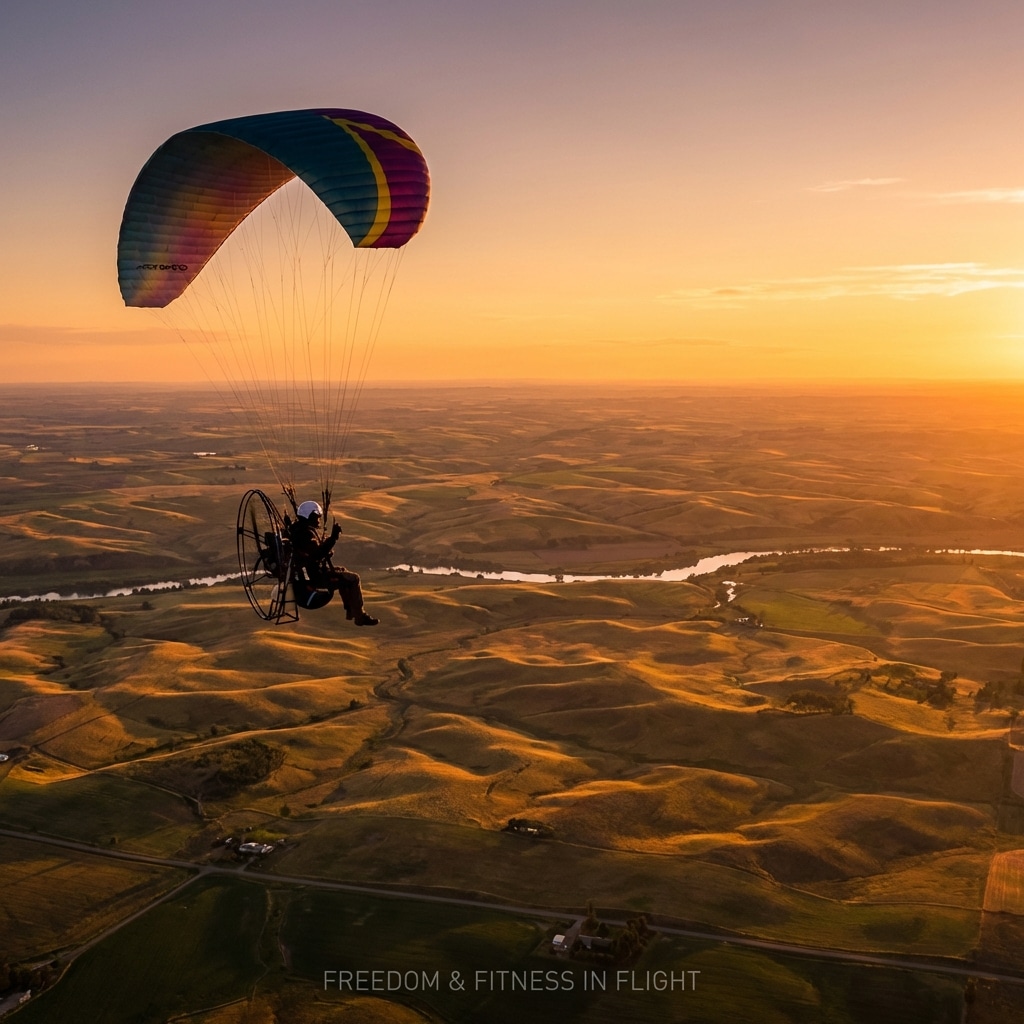
Paramotoring, often referred to as powered paragliding, is essentially the simplest and most accessible form of personal flight. It involves a pilot wearing a motor and propeller on their back, which provides thrust for takeoff and sustained flight. Connected to this unit is a paraglider wing, providing lift and steerage.
This unique combination allows pilots to launch from flat ground, climb to impressive altitudes, and cruise effortlessly through the air. Unlike traditional paragliding which relies on thermals, paramotoring offers controlled flight, making it a fantastic option for both experienced aviators and enthusiastic beginners seeking aerial freedom.
Why Choose New Zealand for Paramotoring?
New Zealand isn’t just a destination; it’s a paramotoring paradise. Its unique geography and climate conspire to create an ideal environment for powered paragliding.
A Canvas of Unrivalled Landscapes
Imagine gliding over the majestic Southern Alps, their snow-capped peaks piercing the clouds, or tracing the winding turquoise rivers of the South Island. New Zealand’s diverse topography, from the geothermal wonders of Rotorua to the idyllic subtropical islands of the North, offers an endless array of visual feasts. Every flight is a photographic opportunity, capturing vistas that remain etched in memory long after you’ve landed.
Favorable & Diverse Flying Conditions
New Zealand boasts moderate temperatures and varied wind conditions that are generally conducive to paramotoring throughout much of the year. While conditions can change rapidly, many regions offer consistent morning and evening windows perfect for flying. Local knowledge and weather forecasting become your best friends here.
Top Paramotoring Locations Across NZ
While the entire country presents incredible flying opportunities, some spots stand out for their accessibility, stunning views, and favorable conditions.
Queenstown: The Adventure Capital
Nestled amidst the Remarkables mountain range and bordering the pristine Lake Wakatipu, Queenstown is a dream for any paramotorist. Soaring high above this iconic South Island town provides cinematic views of glacial lakes, rugged peaks, and lush valleys. It’s a popular hub for tandem flights and a magnet for experienced pilots.
Bay of Islands: Subtropical Coastal Bliss
Head north to the Bay of Islands, and you’ll discover a completely different aerial experience. With over 140 subtropical islands, crystal-clear waters, and golden beaches, this region is stunning from above. Imagine cruising along the coastline, spotting dolphins or even whales, with lush greenery meeting the azure sea.
Rotorua: Geothermal Wonders from Above
For a truly unique flight, Rotorua’s geothermal landscape offers an extraordinary spectacle. Drifting over bubbling mud pools, active geysers, and vibrant mineral lakes provides a perspective on New Zealand’s raw power and Maori heritage found nowhere else. It’s a surreal and unforgettable journey through a living, breathing landscape.
Essential Gear for Your NZ Paramotoring Adventure
Safety and enjoyment hinge on having the right equipment. Here’s a breakdown of the core components you’ll need for paramotoring in NZ.
The Motor: Your Propulsive Heart
The motor unit, often worn like a backpack, is the powerhouse of your flight. It includes the engine, propeller, frame, and harness. Selecting a reliable, well-maintained motor suitable for your weight and experience level is paramount. Discuss options with certified instructors to find your perfect match.
The Wing: Your Airborne Lifter
The paraglider wing, or canopy, is meticulously designed to provide lift and allow you to glide. Wings come in various sizes and designs, tailored for different pilot weights, skill levels, and flying conditions. A certified instructor will guide you in choosing a wing that aligns with your training and intended use.
Crucial Safety & Navigation Equipment
Helmet: A must-have for head protection. Ensure it’s certified for aerial sports.
Reserve Parachute: A vital backup, stored within easy reach, for emergency deployment.
Appropriate Clothing: Layered clothing suited for varying altitudes and temperatures, gloves, and sturdy footwear.
GPS & Altimeter: Essential for navigation, tracking your flight path, and monitoring altitude.
Radio/Communication: For staying in touch with ground support or other pilots.
Is Paramotoring Safe? Mitigating the Risks
Like any adventure sport, paramotoring carries inherent risks, but it is remarkably safe when approached with proper training, equipment, and a healthy respect for the environment. Most incidents occur due to pilot error, lack of training, or poor judgment regarding weather conditions.
To minimize risks, always prioritize rigorous pre-flight checks, stay updated on weather forecasts, and never fly beyond your skill level. The paramotoring community in New Zealand highly values safety, fostering a culture of mutual support and responsible flying.
Training and Certification for Paramotoring in NZ
Embarking on a paramotoring journey requires structured instruction to ensure competence and safety.
Finding a Certified Training School
Several reputable paramotoring schools operate across New Zealand, offering comprehensive training programs. These courses cover everything from ground handling the wing and basic motor operation to advanced flight techniques, emergency procedures, and meteorology. Enrolling in a certified school is the non-negotiable first step for any aspiring pilot.
The Value of Certification with NZHGPA
While New Zealand does not legally mandate a license to operate a paramotor, obtaining certification from a recognized body like the New Zealand Hang Gliding and Paragliding Association (NZHGPA) is highly recommended. NZHGPA certification validates your skills and knowledge, enhances your safety, and often grants access to local flying sites and communities. It signifies that you meet recognized standards for safe and responsible flying.
Planning Your Paramotoring Trip to NZ
To make your paramotoring adventure seamless, consider these practical tips.
Best Time to Visit: Spring (September-November) and Autumn (March-May) often offer stable weather conditions ideal for flying. Summer can be excellent but watch for stronger thermal activity, especially inland.
Local Regulations: Familiarize yourself with local airspace rules and flight restrictions. Local clubs and instructors are invaluable resources for this information.
Connect with the Community: Join New Zealand paramotoring groups or forums online. They are a fantastic source for site information, weather insights, and connecting with fellow pilots.
Insurance: Consider travel and specific adventure sports insurance that covers paramotoring activities.
Your New Zealand Paramotoring Adventure Awaits!
Paramotoring in New Zealand isn’t just a sport; it’s an immersive experience that allows you to connect with this incredible country on a profound, exhilarating level. Imagine the thrill of launching into the open sky, the world unfurling beneath your feet, and the freedom of flight filling your senses.
With the right training, essential gear, and a deep appreciation for safety, the skies of New Zealand are yours to discover. So, are you ready to trade the mundane for the magnificent? The adventure of a lifetime, soaring above some of the planet’s most spectacular landscapes, is calling your name.