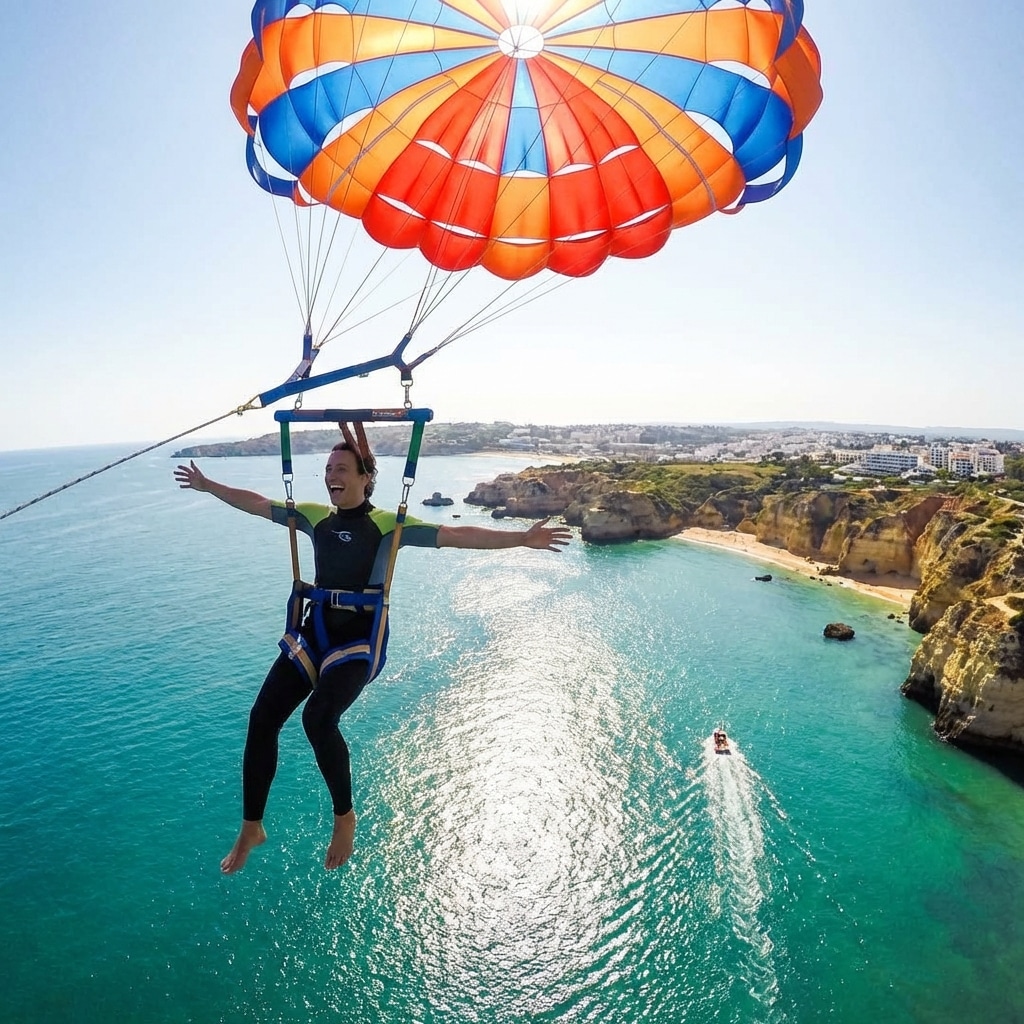
The sky calls to many, offering unparalleled freedom and breathtaking views. For paramotor pilots, this call is answered with the exhilarating roar of an engine and the silent glide of a paraglider wing. But beneath the allure of flight lies a critical question: Just how safe is paramotoring? While the sport has evolved significantly since its early days, understanding and mitigating its inherent dangers remains paramount for every enthusiast.

Understanding Paramotoring Risks: A Closer Look at Accidents

Paramotoring, also known as powered paragliding, offers an incredible perspective on the world. However, like any adventurous air sport, it comes with a degree of risk. Historical data and ongoing observations highlight specific areas of concern that pilots must be acutely aware of to ensure their safety and the safety of others.
The Peril of Mid-Air Collisions
One of the most concerning and frequently cited causes of fatalities in paramotoring is mid-air collisions. These incidents can occur between paramotors themselves, or tragically, with other aircraft. The aerial environment demands constant vigilance, especially in shared airspace.
The Solo Flight Factor
A significant portion of paramotoring fatalities—around 51%—involve pilots flying solo. While flying alone offers a unique sense of freedom, it also means a lack of immediate assistance or oversight in critical situations. This underscores the need for impeccable self-discipline, advanced training, and robust emergency protocols for solo pilots.
Training and Licensing: A Vital Connection
Disturbingly, a considerable percentage of fatalities (reported as 36% in available data) involve pilots who are not properly trained or licensed. This statistic strongly suggests a correlation between inadequate preparation and increased accident risk. Comprehensive training and adherence to regulatory standards are not mere formalities; they are foundational to safe paramotoring.
Paramotoring Accident Statistics: The Current Picture
Gathering comprehensive, global data for paramotoring accidents can be challenging due to the sport’s relatively young age and decentralized nature. However, available insights paint a clear picture of the ongoing risks.
- Injuries: Approximately 2-4 injuries are reported per month.
- Fatalities: On average, 0-1 fatalities occur each month.
- Solo Pilots: Account for a stark 51% of all paramotoring deaths.
- Untrained Pilots: A significant 36% of fatalities are linked to pilots who lack proper training or licensing.
- Mid-Air Collisions: Research into mid-air collisions, particularly those involving other aircraft, remains crucial for enhancing safety protocols.
These numbers highlight that while paramotoring is an exhilarating sport, it demands respect for its inherent dangers. The community is actively working to improve data collection and safety standards, but vigilance remains key.
Minimizing Risks: How to Fly Your Paramotor Safer
While acknowledging the dangers is important, proactive measures can dramatically reduce the likelihood of accidents. Here’s how paramotor pilots can significantly enhance their safety:
Prioritize Comprehensive Training and Certification
Investing in high-quality, professional training from a certified instructor is non-negotiable. Proper training covers everything from equipment setup and pre-flight checks to advanced flying techniques, emergency procedures, and weather assessment. Don’t just learn to fly; learn to fly safely.
Master Awareness and Spatial Navigation
Constant awareness of your surroundings is vital. This includes monitoring other aircraft, ground obstacles, and changing weather conditions. Develop a habit of scanning the skies, utilizing visual and auditory cues, and maintaining situational awareness at all times, especially when flying solo.
Adhere Strictly to Rules and Regulations
Every region has specific rules and airspace regulations for powered paragliding. Familiarize yourself with and rigorously follow all guidelines, including airspace restrictions, minimum altitudes, and communication protocols. These rules are designed to prevent conflicts and ensure orderly air traffic.
Choose Your Launch and Landing Zones Wisely
Always select open, clear areas for takeoff and landing, free from trees, power lines, buildings, and other obstacles. Practice your launch and landing techniques frequently in controlled environments to build muscle memory and proficiency. A safe flight starts and ends on the ground.
Continuous Learning and Equipment Maintenance
The best pilots are lifelong learners. Stay updated on best practices, attend workshops, and regularly review emergency procedures. Furthermore, meticulous pre-flight inspections and routine maintenance of your paramotor and wing are essential for preventing mechanical failures.
Paramotoring vs. Paragliding: Which is Safer?
It’s common for aspiring pilots to wonder about the safety differences between paramotoring (powered paragliding) and unpowered paragliding. While both sports share similar wings and airfoils, the addition of a motor introduces distinct factors into the safety equation.
Based on available data, unpowered paragliding generally appears to have a slightly lower overall accident and fatality rate than paramotoring.
Why the Difference?
- Mechanical Complexity: Paramotoring involves a motor, propeller, and fuel system—additional components that can malfunction. Unpowered paragliding eliminates these mechanical risks.
- Weight and Inertia: The added weight of the paramotor unit can make launches and landings more challenging, and affect the wing’s recovery characteristics in turbulence.
- Altitude and Speed: Paramotors often fly at higher speeds and can cover more ground, potentially increasing exposure to varied conditions and other air traffic.
- Engine-Out Scenarios: While paramotor pilots are trained for engine-out landings, it introduces an additional critical skill set not required in unpowered flight.
However, it’s crucial to understand that both sports demand rigorous training, respect for conditions, and adherence to safety protocols. A well-trained paramotor pilot flying quality equipment in appropriate conditions can be incredibly safe. The “safer” sport often depends more on the individual pilot’s skill, judgment, and adherence to best practices than on the equipment alone.
Embrace the Sky, Prioritize Safety
Paramotoring offers an unparalleled sense of adventure and freedom. While the sport has undeniable risks, it’s also a community committed to continuous improvement in safety standards and pilot education. By understanding the common causes of accidents, prioritizing comprehensive training, and practicing unwavering vigilance, pilots can significantly reduce their risk.
Ultimately, the beauty of paramotoring lies not just in the flight itself, but in the responsible pursuit of this incredible passion. Fly smart, fly safe, and continue to explore the world from above with confidence.