Do you crave the absolute edge of human experience? Imagine not just falling from the sky, but *flying* through it – skimming mere feet from ancient rock faces, towering trees, or even man-made structures. This isn’t science fiction; it’s the electrifying reality of proximity wingsuit flying, an extreme sport that redefines what it means to be airborne.
Unlike traditional skydiving or even standard wingsuit flights, proximity flying demands unparalleled precision, bravery, and skill. Pilots, clad in specially designed wingsuits, transform into human eagles, navigating complex terrain at breathtaking speeds. It’s an immersive dance between pilot and environment, a testament to meticulous planning and instant decision-making that leaves no room for error.
What Exactly is Proximity Wingsuit Flying?
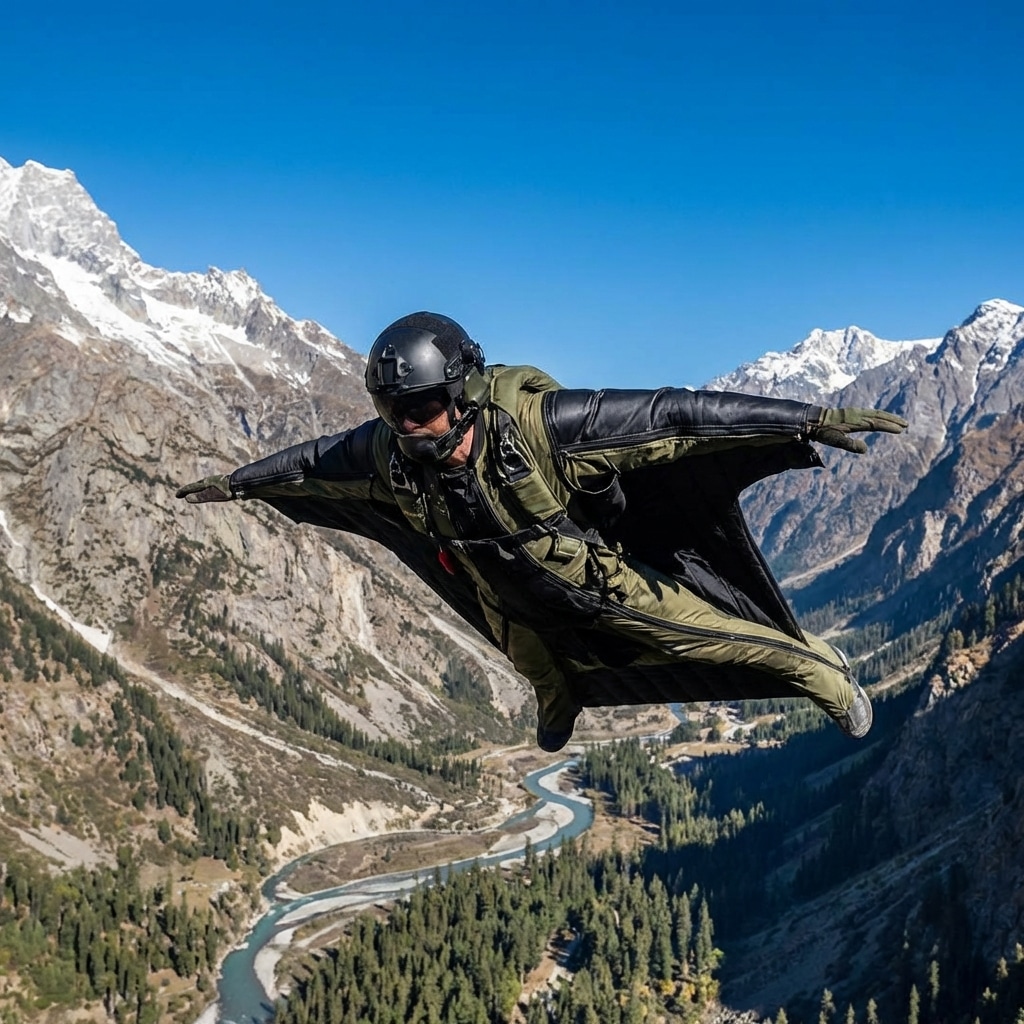
Proximity wingsuit flying is a highly specialized discipline within the broader world of wingsuit flying. While a wingsuit itself allows a skydiver to achieve significant horizontal glide and reduced vertical speed, proximity flying takes this concept to its most extreme conclusion. Pilots intentionally navigate incredibly close to the ground and obstacles, transforming the sky into a dynamic, three-dimensional obstacle course.
This isn’t merely about adrenaline; it’s an intricate art form. It requires a deep understanding of aerodynamics, meteorology, and terrain analysis. Every flight path is meticulously planned, often involving advanced simulations, to ensure a safe yet exhilarating journey through incredibly narrow margins.
The Irresistible Allure and Unmatched Thrill
For those who pursue it, the appeal of proximity wingsuit flying is profound. It offers an unparalleled sense of freedom and connection with nature, allowing pilots to experience landscapes from an utterly unique perspective. The sensation of high-speed flight just meters from solid rock or dense forest is an intense, full-sensory experience that few other sports can rival.
Beyond the raw thrill, there’s the intellectual challenge. The meticulous planning, the constant evaluation of conditions, and the split-second decisions required to navigate these environments provide immense mental stimulation. It’s a sport that demands total presence and focus.
The Grave Risks and Razor-Thin Margins
With extraordinary thrills come extraordinary risks. Proximity wingsuit flying is widely considered one of the world’s most dangerous extreme sports. The margins for error are minuscule; a misjudgment of speed, altitude, wind, or trajectory can have immediate and catastrophic consequences.
Unlike many extreme sports where safety equipment can offer some protection, proximity pilots operate in an environment where impact with terrain is often fatal. This inherent danger underscores the necessity for extensive training, rigorous preparation, and an unwavering commitment to safety protocols.
Essential Gear for Proximity Wingsuit Flying
The specialized equipment for proximity wingsuit flying is engineered for peak performance and safety, serving as a critical extension of the pilot’s body and senses.
The Wingsuit: This is the heart of proximity flying. Modern wingsuits feature advanced aerodynamic designs, with fabric “wings” connecting the legs and arms. They are custom-fitted and crafted from high-strength, lightweight materials to maximize glide efficiency and maneuverability at speed.
Parachute Systems: Proximity pilots use dual parachute systems – a main canopy and a reserve. These are often performance-oriented, designed for rapid deployment and precise landings in challenging terrain.
Helmet & Goggles: A state-of-the-art helmet is non-negotiable, offering head protection and often integrated communication systems. Goggles provide essential eye protection from wind, debris, and glare, ensuring clear vision is maintained throughout the flight.
Altimeter & GPS Devices: Precision is paramount. Digital altimeters provide critical altitude data, while advanced GPS units offer real-time information on speed, trajectory, and location. These tools are vital for navigation, flight planning, and post-flight analysis.
GoPro & Communication: Many pilots carry small action cameras to record their flights, both for personal review and sharing. Integrated communication systems allow for vital contact with ground crews or other flyers.
Your Roadmap to Proximity Wingsuit Flying
The path to becoming a proximity wingsuit pilot is long, challenging, and requires absolute dedication. It’s a progression built on thousands of jumps and years of experience, not a quick thrill.
Step 1: Achieve Skydiving Certification
Before you can even dream of a wingsuit, you must become an experienced skydiver. This involves completing an Accelerated Freefall (AFF) program or similar, accumulating hundreds of jumps, and earning a skydiving license. You’ll master freefall control, parachute deployment, and precise landings in varying conditions.
Step 2: Master Basic Wingsuit Flying
Once you’re a proficient skydiver, you can begin wingsuit training. This starts with smaller, more forgiving wingsuits in an open-sky environment. You’ll learn fundamental body positioning, flight dynamics, and how to safely deploy your parachute from a wingsuit flight. This phase often involves hundreds of wingsuit jumps.
Only after extensive wingsuit experience (often 500+ wingsuit jumps) can you consider advanced proximity courses. These programs focus on terrain assessment, advanced flight planning, emergency procedures specific to proximity, and flying in close formation with instructors. Mentorship from seasoned proximity pilots is invaluable during this critical stage.
Iconic Proximity Wingsuit Flying Destinations
Certain locations globally have become legendary for their dramatic landscapes, offering the perfect canvas for proximity wingsuit pilots.
The Swiss Alps, Switzerland
Widely considered the birthplace and epicenter of proximity flying, the Swiss Alps offer unparalleled vistas and challenging terrain. Valleys like Lauterbrunnen and mountains such as Jungfrau and Eiger attract the world’s elite pilots, providing dramatic backdrops and complex flight lines.
Norway’s Majestic Fjords
With their steep cliffs plunging into deep, narrow fjords, locations like Kjerag and Lysefjord in Norway offer a unique and visually stunning environment for proximity flying. The sheer verticality of the landscape presents both incredible opportunities and demanding challenges.
Dolomites, Italy
The jagged, iconic peaks of the Dolomites provide an awe-inspiring playground for experienced wingsuit flyers. The unique rock formations and deep valleys demand precise navigation and offer some of the most breathtaking flights imaginable.
Are You Ready for the Ultimate Flight?
Proximity wingsuit flying is far from a casual pursuit. It demands an extraordinary blend of physical prowess, mental resilience, meticulous planning, and an unwavering respect for its inherent dangers. It’s for those who are driven to push the boundaries of human capability, who find their greatest satisfaction in mastering extreme environments.
If the thought of soaring inches from the earth, experiencing the world from a truly unique perspective, ignites a fire within you, then the journey into proximity wingsuit flying might just be your calling. Remember, it’s a journey of years, built on a foundation of skill, experience, and an unyielding commitment to safety. The skies await those daring enough to earn their wings and truly fly.