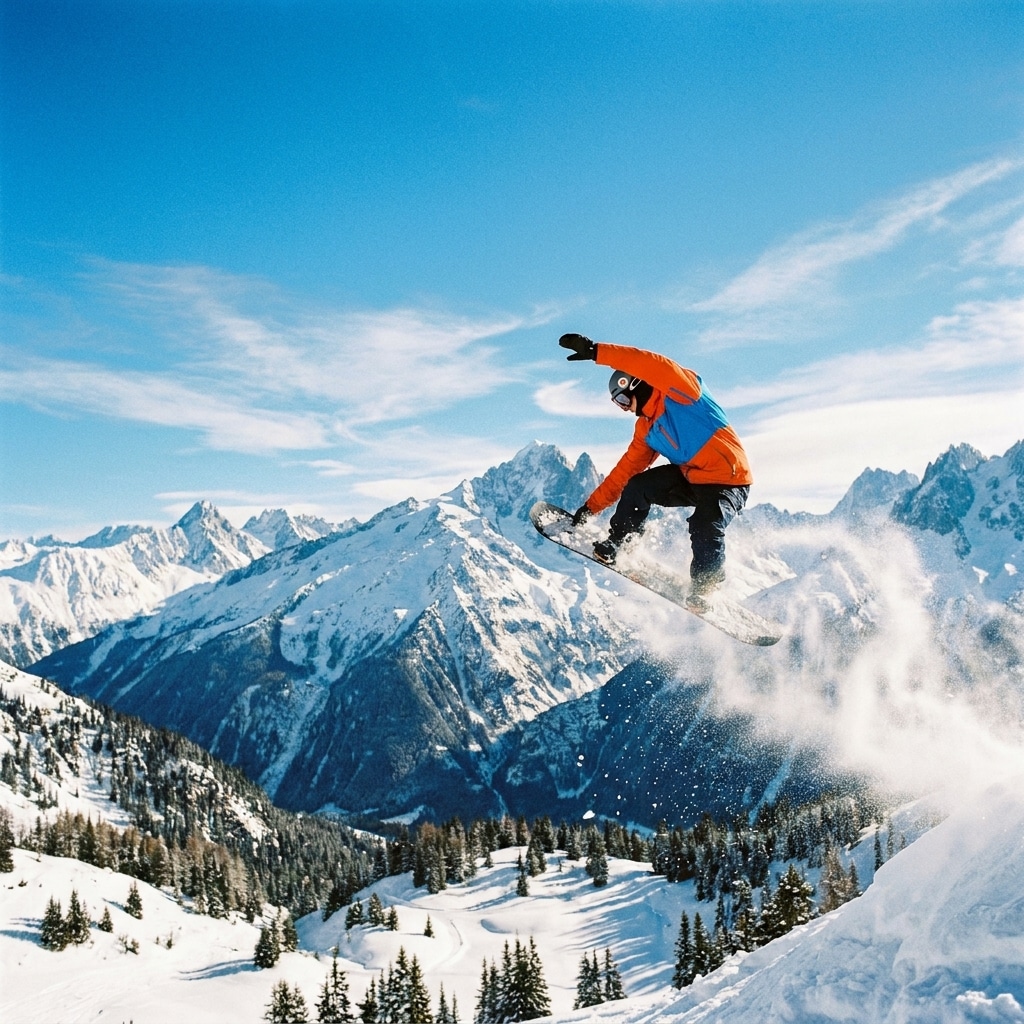
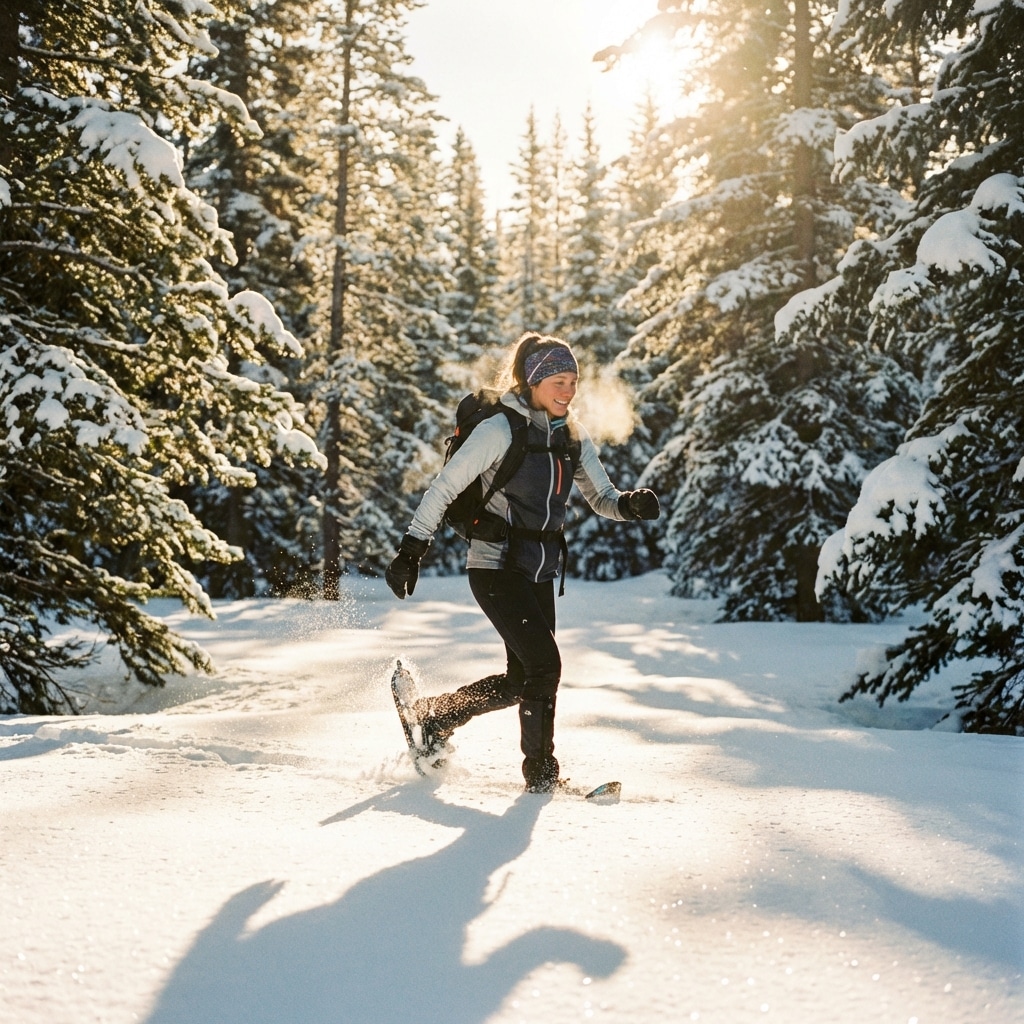
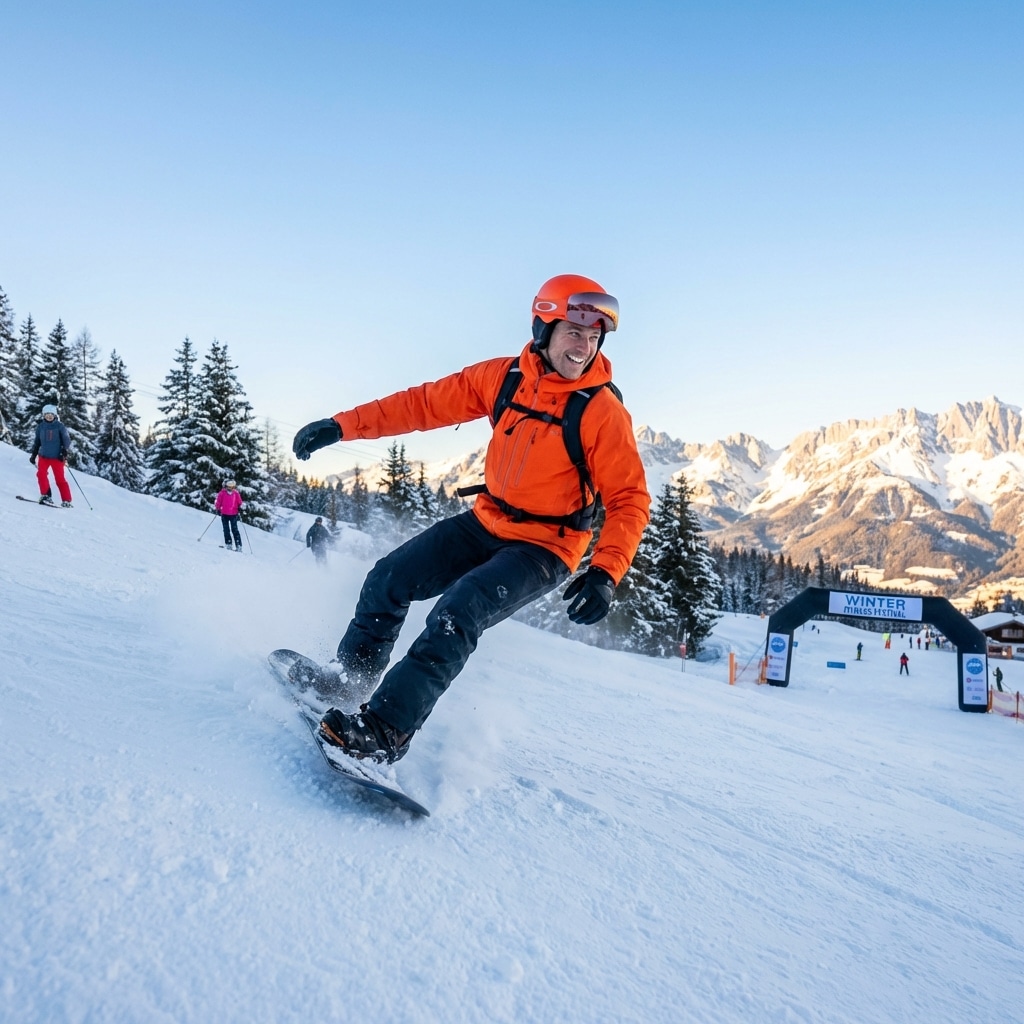
Dreaming of carving fresh powder under the vast Colorado sky? Skiing in Colorado isn’t just a sport; it’s an iconic experience that draws visitors from around the globe. From world-class resorts with endless terrain to charming mountain towns and abundant sunshine, Colorado offers an unparalleled winter adventure for every skill level.
Whether you’re a seasoned expert or planning your very first ski trip, preparing for your Colorado ski adventure is key. This comprehensive guide will equip you with everything you need to know, from essential gear and safety tips to choosing the perfect Colorado ski resort and making the most of your time on and off the slopes.
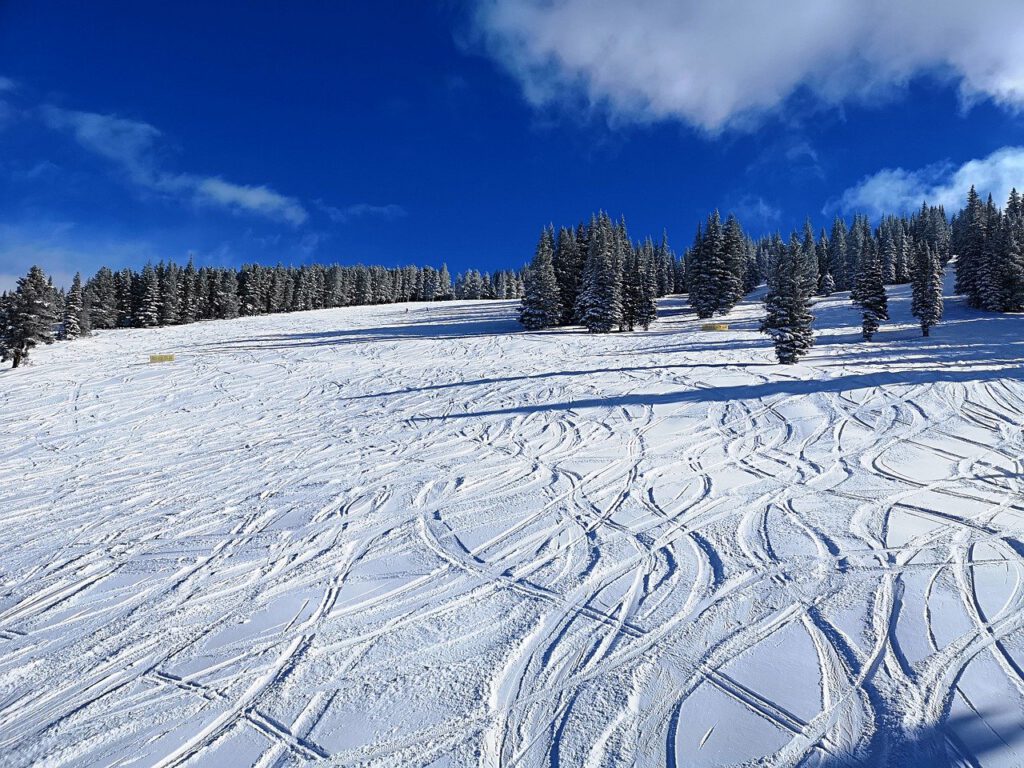
Getting Started: Essential Tips for Your Colorado Ski Trip
Before you hit the renowned slopes of Colorado, there are a few fundamental considerations to ensure a smooth, safe, and enjoyable experience. Being prepared makes all the difference.
What Equipment Do You Need for Skiing in Colorado?
Proper gear is non-negotiable for comfort and safety. You’ll need specialized ski equipment and appropriate clothing to handle varying mountain conditions. For beginners, renting gear is often the most cost-effective option.
- Skis, Boots, Bindings, and Poles: These are your core skiing tools. Get fitted by professionals at a rental shop for optimal performance and safety.
- Helmet: Absolutely essential for head protection. Many resorts mandate or strongly recommend helmet use.
- Outerwear: A waterproof and windproof jacket and ski pants are crucial. Look for insulated options for colder days.
- Layers: Dress in layers (base layer, mid-layer) to adapt to changing temperatures throughout the day.
- Accessories: Waterproof gloves or mittens, a warm hat or helmet liner, ski socks (wool or synthetic), and goggles to protect your eyes from sun and snow.
- Sun Protection: Don’t forget high-SPF sunscreen and lip balm, as the Colorado sun is intense at altitude.
Prioritizing Safety on the Slopes
Skiing and snowboarding are thrilling, but safety must always come first. Familiarize yourself with the “Skiers’ Responsibility Code” and adhere to all resort rules and signage.
- Know the Code: Always stay in control, yield to others, stop in a safe place, look before merging, and use appropriate devices to prevent runaway equipment.
- Take Lessons: If you’re a beginner or want to improve, professional instruction is invaluable. Ski schools teach proper technique and mountain etiquette.
- Stay Hydrated and Rested: Altitude sickness can be a real concern in Colorado. Drink plenty of water and get adequate rest before and during your trip.
- Check Conditions: Always be aware of weather, snow conditions, and trail closures before heading out.
Choosing Your Ideal Colorado Ski Resort
Colorado boasts a diverse array of ski resorts, each with its own unique charm and offerings. Consider your skill level, budget, and desired atmosphere when making your choice.
- Terrain: Look for resorts with ample terrain suited to your ability, from gentle beginner slopes to challenging expert runs.
- Amenities: Does the resort offer ski schools, childcare, dining options, and lodging that meet your needs?
- Location: Proximity to major airports (like Denver International Airport – DIA) and travel time can influence your decision.
- Vibe: Are you looking for a bustling party town, a family-friendly haven, or a luxurious, exclusive experience?
Skiing vs. Snowboarding: What’s Your Style?
Most Colorado ski resorts welcome both skiers and snowboarders. While a few historically prohibited snowboarding (like Alta and Deer Valley in Utah), Colorado resorts generally embrace both disciplines.
Consider trying lessons for both if you’re undecided, as each offers a unique sensation and learning curve. Many resorts are known for excellent terrain parks for snowboarders and freestylers.
Does Skiing in Colorado Require Good Physical Shape?
Yes, skiing and snowboarding are physically demanding sports. You’ll be using muscles you might not typically engage, especially in your legs and core. Good physical conditioning will enhance your endurance and reduce the risk of injury.
Even if you’re not an athlete, basic fitness, leg strength, and cardiovascular endurance will make your experience much more enjoyable. Consider some pre-trip exercises focusing on balance, core strength, and quad/hamstring development.
Budgeting for Your Colorado Ski Adventure
Skiing in Colorado can indeed be an expensive endeavor, but it’s possible to manage costs with smart planning. The major expenses include lift tickets, equipment rentals, lessons, lodging, transportation, and food.
- Lift Tickets: These are often the biggest single expense. Purchasing multi-day passes or season passes (like Epic Pass or Ikon Pass) in advance can offer significant savings.
- Rentals: Renting gear at the resort or in a nearby town can save you from buying expensive equipment upfront.
- Lodging: Prices vary widely. Consider staying slightly off-mountain, booking during off-peak times, or looking for package deals that include food and accommodation.
- Food: Eating on the mountain can be pricey. Pack snacks or make use of grocery stores if your lodging has kitchen facilities.
Discovering Colorado’s World-Class Ski Resorts
Colorado is home to some of the most famous ski resorts globally, each offering a distinct experience. Let’s explore some of the highlights and help you find your perfect mountain match.
Popular and Iconic Colorado Ski Resorts
Certain names instantly come to mind when thinking about Colorado skiing, synonymous with quality snow, vast terrain, and memorable experiences.
- Vail: Often considered the largest single ski mountain in Colorado by acreage, Vail is legendary for its vast Back Bowls and sophisticated European village atmosphere. It’s a favorite for its diverse terrain.
- Aspen Snowmass: Comprising four distinct mountains (Aspen Mountain, Snowmass, Aspen Highlands, Buttermilk), Aspen offers everything from beginner-friendly slopes to extreme expert terrain, all wrapped in a luxurious, celebrity-favored package.
- Breckenridge Ski Resort: Known for its historic mining town charm, high-alpine terrain, and vibrant après-ski scene. Breckenridge boasts five peaks and excellent snow.
- Steamboat Ski Resort: Famous for its “Champagne Powder®” and Western heritage, Steamboat provides a unique blend of cowboy culture and incredible tree skiing.
- Beaver Creek: An upscale, family-friendly resort known for its meticulously groomed slopes, impeccable service, and luxurious amenities.
Which Colorado Ski Resorts Are Best for Beginners?
New to skiing? Several Colorado resorts excel at creating a welcoming environment for first-timers, with excellent ski schools and dedicated learning areas.
- Keystone Resort: Offers extensive green terrain, a fantastic ski school, and the “Kids Ski Free” program, making it ideal for families learning together.
- Copper Mountain Resort: Features naturally divided terrain, meaning beginner slopes are separate from intermediate and expert runs, providing a safer learning environment.
- Loveland Ski Area: A local favorite known for its affordability, great snow, and excellent ski school. It often opens early in the season.
- Steamboat Ski Resort: While known for powder, Steamboat also has excellent beginner terrain and a highly-regarded ski school, particularly for kids.
- Echo Mountain: Very close to Denver, affordable, and perfect for a quick learn-to-ski day trip without the commitment of larger resorts.
Colorado Ski Resorts Closest to Denver
For those flying into Denver International Airport (DIA) or living in the Denver metro area, proximity is a major advantage. Here are some of the most accessible resorts:
- Echo Mountain: The closest to Denver, offering a convenient, budget-friendly option for a quick ski fix or learning.
- Loveland Ski Area: Located right off I-70, Loveland is known for its excellent snow, friendly atmosphere, and being one of the first to open.
- Winter Park Resort: Easily accessible via the scenic I-70 corridor or the Winter Park Express train, offering diverse terrain for all abilities.
- Arapahoe Basin Ski Area (A-Basin): Known for its long season and challenging terrain, A-Basin is also popular for its casual, no-frills vibe.
- Keystone Resort & Breckenridge Ski Resort: Both are about a 1.5 to 2-hour drive from Denver (without traffic) and are popular choices for weekend trips.
Which Colorado Ski Resort is the Largest?
While “largest” can be measured in different ways (acreage, vertical drop, number of trails), Vail Mountain is generally recognized as the largest single ski mountain in Colorado by skiable acreage. With its legendary Back Bowls and extensive front side, it offers an incredible amount of terrain to explore.
When considering multi-mountain resorts, the Aspen Snowmass complex (which includes Snowmass, Aspen Mountain, Aspen Highlands, and Buttermilk) collectively offers an enormous amount of terrain.
Most Expensive vs. More Affordable Skiing in Colorado
Colorado skiing caters to various budgets. Generally, resorts like Aspen Snowmass and Beaver Creek are considered among the most expensive, offering luxury accommodations, fine dining, and exclusive experiences.
For more budget-friendly options, consider resorts like Echo Mountain, Loveland Ski Area, Monarch Mountain, or Ski Cooper. These resorts often have lower lift ticket prices, more affordable rentals, and a relaxed, local vibe.
Planning Your Perfect Colorado Ski Adventure
With so many options, a little planning goes a long way. Here’s how to ensure your trip is seamless and unforgettable.
What is the Best Time of Year to Go Skiing in Colorado?
Colorado’s ski season typically runs from mid-November to mid-April, though some high-altitude resorts like Arapahoe Basin can stay open into June. The “best” time depends on your priorities:
- Early Season (November-Mid December): Fewer crowds, good deals, but potentially limited terrain as resorts build up snowpack.
- Peak Season (Late December-February): Best chance for abundant snow and cold temperatures. Expect larger crowds and higher prices, especially during holidays.
- Spring Skiing (March-April): Warmer temperatures, sunny days, soft snow in the afternoons, and lively après-ski scenes. Still good snowfall potential.
What Should I Wear While Skiing in Colorado?
Layering is key for adaptability to mountain weather. Start with a moisture-wicking base layer (not cotton), add an insulating mid-layer (fleece or down), and finish with a waterproof and windproof outer shell (jacket and pants). Don’t forget waterproof gloves, a warm hat, ski socks, goggles, and sunglasses.
Transportation Options When Skiing in Colorado
Getting to and around Colorado’s ski resorts requires some thought:
- From DIA: Rental cars are common, but shuttle services (like Epic Mountain Express, CME) offer convenient, direct transport to most major resorts. Some resorts are also accessible via train (Winter Park Express).
- Around the Resort: Many mountain towns offer free bus systems or resort shuttles, minimizing the need for your car once you arrive.
- I-70 Traffic: Be aware that I-70, the main artery to many resorts, can experience significant traffic congestion, especially on weekend mornings and afternoons.
Lodging, Food, and Nightlife at Colorado Ski Resorts
Colorado ski resorts offer a wide range of lodging options, from cozy condos and vacation rentals to luxurious five-star hotels and ski-in/ski-out lodges. Many come equipped with amenities like hot tubs, pools, and fireplaces – perfect for unwinding after a day on the slopes.
You’ll find diverse food options, from casual on-mountain cafeterias to upscale fine dining. Many resorts boast lively après-ski scenes, with bars, breweries, and live music. For those seeking evening entertainment, popular resorts like Breckenridge, Vail, and Aspen offer vibrant nightlife with bars and nightclubs.
Making Reservations and Finding Colorado Ski Resort Deals
The best strategy for securing lodging and lift tickets is to book well in advance, especially for peak season or popular resorts. Many resorts open reservations up to a year out.
Look for multi-day lift ticket packages, season passes (Epic, Ikon), or bundled deals that include lodging, rentals, and lessons. Traveling during the shoulder seasons (early December or late March/April) can also yield better pricing and fewer crowds.
Beyond the Slopes: Other Colorado Attractions
While skiing is the main draw, Colorado offers much more to explore. Consider extending your trip to visit nearby attractions. Rocky Mountain National Park, for instance, offers stunning winter landscapes for snowshoeing or wildlife viewing.
The vibrant city of Denver also offers museums, breweries, and a thriving culinary scene, providing a great contrast to the mountain experience. Many resorts also offer activities like tubing, ice skating, sleigh rides, and spa treatments.
Conclusion: Experience the Magic of Colorado Skiing
Skiing in Colorado is more than just an activity; it’s an immersive experience blending breathtaking natural beauty with exhilarating outdoor adventure. With careful planning and this guide in hand, you’re well on your way to creating unforgettable memories on the Centennial State’s legendary slopes.
So, get ready to embrace the powder, the stunning vistas, and the vibrant culture that make Colorado a premier destination for winter enthusiasts. Your ultimate ski adventure awaits!