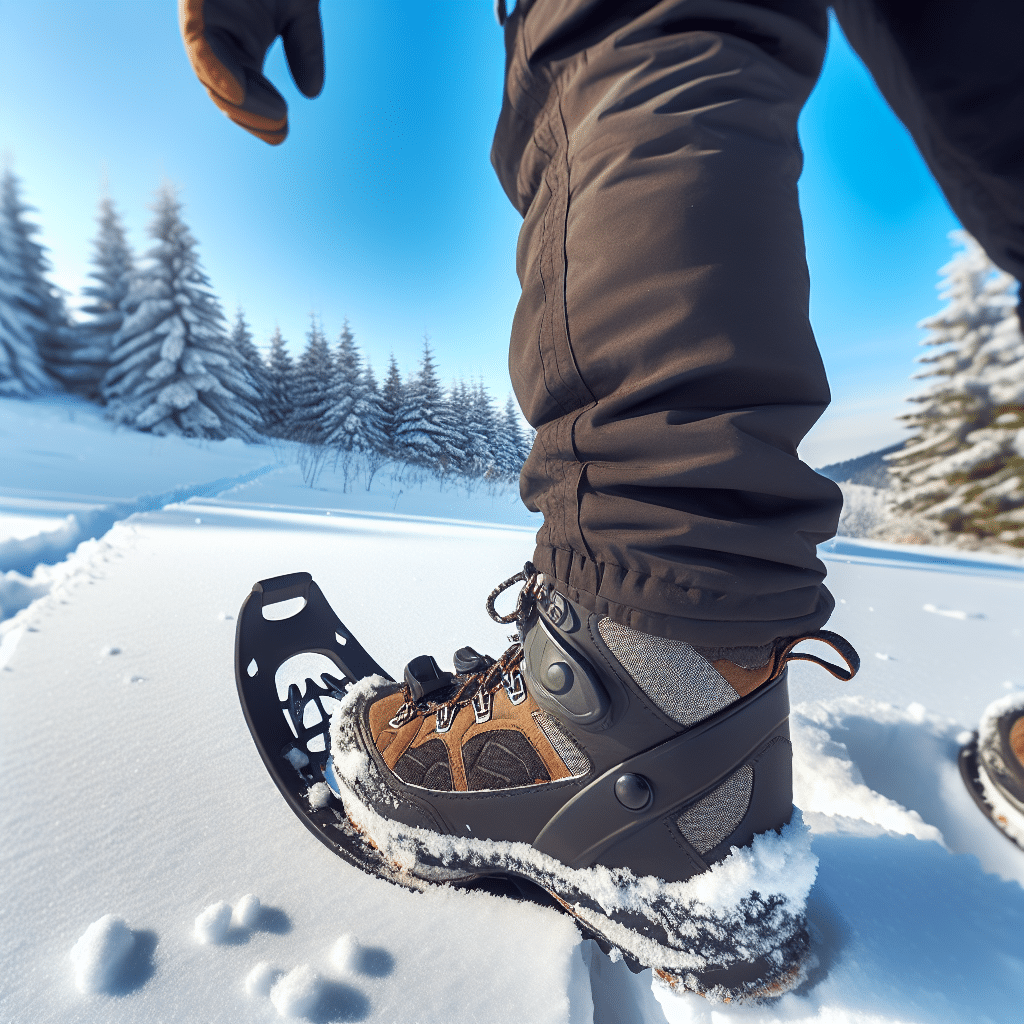
Ever hit the slopes feeling off-balance or with aching feet? Chances are, your snowboard boots weren’t doing you any favors. Many riders focus on their board or bindings, but the truth is, your boots are the single most critical piece of equipment for comfort, control, and progression on the mountain.

Your snowboard boots are the direct link between your body and your board. A proper fit translates every subtle movement into precise control, allowing you to carve with confidence, land tricks smoothly, and ride all day without discomfort. Investing in the right pair isn’t just about warmth; it’s about unlocking your full potential on the snow.

Why Your Snowboard Boots Are Your Most Important Gear
Think of your boots as the engine of your snowboard setup. They connect your body’s movements directly to your board, dictating how well you can steer, stop, and absorb impacts. A poorly fitting boot can lead to foot pain, reduced board control, and even blisters, turning a fun day into a frustrating one.
The right pair provides insulation for warmth, crucial ankle support to prevent injuries, and responsiveness to transmit your energy efficiently. Whether you’re a beginner finding your balance or an experienced rider pushing boundaries, comfortable and responsive boots are non-negotiable for an enjoyable and progressive snowboarding experience.
Understanding Snowboard Boot Flex: Soft, Medium, or Stiff?
Snowboard boot flex refers to how stiff or pliable the boot is. This characteristic significantly impacts your riding style and overall control. There are generally three categories: soft, medium, and stiff flex.
- Soft Flex (1-4 on a 10-point scale): Ideal for beginners, park riders, and casual cruisers. Softer boots are more forgiving, making it easier to initiate turns and absorb landings. They offer maximum comfort and a “skate-like” feel, which is excellent for learning new tricks and a relaxed ride.
- Medium Flex (5-7 on a 10-point scale): A versatile choice for intermediate to advanced riders who enjoy a mix of terrain. Medium flex boots offer a good balance of support for carving and flexibility for freestyle. They are responsive enough for speed but comfortable for all-day riding.
- Stiff Flex (8-10 on a 10-point scale): Preferred by aggressive freeriders, racers, and backcountry enthusiasts. Stiff boots provide maximum response and support at high speeds, critical for precise edge control on steep terrain or icy conditions. They require more effort to flex but deliver unparalleled power transfer.
Snowboard Boot Lacing Systems: Find Your Perfect Fit
The lacing system of your snowboard boots determines how quickly and effectively you can secure them. Each type offers distinct advantages in terms of fit customization, convenience, and performance. Choosing the right system is key to comfort and control.
Traditional Lace-Up Boots
Traditional lace-up boots use standard laces, similar to athletic shoes. They offer the most precise control over fit, allowing you to tighten specific zones (e.g., ankle versus forefoot) exactly as you desire. While they take longer to lace, this customizability provides a secure, locked-in feel, often favored by experienced riders.
Speed Lace Systems
Speed lace systems, often seen in Burton or Salomon boots, feature pull handles that tighten separate zones of the boot (usually upper and lower). This offers quick and easy entry/exit, along with zonal tightening for a customized fit. They are a popular choice for riders seeking a balance of convenience and adjustable support.
BOA Coiler Systems
BOA systems utilize steel cables and a dial mechanism to tighten the boot quickly and uniformly. A single BOA dial typically tightens the entire boot, while dual BOA systems offer independent tightening of upper and lower zones. BOA is renowned for its speed, ease of use, and consistent fit, making it highly popular across all skill levels.
The Anatomy of a Snowboard Boot: Key Components
Beyond the lacing, a snowboard boot comprises several integral parts working together for performance and comfort. Understanding these components helps you appreciate the engineering behind a great ride.
- Outer Shell: The exterior of the boot, typically made of durable synthetic materials like plastic or TPU. It provides structural support, protection, and houses the lacing system.
- Liner: The removable inner boot that cradles your foot. Liners are often heat-moldable, conforming to the unique shape of your foot over time for a custom fit and enhanced warmth.
- Footbed (Insole): A removable insert inside the liner that provides cushioning and arch support. Upgrading to aftermarket footbeds can significantly improve comfort and performance.
- Sole: The outsole of the boot, made from rubber or similar grippy materials. It provides traction for walking on snow and ice, and dampens vibrations from the board.
- Cuff: The upper part of the boot around your ankle and lower calf. Its flexibility, or lack thereof, contributes to the boot’s overall flex rating.
- Flex Zone/Notch: Strategically placed areas, often around the ankle, designed to allow the boot to bend naturally with your ankle during turns and landings, enhancing comfort and control.
- Tongue: The padded section that runs down the front of your shin. It protects against pressure from the laces and contributes to the boot’s forward flex.
Finding Your Ideal Snowboard Boot Fit
A proper fit is paramount. Your snowboard boots should feel snug, like a firm handshake, without any painful pressure points. Here’s how to ensure you get the perfect match for your feet.
Snowboard Boots for Beginners: Comfort & Control First
For those new to snowboarding, comfort and forgiveness are key. Beginners should prioritize boots with a soft to medium-soft flex. This allows for easier turn initiation and is more forgiving of minor mistakes, reducing fatigue.
Look for boots that offer good cushioning and a secure, yet comfortable, fit around the ankle. A boot that’s too stiff will make it harder to learn to bend your knees and flex into turns, hindering your progress. Prioritizing comfort ensures you’ll want to keep coming back to the mountain.
Women’s Specific Snowboard Boots: Tailored for You
While many boots are unisex, women’s specific snowboard boots are designed with anatomical differences in mind. Women often have narrower heels, lower calf muscles, and different foot volumes compared to men.
Women’s boots typically feature a lower cuff height and a narrower, more sculpted heel pocket to prevent heel lift. They often come in softer flexes suitable for lighter riders and sometimes incorporate lighter materials. These specific designs aim to provide a more precise and comfortable fit, enhancing control for female riders.
Top Snowboard Boot Recommendations for 2025
While specific models change yearly, leading brands consistently deliver quality and innovation. Here’s what to look for based on your riding style, drawing inspiration from the brands mentioned in the original content.
Best All-Around Performance: Burton & Salomon
Both Burton and Salomon are renowned for their wide range of boots that cater to all levels. Look for their mid-flex offerings with advanced lacing systems (Speed Zone or Dual BOA). These boots often feature heat-moldable liners and superior dampening, making them excellent choices for riders who demand comfort, responsiveness, and versatility across the entire mountain.
Best for Beginners & Freestyle: Ride & Rome SDS
Ride and Rome SDS consistently produce excellent boots with a focus on comfort and a more forgiving flex. If you’re just starting or love hitting the park, explore their softer to medium-flex models. These boots often prioritize comfort liners, easy-to-use lacing (like single BOA or traditional lace-up), and durable outsoles for reliable performance as you progress.
Premium Comfort & Control: Advanced Models from Top Brands
For aggressive riders or those seeking the ultimate in precision, brands like Burton, Ride, and Salomon offer high-end, stiff-flex boots. These models integrate advanced materials like specialized TPU, multiple lacing zones for hyper-customization, and ultra-responsive liners. While they come with a higher price tag, they deliver unmatched power transfer and support for challenging terrain.
Materials & Durability: What Are Snowboard Boots Made Of?
Modern snowboard boots utilize a variety of advanced materials to achieve the desired balance of weight, flex, durability, and warmth. Understanding these materials helps explain why some boots perform differently than others.
Caring for Your Snowboard Boots: Maintenance Tips
Proper maintenance significantly extends the life of your snowboard boots and keeps them performing their best. A little care goes a long way in protecting your investment.
Snowboard Boot Price Range: An Investment in Your Ride
Snowboard boots range widely in price, typically from $150 to $500+. The cost reflects the technology, materials, and features integrated into the boot. While it’s tempting to opt for the cheapest option, remember that boots are a long-term investment in your comfort and skill development.
Beginners can find excellent entry-level boots around the $150-$250 mark that offer great comfort and support. Intermediate riders may look in the $250-$350 range for enhanced features like heat-moldable liners and advanced lacing. High-performance boots for aggressive or expert riders can exceed $400, offering superior responsiveness and durability. Prioritize fit and function over price; a well-fitting boot at a moderate price will always outperform an expensive, ill-fitting one.
Ready to Find Your Perfect Pair?
Choosing the right snowboard boots is a personal journey, but a crucial one for your time on the mountain. By understanding flex, lacing systems, fit, and materials, you’re well-equipped to make an informed decision.
Don’t rush the process—take your time trying on different styles and brands. The perfect pair will feel like an extension of your own feet, giving you the confidence and control to shred harder, longer, and with more joy. Happy shredding!