Ever dreamt of gliding effortlessly down snowy mountains, feeling the crisp air, and carving perfect turns? Snowboarding is an exhilarating winter sport, but mastering the slopes requires more than just enthusiasm. Whether you’re a complete beginner strapping into a board for the first time or an experienced rider looking to refine your technique, there’s always room to grow.
This comprehensive guide dives deep into the most effective snowboarding tips, designed to help you build confidence, improve your control, and unlock the pure joy of the ride. Get ready to transform your snowboarding experience from hesitant slides to powerful carves and even stylish tricks!

Why These Snowboarding Tips Are Crucial for Your Progress
Snowboarding is a journey of continuous learning, demanding a blend of technique, balance, and awareness. By focusing on fundamental snowboarding tips, you not only accelerate your skill progression but also ensure every moment on the mountain is safe and enjoyable. Think of these tips as your blueprint for success.
Foundation First: Prioritizing Safety on the Slopes
Before you even think about dropping into a run, safety must be your absolute priority. A safe rider is a confident rider, and confidence is key to faster learning and bigger smiles.
- Gear Up Smart: Always wear a properly fitted helmet – it’s non-negotiable for protecting your most valuable asset. Consider wrist guards and knee pads, especially as a beginner snowboarder, to mitigate common falls.
- Inspect Your Equipment: Ensure your bindings are securely fastened and your boots fit snugly but comfortably. Properly functioning gear prevents accidents and enhances control.
- Know Before You Go: Always check weather forecasts, snow conditions, and trail reports. Understanding the mountain’s current state helps you choose appropriate runs and stay prepared.
- Understand the Rider’s Code: Familiarize yourself with the Skier/Snowboarder’s Responsibility Code. Be aware of your surroundings, control your speed, and always yield to riders ahead of you.
Dialing In Your Stance & Mastering Balance for Control
Your stance is the cornerstone of all your snowboarding techniques. A correct stance provides stability, enables efficient turning, and allows you to absorb bumps and jumps with ease. Getting this right is one of the most impactful snowboarding tips you’ll receive.
Finding Your Natural Stance: Regular or Goofy?
The first step is determining your dominant foot forward. If you naturally place your left foot forward, you’re “regular.” If your right foot leads, you’re “goofy.” There’s no right or wrong, just what feels most natural. Your instructor or a simple push test can help you figure this out.
Optimizing Board Setup and Body Alignment
- Binding Angles & Width: For beginners, a “duck stance” (feet angled slightly outwards, symmetrical or slightly more angle on the front foot) is often recommended, as it allows for easier riding in both directions. The width of your stance should generally match your shoulder width.
- Knees Bent, Ankles Flexed: Maintain a dynamic, athletic posture with knees and ankles slightly bent. This acts as your suspension system, allowing you to absorb terrain variations and react quickly.
- Shoulders Aligned: Keep your shoulders parallel to your snowboard when riding straight. This natural alignment promotes better balance and sets you up for initiating turns smoothly.
- Head Up, Eyes Forward: Look where you want to go, not at your feet. Your body naturally follows your gaze, making turns and obstacle avoidance much more intuitive.
The Art of Balance: Center of Gravity & Weight Distribution
Balance on a snowboard isn’t static; it’s a dynamic dance. Constantly adjust your weight to maintain equilibrium. Your center of gravity should always be low and over the center of your board.
- Low & Centered: Keep your hips stacked directly over your feet. This lower center of gravity increases stability and control, especially at speed or on challenging terrain.
- Even Weight Distribution (for straight riding): When traversing or riding straight, distribute your weight evenly between both feet. This prevents unwanted edge catches and promotes a smooth ride.
- Subtle Shifts for Control: For turning, pressuring one foot slightly more than the other, or shifting weight towards your heel or toe edge, is how you initiate and steer the board. These subtle movements become second nature with practice.
From Slides to Carves: Mastering Turns on Your Snowboard
Turning is arguably the most crucial skill in snowboarding, allowing you to control speed, navigate terrain, and connect with the mountain. These snowboarding tips will guide you from basic skidded turns to advanced carving.
Initiating Basic Skidded Turns: Heel Edge & Toe Edge
Start with the fundamental skidded turn, which uses the edge of your board to slow down and change direction. This is where most beginner snowboarders spend their time.
Unlocking Advanced Edge Control: The Art of Carving
Carving is the pinnacle of turning, where the edge of your snowboard cuts a clean line in the snow without skidding. It’s fluid, fast, and incredibly satisfying.
Embrace the Fall: How to Land Safely and Prevent Injuries
Falling is an inevitable part of learning to snowboard – even for pros! Knowing how to fall correctly is one of the most critical snowboarding tips for staying safe and building confidence to try new things.
Conquering Any Terrain: Adapting Your Ride
Different snow conditions and terrains demand different approaches. Learning to adapt your technique is a sign of a truly skilled snowboarder. These adaptive snowboarding tips will help you conquer anything the mountain throws at you.
Groomed Slopes: Your Learning Playground
Perfect for beginners and perfecting your carving, groomed slopes offer consistent snow. Focus on smooth transitions, consistent edge pressure, and linking turns fluidly. Use these conditions to build muscle memory and confidence.
Powder Snow: Floating Through the Fresh
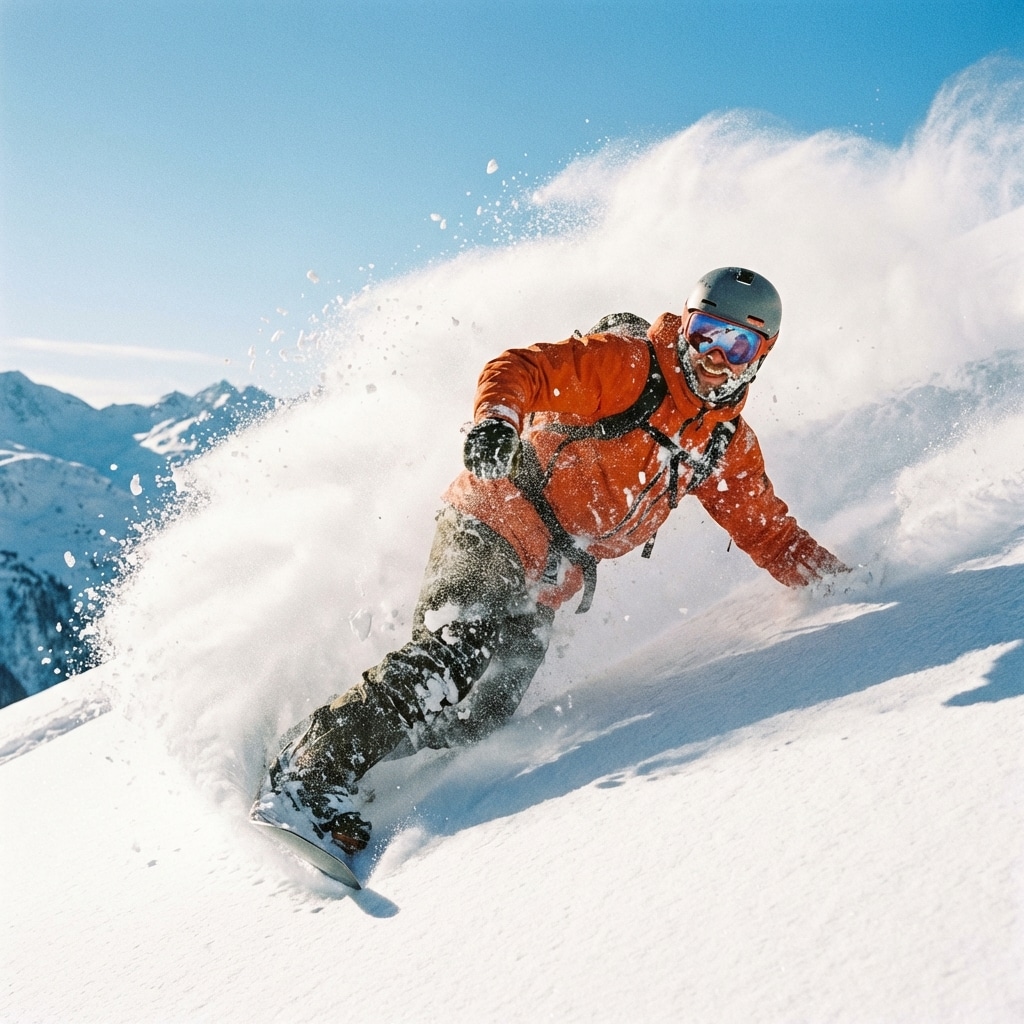
Riding powder is a magical experience, feeling like you’re floating. To master it, adopt a slightly wider, more centered stance, and lean back ever so slightly to keep the nose of your board from diving. Let the board do the work, and enjoy the surfy sensation.
Ice & Hardpack: The Edge Master’s Test
Icy conditions can be intimidating. The key here is maximum edge control. Keep your knees and ankles flexed deeply, putting consistent pressure on your edges to “dig in.” Reduce speed, make smaller turns, and maintain a low center of gravity for optimal stability.
Adding Flair: Progressing to Basic Snowboard Tricks
Once you’ve mastered the fundamentals, it’s natural to want to add some style. Basic tricks are a fantastic way to express yourself and add another dimension to your riding. These snowboarding tips will get you started.
Lift Off: Ollies and Nollies
Grabbing Air: Board Grabs
Beyond the Basics: Continuous Improvement on Your Snowboarding Journey
Your snowboarding journey doesn’t end with mastering these tips – it truly begins! The mountain offers endless opportunities for exploration and growth.
Conclusion: Your Ultimate Guide to Snowboarding Success
Snowboarding is more than just a sport; it’s a lifestyle, a thrill, and a profound connection with nature. By diligently applying these essential snowboarding tips, you’re not just learning techniques – you’re building a foundation for a lifetime of exhilarating rides.
From ensuring your safety with proper gear and mindful falling to perfecting your stance, carving clean lines, and even venturing into basic tricks, every step forward builds your confidence and skill. Remember, practice, patience, and a willingness to learn are your best allies on the slopes. So strap in, embrace the challenge, and happy boarding!