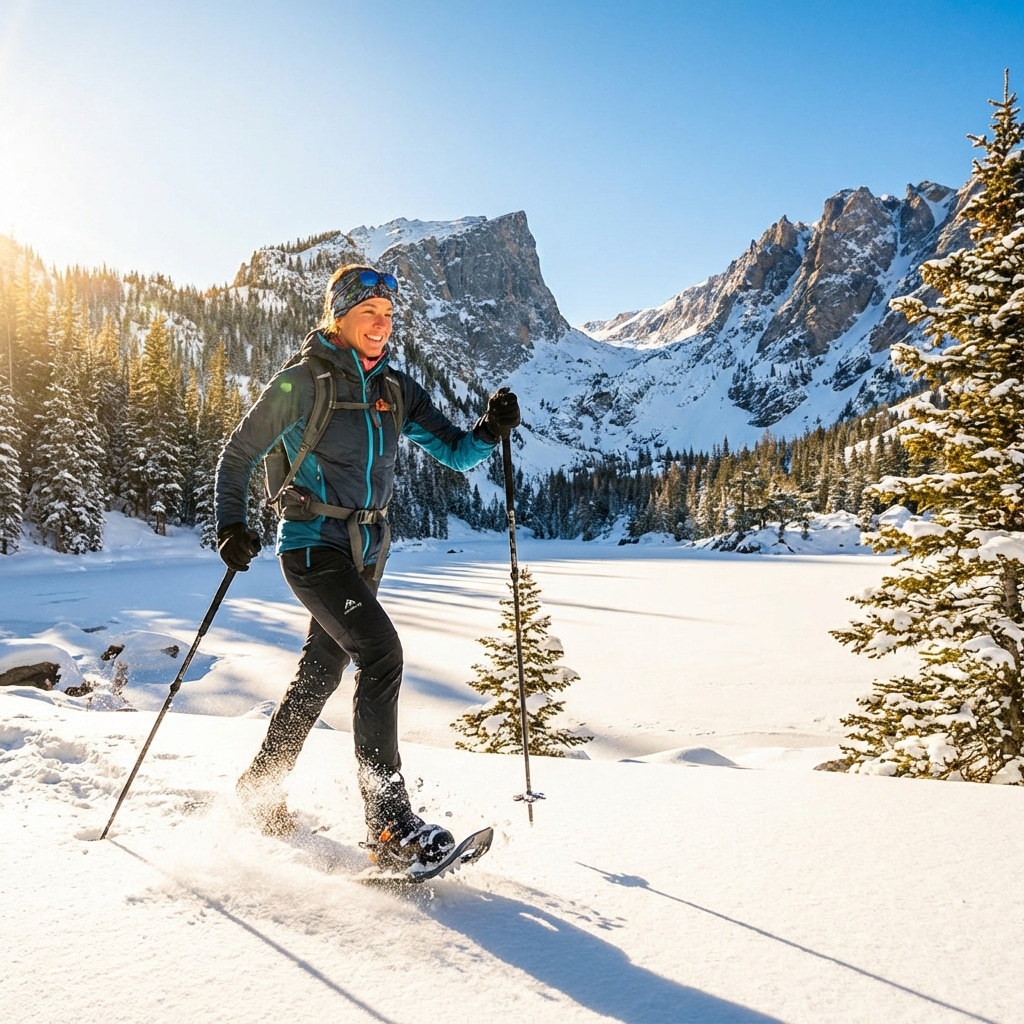
Imagine crunching through fresh snow, surrounded by a silent, glistening winter wonderland. Snowshoeing offers an incredible escape, allowing you to explore serene snowy landscapes with ease. But a less-than-ideal experience often starts from the ground up – specifically, with your footwear.
Cold, wet feet or uncomfortable boots can quickly turn a dream outing into a miserable trek, hindering your comfort and even compromising your safety. So, what kind of boots should you wear snowshoeing to ensure warmth, dryness, and stability on the trails? You’ve come to the right place.
Why Your Snowshoe Boots are Non-Negotiable
Your boots are the unsung heroes of your snowshoeing adventure. They protect your feet from the harsh elements, provide stability on uneven terrain, and ultimately dictate your comfort level. Skimping on quality here isn’t just uncomfortable; it can be downright dangerous in cold conditions.
Stay Warm: The Insulation Imperative
When temperatures drop and you’re surrounded by snow and ice, proper insulation is paramount for your snowshoeing boots. Look for boots packed with advanced insulating materials like Thinsulate, PrimaLoft, or even synthetic felt liners found in PAC boots. The goal is to trap warm air around your feet, preventing heat loss and warding off frostbite. Consider the temperature ratings of different boots relative to the coldest conditions you expect to encounter.
Stay Dry: The Waterproofing Essential
Wet feet are cold feet, and cold feet are miserable feet. High-quality waterproof boots are an absolute must for snowshoeing. Technologies like Gore-Tex, eVent, or proprietary waterproof membranes create a barrier that keeps melted snow and slush out while still allowing your feet to breathe. Ensure the waterproofing extends high enough to prevent snow from entering when you’re post-holing or moving through deep powder.
Stay Supported: Stability on Snowy Trails
Snowshoeing often involves traversing varied terrain, from gentle slopes to challenging ascents. Boots offering excellent ankle support are crucial to prevent twists and sprains, especially when carrying a pack or navigating uneven snow. Look for a stiff sole for efficient power transfer to your snowshoes, and ample cushioning (like EVA or proprietary foams) to absorb impact and reduce fatigue during long treks.
Top Boot Types for Snowshoeing Adventures
With the essentials covered, let’s explore the best categories of snowshoeing boots, each offering unique advantages depending on your specific needs and the intensity of your winter excursions.
Versatile Winter Hiking Boots
For most recreational snowshoers, winter hiking boots are the go-to choice. They strike an excellent balance of warmth, waterproofing, and agile ankle support without being overly heavy. Brands like Salomon, Merrell, Oboz, and Keen offer robust options designed to perform well in snowy, cold conditions, making them ideal for day trips or moderate backcountry adventures.
Rugged Mountaineering Boots
If your snowshoeing plans involve technical terrain, steep ascents, or multi-day expeditions in extreme cold, mountaineering boots are your powerhouse option. Built for unparalleled durability, superior warmth, and rigid ankle support, these boots are often compatible with crampons and excel in the harshest environments. Be aware, their stiffness and weight come at a higher cost and might be overkill for casual use.
Ultra-Warm PAC Boots
When extreme cold is the primary concern, PAC boots (like those famously made by Sorel, Baffin, or Kamik) truly shine. Characterized by a thick rubber bottom and a removable felt liner, they offer exceptional insulation and waterproofing for standing in deep snow or icy conditions. While incredibly warm, their bulkier design might feel less precise for technical snowshoeing and can be heavier for long distances.
What About Snowboard or Ski Boots?
A common question revolves around using snowboard or ski boots for snowshoeing. Generally, this is not recommended. Snowboard boots are designed for lateral flexibility and specific bindings, often lacking the necessary forward flexion and lugged sole for comfortable walking. Alpine ski boots are far too rigid and heavy for any meaningful walking. Stick to footwear designed for walking and winter traction.
Do You Need “Snowshoe-Specific” Boots? The Truth.
The good news is, you likely don’t need a boot marketed specifically as a “snowshoe boot.” Many high-quality winter hiking, mountaineering, or PAC boots will serve you perfectly. The key is to ensure your chosen footwear meets the critical criteria: warmth, waterproofing, and excellent support for your type of snowshoeing.
Prioritizing Fit: Your Comfort, Your Safety
Even the best boots are useless if they don’t fit correctly. A proper fit is paramount for preventing blisters, discomfort, and even cold spots. Here’s how to ensure you get it right:
Always Try with Winter Socks: Bring the exact socks you plan to wear snowshoeing (wool or synthetic, medium to heavy thickness) when trying on boots. This ensures an accurate fit and accounts for insulation.
Check for Toe Room: You should have about a thumb’s width of space between your longest toe and the end of the boot. This prevents your toes from banging when descending and allows for adequate insulation.
Heel Lock and Ankle Snugness: Your heel should feel secure with minimal lift when walking. The ankle cuff should be snug without pinching, providing support without restricting natural movement.
Walk Around: Mimic walking motions, climb stairs, and even try a slight incline if possible. Pay attention to any pressure points or rubbing.
Shop Later in the Day: Your feet swell throughout the day, so trying on boots in the afternoon or evening can help you find a more accurate fit.
Key Features to Elevate Your Snowshoeing Experience
Beyond the core requirements, a few additional features can significantly enhance your time on the snowy trails, making your snowshoeing boots even more functional and comfortable.
Gaiter Compatibility: Your Secret Weapon Against Deep Snow
Gaiters are fabric sleeves that go over your boots and lower pant legs, forming an impenetrable seal against snow. Ensure your chosen boots have a gaiter trap or a design that allows gaiters to fit snugly, preventing snow from falling into your boots when you’re breaking trail in deep powder.
Traction Beyond the Snowshoe: When Grip Matters
While your snowshoes provide primary traction, there will be times you’re walking without them – approaching the trailhead, navigating icy patches, or even just kicking around camp. Boots with aggressive, deep lugs and a high-traction rubber compound (like Vibram Arctic Grip or proprietary winter-specific soles) will keep you stable and upright when not clipped into your snowshoes.
Weight vs. Performance: Finding Your Balance
Heavier boots often mean more warmth, support, and durability, but they can also lead to fatigue on longer treks. Lighter boots offer agility and less strain but might compromise on extreme warmth or ruggedness. Consider your typical snowshoeing distances and terrain when balancing boot weight with desired performance.
Lacing Systems & Cuff Height
Modern snowshoeing boots offer various lacing systems, from traditional laces to speed hooks, D-rings, and even BOA systems. Choose one that allows for quick, secure adjustments and easy tightening, even with gloved hands. Additionally, look for a cuff height that comes high enough above your ankle to offer ample support and prevent snow ingress, without impeding natural movement.
Making Your Final Decision: Your Ideal Snowshoe Boot Awaits
Choosing the right boots for snowshoeing is a crucial step towards an enjoyable and safe winter adventure. It’s not about finding a “one-size-fits-all” solution, but rather identifying the best match for your specific needs, the conditions you’ll face, and your personal comfort.
Remember to prioritize warmth, waterproofing, and support above all else. Whether you opt for the versatility of winter hiking boots, the ruggedness of mountaineering boots, or the extreme warmth of PAC boots, a proper fit and consideration of additional features will make all the difference.
Invest wisely in your snowshoeing footwear, and your feet will thank you with many miles of comfortable, dry, and memorable winter exploration. Get out there and embrace the snow!