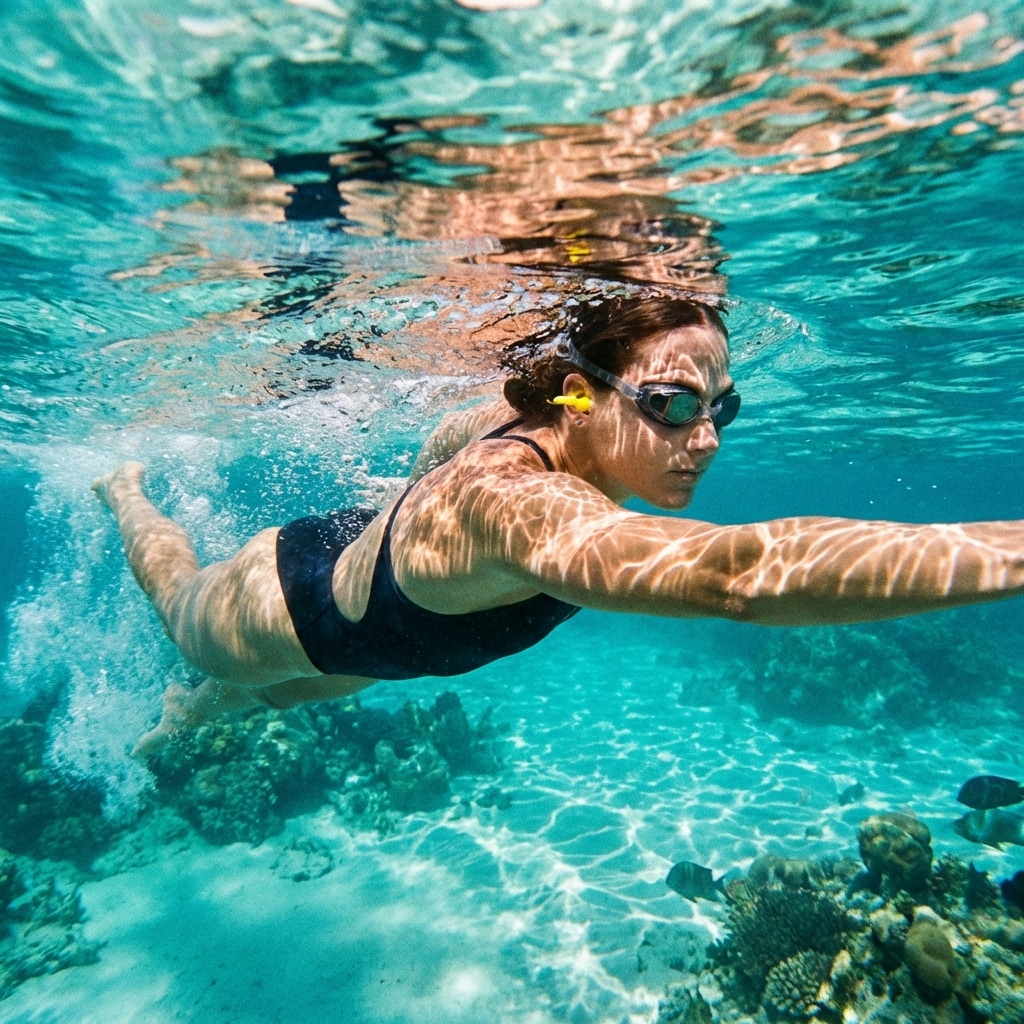
Tired of high-impact workouts that leave your joints aching? Or perhaps you’re seeking a refreshing, full-body fitness solution that truly delivers? Look no further than the pool. Swimming is far more than just a leisure activity; it’s a powerful, low-impact exercise that engages every major muscle group, transforming your strength, stamina, and overall well-being.
Whether you’re new to the water or a seasoned swimmer looking to intensify your routine, mastering the right techniques and exercises is key. But with so many strokes and drills, where do you begin? We’ll dive deep into the best swimming exercises to consider, ensuring you make the most of your time in the water.
Why Choose Swimming for a Full-Body Workout?
Swimming stands out as a unique form of exercise, offering a myriad of health benefits without the harsh impact associated with land-based activities. It’s a holistic workout that builds strength, improves cardiovascular health, and boosts flexibility. The buoyancy of water supports your body, making it ideal for individuals of all ages and fitness levels, including those recovering from injuries.
Low-Impact: Gentle on joints, perfect for injury recovery or prevention.
Full-Body Engagement: Works nearly every muscle, from head to toe.
Cardiovascular Boost: Strengthens your heart and lungs efficiently.
Enhanced Flexibility: Promotes a greater range of motion and overall suppleness.
Increased Endurance: Builds stamina and improves physical resilience.
Getting Started: Essential Swimming Exercises for Beginners
For those just dipping their toes into the aquatic fitness world, mastering the fundamental strokes is crucial. These exercises build a strong foundation, enhance water confidence, and gently introduce your body to a full-body workout.
1. Freestyle Fundamentals
Often the first stroke learned, freestyle (or front crawl) is excellent for cardiovascular endurance and targets the shoulders, chest, and core. Focus on a strong, consistent kick originating from your hips, a streamlined body position, and controlled breathing techniques. Practicing proper breathing is vital for sustained swimming.
2. Mastering the Breaststroke
The breaststroke is slower but highly effective for building stamina and muscular strength in the chest, triceps, glutes, and hamstrings. Its distinctive “frog kick” and synchronized arm movements make it a great stroke for beginners to develop coordination and powerful leg drive.
3. Backstroke for Balance & Posture
Swimming on your back helps balance your muscle development, especially if you spend a lot of time in forward-focused activities. The backstroke strengthens your upper back, lower back, and legs, significantly improving posture and potentially alleviating back pain. Keep your core engaged and hips high for optimal benefits.
Level Up: Advanced Swimming Workouts & Techniques
Ready to push your limits? Advanced swimming exercises are designed to challenge your strength, speed, and endurance, taking your aquatic fitness to the next level.
1. Conquering the Butterfly Stroke
Considered the most challenging stroke, the butterfly demands significant upper body strength, particularly in the shoulders, chest, and back. The powerful “dolphin kick” requires immense core and leg engagement, making it an ultimate full-body conditioning exercise for seasoned swimmers.
2. Ignite Your Metabolism with Interval Training
Incorporating interval training into your swim routine boosts cardiovascular fitness and endurance more rapidly. Alternate between high-intensity bursts (e.g., swimming one length at maximum speed) and periods of active recovery (e.g., swimming the next length at a relaxed pace). This method significantly improves speed and stamina.
3. Refine Your Technique with Swim Drills
Drills focus on specific aspects of your stroke, improving efficiency, power, and form. For instance, “fist swimming” (swimming with clenched fists) forces you to rely on forearm positioning, enhancing your “catch.” “One-arm swimming” helps improve stroke symmetry and core rotation.
Boost Your Workout: Specialized Swimming Equipment & Drills
Utilizing specialized equipment can target specific muscle groups and amplify the intensity of your swimming exercises. These tools are perfect for adding variety and focusing on areas that need extra attention.
1. Kickboard Drills for Leg Power
A kickboard isolates your lower body, allowing you to focus purely on improving your kicking technique, speed, and endurance. Hold the kickboard out in front of you and propel yourself using only your legs, experimenting with different kick styles like flutter, breaststroke, or dolphin kicks.
2. Paddles & Pull Buoys: Target Your Upper Body
Hand paddles increase water resistance, intensifying your upper body workout by making your arm strokes more challenging. Conversely, a pull buoy, placed between your legs, keeps them afloat, allowing you to focus solely on arm strength and technique without the need for kicking. Combine them for a comprehensive upper-body session.
3. Dynamic Treading Water for Core Strength
More than just a survival skill, treading water is an excellent full-body workout, vigorously engaging your core, legs, and arms. Incorporate intervals of high-intensity treading (e.g., sculling rapidly) with periods of slower, controlled movements to boost endurance and dynamic stability.
Beyond the Burn: Holistic Benefits of Swimming
The advantages of incorporating swimming exercises extend far beyond physical strength and endurance. Regular aquatic workouts offer profound benefits for your overall health and mental well-being.
Improved Cardiovascular Health
Swimming is an unparalleled cardiovascular exercise. It elevates your heart rate and oxygen intake, strengthening your heart muscle and improving circulation without putting stress on your joints. This makes it ideal for heart health and managing conditions like high blood pressure.
Enhanced Flexibility and Balance
The expansive range of motion required by various swimming strokes naturally enhances overall flexibility. The water’s buoyancy supports your body, allowing for greater freedom of movement and improving balance and coordination in ways land-based exercises cannot.
Boost Your Mental Wellness
The rhythmic nature of swimming, combined with the soothing sensation of water, makes it a powerful stress reliever. It has been scientifically shown to reduce anxiety, combat depression, and improve mood. The meditative aspect of swimming can also foster mindfulness and mental clarity.
Pro Tips for Your Swimming Journey
Warm-Up & Cool-Down: Always begin with light stretches and a few easy laps, and end with gentle swimming and stretching to prevent injury.
Stay Hydrated: Even though you’re in water, your body still sweats. Drink plenty of water before, during, and after your swim.
Focus on Form: Proper technique is more important than speed, especially for beginners. Consider a few lessons to refine your strokes.
Listen to Your Body: Rest when needed and gradually increase intensity to avoid overtraining or injury.
Consistency is Key: Aim for 2-3 swimming sessions per week to see consistent progress and long-term benefits.
Dive Into Your Fittest Self: Conclusion
Incorporating swimming exercises into your fitness routine offers a diverse range of benefits, from full-body strength and unparalleled cardiovascular health to enhanced flexibility and profound mental well-being. Whether you’re a beginner or an advanced swimmer, there’s a swimming exercise tailored for every level and goal.
Swimming exercises are not just another fitness trend; they are a timeless, effective, and enjoyable path to a balanced and healthier lifestyle. Grab your swimsuit, make waves, and discover how a regular swimming routine can truly transform your body and mind. It’s time to dive in!