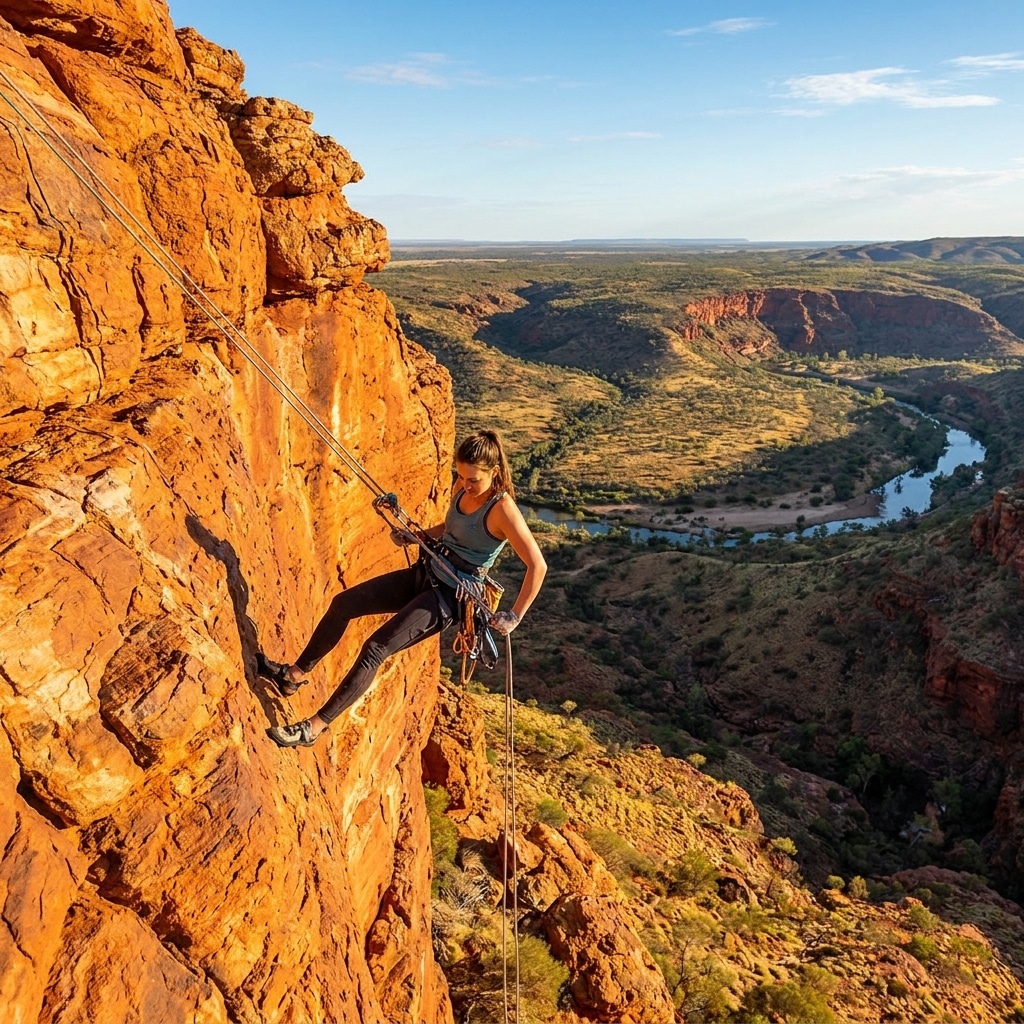
Tree climbing might conjure images of childhood adventures and scraped knees, but it’s a powerful, skill-based discipline offering far more than just a nostalgic thrill. From professional arborists maintaining urban forests to outdoor enthusiasts seeking unique challenges and individuals focused on holistic fitness, tree climbing training provides a profound connection to nature, exceptional physical benefits, and vital safety skills.
If you’ve ever dreamt of reaching new perspectives or mastering a truly unique outdoor pursuit, understanding the fundamentals of tree climbing training is your first step. This comprehensive guide will equip you with the knowledge to safely and confidently embark on your journey skyward, transforming how you interact with the natural world.
Beyond the Backyard: Why Tree Climbing Training is a Game-Changer
Tree climbing isn’t just about scaling trunks; it’s a holistic endeavor that engages your body, mind, and spirit. It offers a unique blend of adventure and practical skill development that few other activities can match.
Boost Your Physical Prowess
Recreational tree climbing delivers an incredible full-body workout. It significantly enhances cardiovascular health, builds core strength, and develops crucial muscle groups in your arms, legs, and back. The dynamic, functional movements involved also dramatically improve flexibility and balance.
Unlike static gym routines, tree climbing engages your proprioception, making it an ideal form of natural, functional exercise. You’ll build endurance and agility as you navigate branches and ascend ropes, transforming your physique and overall fitness level.
Sharpen Your Mind & Soothe Your Soul
The focused concentration required for safe tree climbing is an excellent mental exercise. It improves problem-solving skills, spatial awareness, and the ability to assess risks in real-time. This heightened focus can translate to better concentration in other areas of your life.
Furthermore, connecting with nature from a unique vantage point has profound mental health benefits. The tranquility found high in a canopy can significantly reduce stress and anxiety, fostering a sense of peace and mindfulness that is increasingly vital in our busy lives.
Unlock Professional & Practical Skills
For professionals, tree climbing training is often a non-negotiable skill. Arborists, tree care specialists, foresters, and even search and rescue teams rely on expert climbing techniques for their daily operations. Proper training ensures both efficiency and, more importantly, safety in demanding work-at-height scenarios.
Beyond professional use, these skills offer immense practical value. Understanding rope work, knot tying, and safe climbing practices empowers individuals with self-reliance in various outdoor situations, from setting up hammocks at height to retrieving stuck drones.
Essential Gear for a Safe Ascent: What You Need to Climb Confidently
Safety and performance in tree climbing are inextricably linked to having the right equipment. Investing in quality, purpose-built gear is paramount before you ever leave the ground.
The Foundation: A Specialized Climbing Harness
Your climbing harness is your primary connection to the rope system and provides crucial support and comfort. Unlike rock climbing harnesses, tree climbing harnesses (often called arborist saddles) are designed for extended wear and offer multiple attachment points. Look for ergonomic designs that distribute weight evenly, allowing you to work or rest comfortably in the canopy.
Your Lifeline: Choosing the Right Climbing Rope
Not all ropes are created equal for tree climbing. Static or low-stretch kernmantle ropes are generally preferred for ascending trees as they provide a stable platform and minimize bounce. They are distinct from dynamic ropes used in lead rock climbing, which are designed to stretch significantly to absorb fall forces.
Ensure your rope is rated for climbing, abrasion-resistant, and the appropriate diameter (typically 11-13mm) for your devices. Regular inspection for frays, cuts, or unusual wear is crucial for your safety.
Crucial Connectors: Carabiners, Ascenders, and Descenders
**Carabiners:** These are your versatile connectors, linking your harness to ropes, devices, and other equipment. Always use climbing-rated, locking carabiners to prevent accidental gate opening. Look for triple-action or screw-gate locking mechanisms for maximum security.
**Ascenders:** Mechanical devices like a mechanical Prusik or handled ascenders allow you to climb the rope by “walking” it up. They grip the rope when weighted and slide freely when unweighted, making upward progress efficient.
**Descenders (or Rappel Devices):** Essential for a controlled descent, these devices create friction on the rope, allowing you to lower yourself smoothly and safely from the tree. Common types include the figure-eight, ATC, or more advanced arborist-specific devices.
Personal Protective Equipment (PPE)
Helmet: A climbing-specific helmet protects your head from falling debris and impacts.
Gloves: Protect your hands from rope burn, splinters, and blisters, while also improving grip.
Eye Protection: Safety glasses or goggles are advisable to shield your eyes from twigs and sawdust.
Your First Steps Up: A Beginner’s Guide to Tree Climbing Training
Embarking on your tree climbing journey requires a methodical approach. Starting with the basics and progressing safely is the key to building confidence and mastering the techniques.
Master the Fundamentals: Ground School Essentials
Before you even think about ascending, dedicate time to “ground school.” This involves learning essential knots like the Bowline, Figure-Eight (follow-through and on a bight), Clove Hitch, and various friction hitches (e.g., Prusik, Blake’s Hitch). Practice tying them correctly and efficiently until they become second nature.
Understand your equipment setup on the ground, practicing how to attach your harness, devices, and ropes. Familiarize yourself with how each piece works and its role in the climbing system.
Selecting Your Training Tree Wisely
Your choice of tree for initial training is critical for safety. Look for a healthy, mature tree with a sturdy trunk and strong, live branches capable of bearing your weight plus dynamic forces. Avoid trees with obvious hazards like dead limbs, weak crotches, or proximity to power lines.
Ensure the area around the tree is clear of obstacles or sharp objects in case of a fall. A clear “drop zone” is essential for beginner training.
Start Small, Climb Smart: The Progressive Approach
Begin your climbing practice with very low ascents, focusing on perfecting your rope installation, knot tying, and body positioning. Pay attention to your footwork, finding secure stances and efficient ways to move your body upwards.
Gradually increase your height as your comfort, strength, and technique improve. The goal is consistent, controlled movement, not simply reaching the top quickly. Master one technique before moving to the next.
The Value of Expert Guidance: Why a Certified Course Matters
While self-study is a start, nothing replaces hands-on instruction from a certified tree climbing instructor. A professional course will teach you industry best practices, advanced techniques, emergency procedures, and nuanced safety protocols that might be overlooked by a beginner.
Instructors provide personalized feedback, correct bad habits early, and guide you through safe progression. This invaluable mentorship accelerates your learning and significantly reduces the risk of accidents.
Safety First, Always: Non-Negotiable Rules for Every Climb
Safety is the cornerstone of responsible tree climbing. Adhering to strict safety protocols is not just a recommendation; it’s a requirement for a rewarding and incident-free experience.
Pre-Climb Inspection: Your Gear’s Health Check
Before every single climb, meticulously inspect all your equipment. Check ropes for cuts, excessive wear, or soft spots. Examine carabiners for cracks or gates that don’t close properly. Verify your harness stitching and buckles. Any compromised equipment must be retired immediately.
Never Climb Alone: The Buddy System
Always climb with a partner or a ground support person. In an emergency, having someone on the ground who understands the rescue plan and can provide assistance is absolutely critical. They can also double-check your knots and setup.
Environmental Awareness: Reading the Tree and Weather
Beyond your gear, continuously assess the environment. Understand the specific tree’s structure and health. Monitor weather conditions for sudden changes like high winds, rain, or lightning, which can make climbing extremely hazardous. When in doubt, don’t climb.
Continuous Learning & Protocol Adherence
Tree climbing is an evolving discipline. Stay updated with the latest safety techniques, equipment advancements, and best practices. If climbing professionally, always adhere to local and national safety standards and regulations for tree work.
Ready to Reach New Heights?
Tree climbing training is a uniquely fulfilling pursuit that promises a potent blend of physical challenge, mental engagement, and an unparalleled connection with nature. It’s a journey that builds strength, sharpens focus, and offers breathtaking perspectives.
With the right training, quality equipment, and an unwavering commitment to safety, you can confidently ascend to new heights. So, prepare your gear, find your guide, and embark on an adventure that will redefine your outdoor experience. Happy climbing!