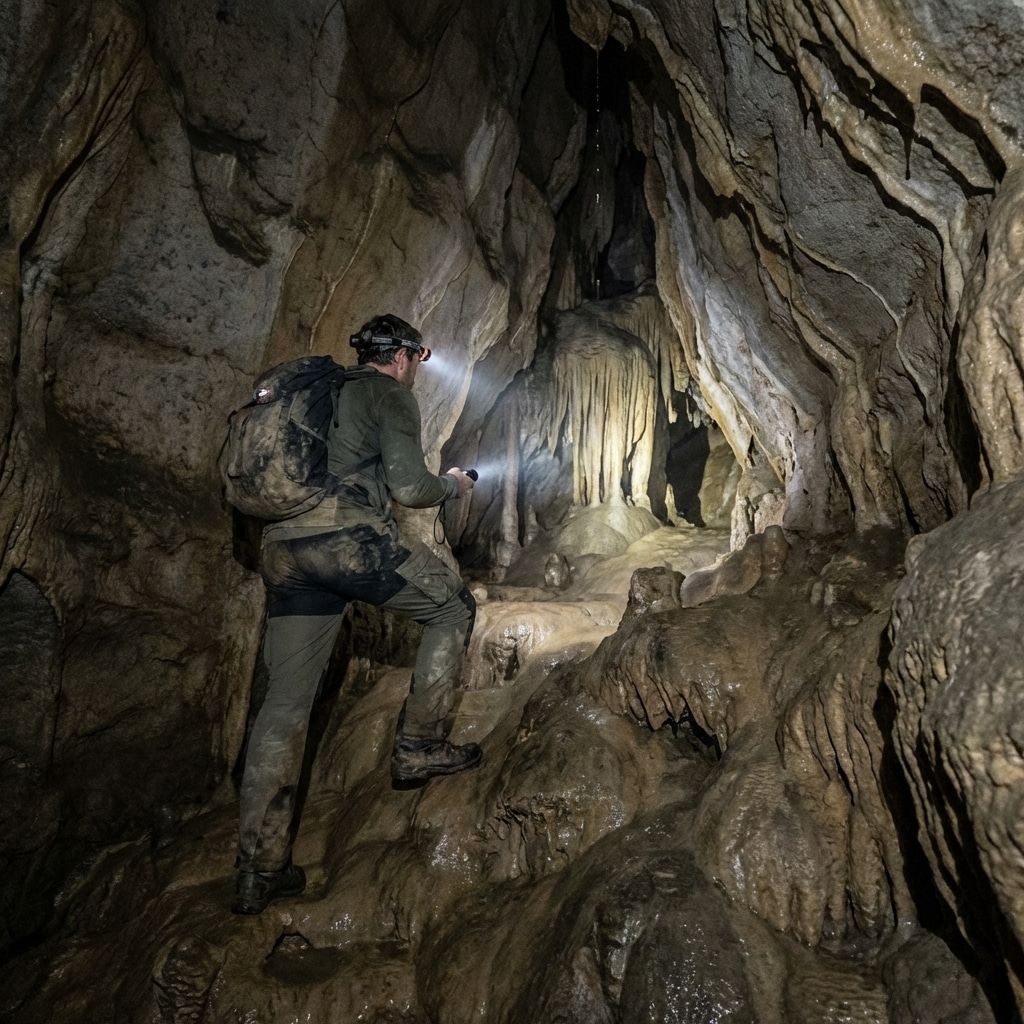
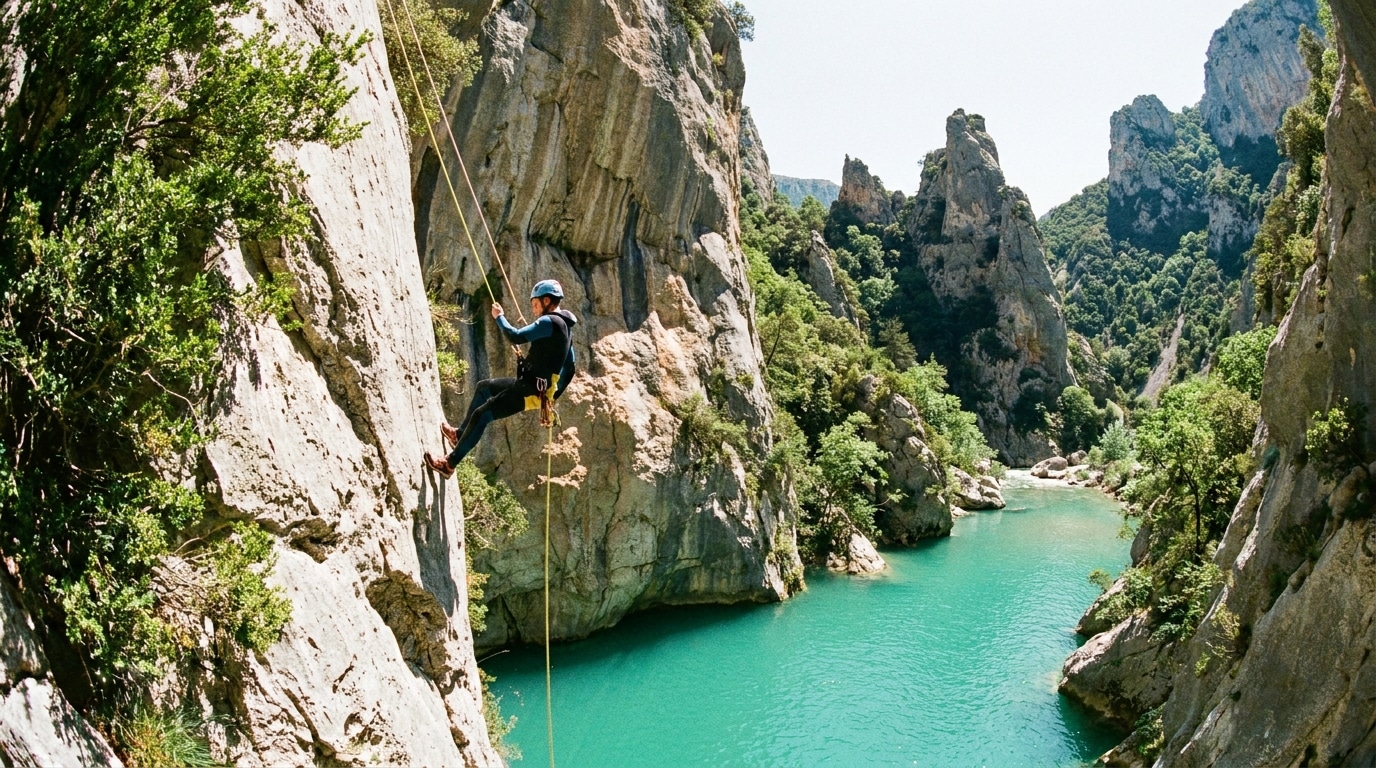
Embarking on a trekking adventure is an exhilarating experience, but it demands meticulous preparation. While stunning vistas and challenging trails await, the wrong gear can quickly turn an epic journey into a grueling ordeal. Among the most crucial pieces of equipment, your trekking bag stands paramount. It’s not just a carrier for your essentials; it’s your portable home, your lifeline, and your comfort on the trail.
With an overwhelming array of options available, selecting the ideal trekking bag can feel like a trek in itself. But don’t worry, we’re here to cut through the confusion. This comprehensive guide will equip you with the knowledge to choose a trekking bag that perfectly suits your needs, ensuring every outdoor escapade is safe, comfortable, and truly unforgettable.
Why Your Trekking Bag Matters: Beyond Just Carrying Stuff
Think of your trekking bag as your silent partner on the trail. A poorly chosen backpack can lead to chafing, back pain, and an unbalanced load, draining your energy and enjoyment. Conversely, a well-fitted, feature-rich hiking backpack enhances your endurance, keeps your gear organized, and protects your valuables from the elements.
Investing time in choosing the right adventure backpack pays dividends in comfort, safety, and overall trekking success. It allows you to focus on the beauty around you, not the discomfort on your shoulders.
Decoding the Essentials: What Makes a Great Trekking Bag?
When you’re sifting through countless options, knowing what to prioritize is key. Here are the fundamental features that define a top-tier trekking bag.
Capacity: How Much Space Do You Really Need?
The volume of a trekking bag, measured in liters, is arguably the most critical decision. This should directly correlate with the length and nature of your trip. Overpacking leads to unnecessary weight, while under-packing leaves you unprepared.
Day Hikes (10-30 Liters): Perfect for short excursions, carrying water, snacks, a light jacket, and essentials like a first-aid kit.
Weekend / Overnight Treks (30-50 Liters): Ideal for 1-2 nights, accommodating a sleeping bag, minimalist shelter, extra clothing, and food.
Multi-Day Treks (50-70 Liters): Suited for 3-5 day adventures, with space for more food, clothing layers, and camping equipment.
Expeditions / Thru-Hikes (70+ Liters): Required for longer journeys, winter treks, or when carrying specialized gear like climbing equipment or extended food supplies.
The Fit Factor: Comfort is Non-Negotiable
A comfortable trekking bag feels like an extension of your body, not a burden. Look for advanced suspension systems that distribute weight effectively and minimize strain.
Adjustable Torso Length: This allows you to fine-tune the bag’s fit to your specific back length, a critical feature for personalized comfort.
Padded Hip Belt: A well-padded and stiff hip belt transfers up to 80% of the bag’s weight to your hips, relieving your shoulders.
Shoulder Straps: Ensure they are contoured, padded, and don’t dig into your shoulders, even with a full load.
Load Lifter Straps: Located on top of the shoulder straps, these pull the top of the pack closer to your body, improving stability and reducing sway.
Sternum Strap: Connects the shoulder straps across your chest, preventing them from sliding outwards and enhancing stability.
Gender-Specific Designs: Many brands offer packs designed to better fit male and female anatomies, with differences in torso length, hip belt shape, and shoulder strap curvature.
Durability & Material: Built to Withstand the Wild
Your trekking bag will face scrapes, thorns, and unpredictable weather. Robust construction and quality materials are paramount for longevity.
Nylon & Polyester: These are the workhorses of backpack materials, known for being lightweight, abrasion-resistant, and quick-drying. Look for higher denier counts (e.g., 400D, 600D) for increased toughness.
Ripstop Fabric: Often integrated into nylon, ripstop weaves prevent small tears from expanding, adding a crucial layer of durability.
Water Resistance: While most fabrics offer some water resistance, look for bags with DWR (Durable Water Repellent) coatings or integrated rain covers to protect your gear from downpours.
Quality Zippers: YKK zippers are the industry standard for their reliability and smooth operation, even in dirty conditions.
Reinforced Stitching: Pay attention to critical stress points like shoulder strap attachments and hip belt connections; these should have robust, reinforced stitching.
Organization & Accessibility: Your Gear, When You Need It
Efficient packing and quick access to essentials can make a huge difference on the trail. Smart compartment design is key.
Multiple Compartments: Separate sections for sleeping bags, dirty clothes, or shoes help keep your pack tidy.
Front Access / U-Zip Opening: Allows you to access items at the bottom of your pack without unpacking everything from the top.
Top Lid Pockets: Perfect for frequently accessed items like snacks, maps, headlamps, and sunscreen.
Stretch Pockets: Side and front mesh pockets are excellent for water bottles, wet rain gear, or extra layers.
Hip Belt Pockets: Ideal for small items you need immediately, such as a phone, GPS, or energy gels.
Smart Features That Elevate Your Trek
Beyond the basics, certain additional features can significantly enhance your trekking experience, offering convenience and specialized functionality.
Hydration Systems: Stay Quenched on the Go
Maintaining hydration is paramount on any trek. Many modern hiking backpacks are designed to integrate seamlessly with hydration reservoirs.
Look for a dedicated internal sleeve for a water bladder and a convenient port for routing the drinking hose to your shoulder strap. This allows for continuous hydration without stopping to dig out a water bottle.
External Attachment Points: Expand Your Carry
When internal space is at a premium, external loops and straps become invaluable. They allow you to securely attach bulkier items that don’t fit inside or that you need quick access to.
Common attachment points include daisy chains, gear loops, compression straps, trekking pole loops, and ice axe loops. These are perfect for carrying sleeping pads, tents, or technical tools.
Ventilation: Keep Your Back Cool & Dry
Sweaty backs are a common complaint among trekkers. Effective ventilation systems combat this by promoting airflow between your back and the pack.
Look for features like suspended mesh back panels, air channels, or ventilated foam padding to minimize perspiration and maximize comfort, especially in warmer climates.
Rain Protection: Battling the Elements
Weather can change rapidly in the wilderness. Protecting your gear from rain is essential. Many quality trekking bags come with an integrated rain cover, usually stored in a dedicated bottom pocket.
This cover can be quickly deployed when the skies open up, safeguarding your belongings. For added protection, consider waterproof stuff sacks for critical items.
Choosing Your Perfect Companion: A Step-by-Step Guide
With so many features to consider, how do you narrow down the choices to find *your* ultimate trekking bag?
Assess Your Trekking Style & Duration
Be honest about your typical adventures. Are you a weekend warrior, a dedicated multi-day trekker, or an aspiring thru-hiker? Your primary use will dictate the necessary capacity and feature set. Also, consider your packing style: ultralight minimalists will need less space than comfort-focused hikers.
Consider Terrain & Climate
Will you be navigating dense forests, rocky alpine trails, or hot desert expanses? Rugged, waterproof bags are crucial for demanding environments, while lighter, more breathable options are better suited for humid or warm conditions. Think about potential hazards like sharp rocks or heavy rainfall.
Try Before You Buy: The Importance of a Test Fit
This step is non-negotiable. Visit an outdoor gear store and try on several different models. Ask the staff to load the bags with weight (around 15-20 lbs for a medium-sized pack) to simulate a real-world scenario.
Adjust all straps – shoulder, hip, load lifters, and sternum. Walk around the store, bend over, and ensure there are no pressure points or uncomfortable rubbing. A bag that feels great empty might feel awful when fully packed.
Conclusion: Your Adventure Awaits
Choosing the right trekking bag is an investment in your comfort, safety, and overall enjoyment of the outdoors. By carefully considering capacity, fit, durability, and practical features, you’ll find a hiking backpack that becomes a trusted companion on countless adventures.
Don’t rush the decision. Take your time, assess your needs, and prioritize personal comfort. With the perfect trekking bag strapped to your back, you’re not just carrying gear; you’re carrying the promise of unforgettable experiences. Happy trekking!