Fishing isn’t just a way to pass the time; it’s a profound journey into nature, a test of patience, and a timeless connection to our primal instincts. Among the myriad ways to pursue aquatic life, one method stands out for its elegance, history, and widespread appeal: angling. But what does angling truly mean, and why has it captivated hearts for millennia?
Join us as we cast a line into the depths of this beloved activity, exploring its definition, rich history, diverse techniques, and the deeper philosophy that makes it so much more than just a sport.
What is Angling? The Definitive Answer
At its core, angling is a specific method of fishing that employs an “angle” – commonly known as a fishing hook. This hook is typically attached to a fishing line, which is then usually connected to a rod. It’s a precise and intentional approach, distinct from netting or trapping.
While angling can provide sustenance, its modern practice largely revolves around recreation, sport, and the sheer joy of the outdoors. It’s a captivating blend of skill, strategic thinking, and profound appreciation for the natural world. Many find it a meditative escape, a quiet communion with water and wildlife.
A Journey Through Time: The Ancient Roots of Angling
The act of angling isn’t a modern invention; it’s deeply woven into the tapestry of human history. Our ancestors discovered its effectiveness thousands of years ago, long before the invention of reels or synthetic lines.
From Bone Hooks to Modern Gear: Angling’s Enduring Legacy
Evidence suggests angling dates back to at least 2000 BCE, with depictions found in ancient Egyptian tomb paintings. Early anglers crafted rudimentary hooks from bone, stone, or wood, demonstrating ingenuity that laid the groundwork for today’s sophisticated equipment. The fundamental principle – enticing a fish with a baited hook – has remained remarkably consistent.
This ancient practice found its way into literature as well. One of the earliest English texts on the subject, “The Treatyse of Fysshynge wyth an Angle” (1496), not only detailed various fishing methods but also touched upon the ethical treatment of fish. This historical reference highlights that the philosophical dimensions of angling have been cherished for centuries, emphasizing respect for the quarry and the environment.
Mastering the Craft: Essential Angling Techniques and Equipment
Modern angling offers a rich spectrum of techniques and specialized gear, allowing enthusiasts to adapt to any environment or target species. Understanding these tools and methods is key to a successful and enjoyable experience on the water.
Your Gear: Rods, Reels, Lines, and Hooks
The basic setup for angling includes a fishing rod, a reel, a fishing line, and the essential hook. Each component comes in countless variations, designed to optimize performance for different types of fishing. For instance, fly fishing demands lightweight, flexible rods, while saltwater big-game angling requires heavy-duty equipment.
The Art of Attraction: Bait vs. Lures
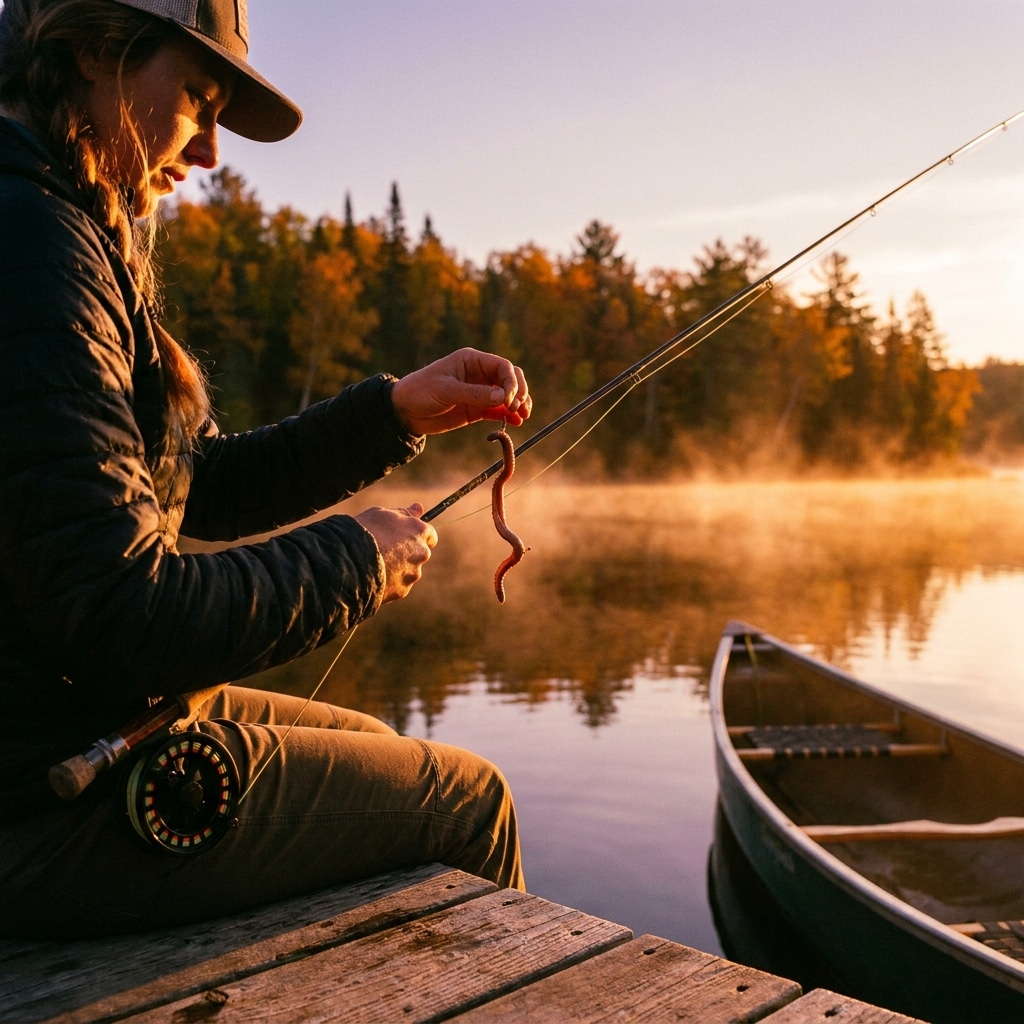
Choosing what to put on your hook is a crucial decision for any angler. You can opt for live bait, such as worms, minnows, or crickets, which naturally attract fish with their movement and scent. Alternatively, artificial lures mimic prey through their design, color, and action, enticing strikes from predatory fish. Success often hinges on experimenting to find what fish are feeding on in a specific location and time.
Diverse Approaches: Popular Angling Techniques
Angling encompasses a wide array of specialized techniques, each offering a unique challenge and reward:
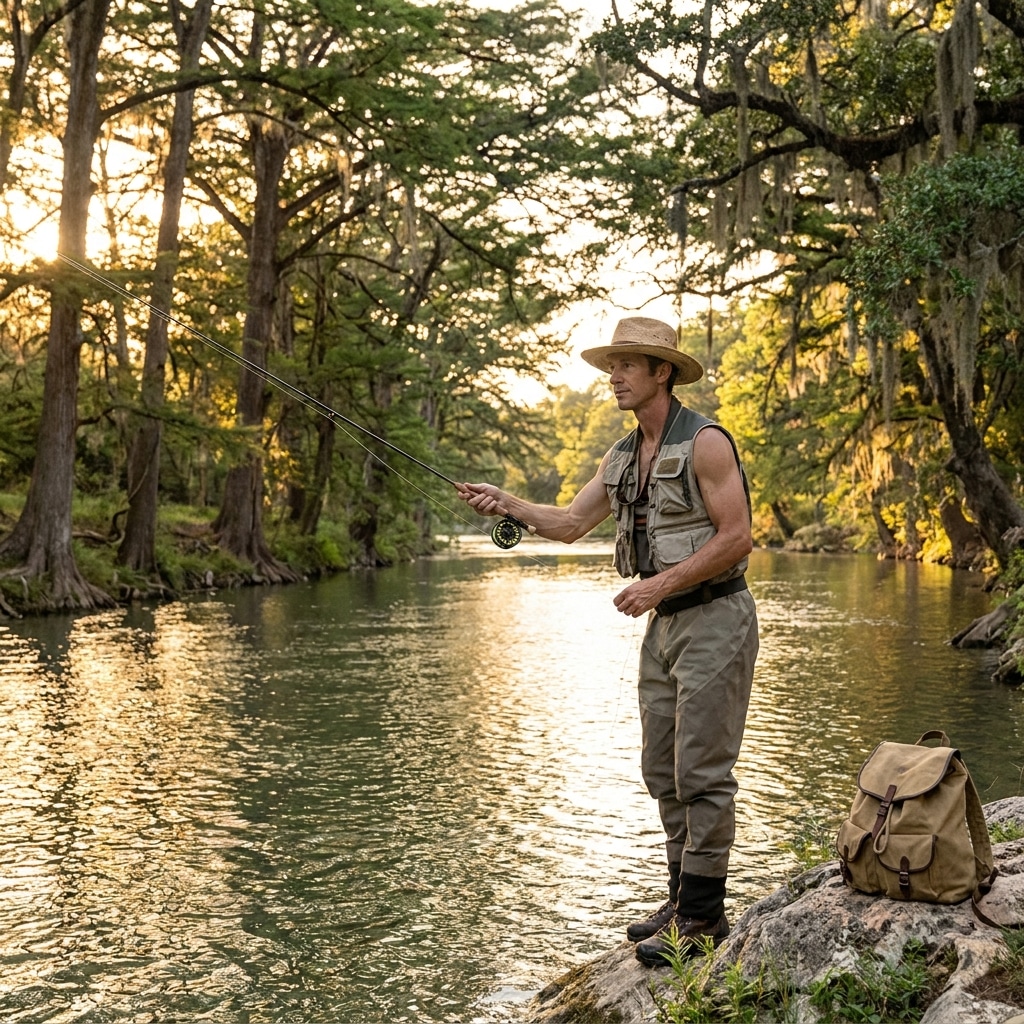
Fly Fishing: This elegant method involves casting a lightweight “fly” (lure) that imitates insects, often used for trout and salmon in rivers and streams.
Baitcasting: Popular for bass and other freshwater game fish, baitcasting uses a reel positioned on top of the rod, allowing for precise casts and powerful retrieves.
Spin Fishing: Perhaps the most common technique, spin fishing uses a spinning reel beneath the rod, known for its versatility and ease of use with various baits and lures.
Trolling: Primarily done from a boat, trolling involves dragging lures or baited hooks through the water at specific depths and speeds to cover large areas and attract pelagic species.
Ice Fishing: A unique winter pursuit where anglers drill holes into frozen bodies of water and drop lines, often using short rods and specialized jigs to catch fish below the ice.
Beyond the Catch: The Ethics, Philosophy, and Conservation of Angling
Angling is more than just the pursuit of fish; it’s often accompanied by a deep respect for nature and a commitment to preserving aquatic ecosystems. This ethical dimension has become a cornerstone of modern fishing culture.
The Heart of Sustainability: Catch and Release
A prevalent practice among contemporary anglers is catch and release. This method involves carefully landing a fish, unhooking it with minimal harm, and promptly returning it to the water to survive. It’s a vital strategy for maintaining healthy fish populations, ensuring species sustainability, and preserving the quality of fishing locales for future generations.
Anglers as Stewards: Driving Conservation Efforts
Far from being passive participants, anglers are often at the forefront of conservation efforts. Many actively engage in programs that monitor fish populations, clean up natural habitats, and advocate for responsible environmental policies. The philosophy inherent in angling fosters a profound respect for nature, urging practitioners to become active stewards of our planet’s precious aquatic resources.
The Thrill of Competition: Angling as a Sport
While often a solitary pursuit, angling has also evolved into a highly competitive sport, attracting skilled individuals who test their abilities against each other and the elements. These tournaments showcase strategy, technique, and an intimate understanding of fish behavior.
Tournaments and Their Appeal
Angling tournaments are held globally, ranging from local club events to international championships. Rules and objectives vary widely, focusing on aspects like the largest single fish caught, the heaviest total weight, or the highest number of fish within a specified timeframe. Competitors are judged not only on their success but also often on their adherence to ethical practices and sportsmanship.
Iconic Competitions
Some competitions have achieved legendary status, drawing massive crowds and significant prize money. The Bassmaster Classic in the United States, for example, is a premier event in professional bass fishing, featuring the world’s elite anglers. Other notable events include the World Carp Classic, which attracts specimen carp anglers, and various Fly Fishing World Championships, highlighting precision and finesse.
Angling’s Enduring Influence: Culture and Connection
Beyond its recreational and competitive aspects, angling holds a significant place in human culture, reflecting our relationship with nature and offering unique opportunities for personal growth and social bonding.
Reflected in Art, Literature, and Media
Angling has provided rich inspiration for artists, writers, and filmmakers throughout history. Ernest Hemingway’s classic “The Old Man and the Sea” powerfully captures the epic struggle between humanity and nature, with fishing as its central metaphor. Countless paintings, documentaries, and songs celebrate the beauty, challenge, and serenity found on the water.
Building Bonds: A Gateway to Shared Experiences
For many, angling is a cherished way to connect with loved ones. Fishing trips often become fertile ground for storytelling, quiet contemplation, and forging lasting memories with friends and family. It’s an activity that transcends age barriers, allowing generations to share experiences, teach skills, and simply enjoy each other’s company amidst the tranquility of the outdoors.
Conclusion: Why Angling is More Than Just a Hobby
So, what does angling truly mean? It is far more than the simple act of catching fish. It’s a sophisticated blend of skill, scientific understanding, and profound respect for the natural world, all steeped in thousands of years of human history. Angling cultivates patience, sharpens observation skills, and fosters a deep, almost spiritual, connection with our environment.
Whether you cast a line for recreation, competition, or simply as a means to connect with nature, angling offers a rich and rewarding experience. By understanding its multifaceted meaning, we not only appreciate its enduring legacy but also commit to ensuring that this timeless practice continues to thrive for generations to come, promoting responsible stewardship of our precious aquatic resources.