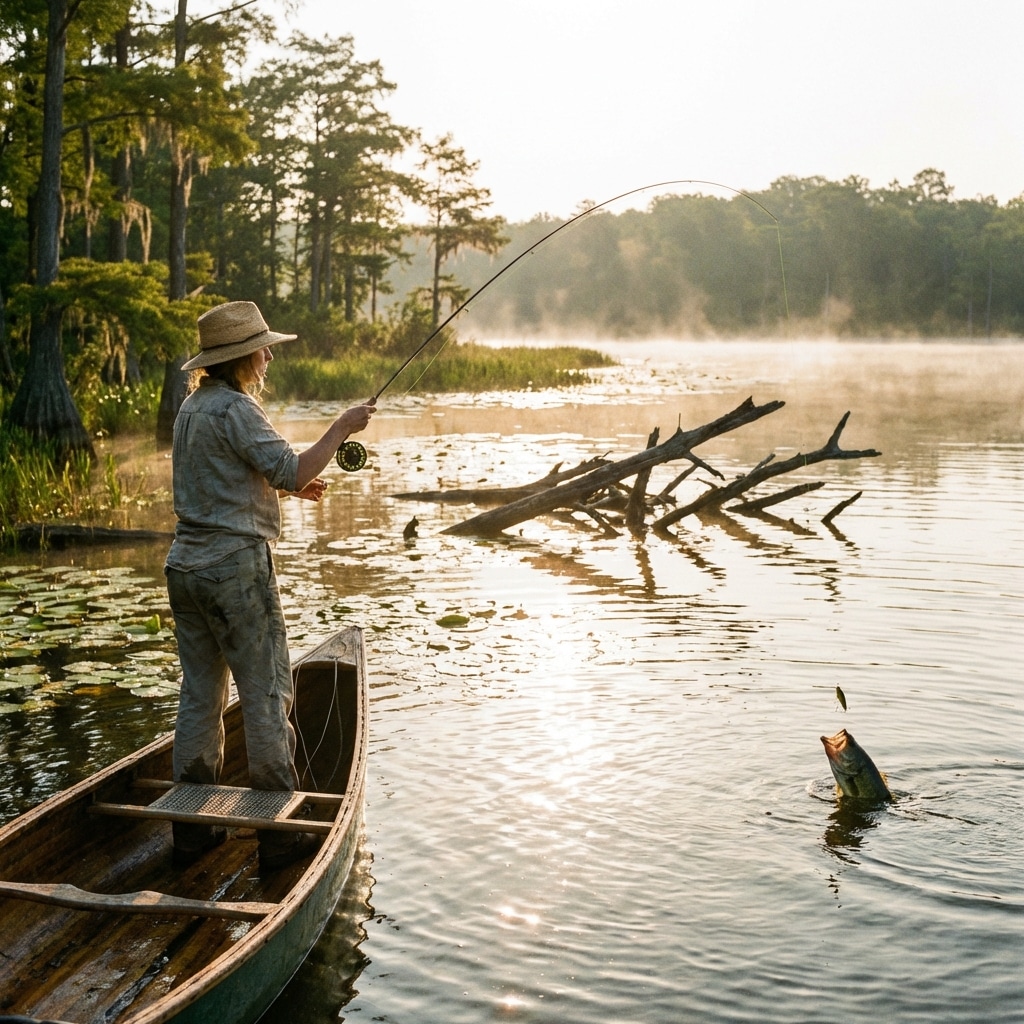
For dedicated anglers, the pursuit of the perfect catch is an endless quest. While many tools fill a tackle box, few are as revered, specialized, and downright artistic as the fishing fly. These miniature marvels aren’t just lures; they’re sophisticated imitations designed to fool even the wariest fish.
But what exactly is a fishing fly? And how do you harness their unique power to transform your angling success? In this comprehensive guide, we’ll dive deep into the world of fishing flies, exploring their intricate design, the materials that bring them to life, how to select the ideal fly for any situation, and the rich history that makes them an enduring symbol of the sport.
What Exactly is a Fishing Fly?
At its core, a fishing fly is an artificial lure, meticulously crafted to mimic the natural food sources of fish – typically aquatic insects (in various life stages), baitfish, or other small creatures. Unlike traditional spinning lures, flies are designed to be cast with a specialized fly rod and line, relying on the weight of the line itself to propel these lightweight imitations.
Their effectiveness lies in their incredible realism. From a delicate mayfly floating on the surface to a darting minnow deep underwater, a well-tied fly tricks fish into believing they’re encountering an easy, natural meal. This precision imitation is what makes them indispensable to the art of fly fishing.
The Craft of Fly Tying: Essential Materials
The creation of a fishing fly is a true blend of artistry and engineering. Fly tiers use a surprisingly diverse array of materials, transforming them into lifelike representations. The choice of materials directly impacts the fly’s appearance, buoyancy, movement in the water, and ultimately, its effectiveness.
The Foundation: Hook and Thread
Every fly begins with a hook, chosen for its size, shape, and strength to match the target species and the intended imitation. High-quality thread then becomes the binder, securing all subsequent materials to the hook shank with precision and durability.
Body, Wings, and Legs: Fur, Feathers, and Synthetics
Natural Fur: Often sourced from rabbit, muskrat, or deer, fur is excellent for creating fuzzy bodies, adding bulk, and trapping air bubbles to help flies float or sink naturally.
Feathers: Perhaps the most iconic fly-tying material, feathers from chickens (hackle), ducks (CDC), peacocks, and pheasants are used to form wings, tails, legs, and hackle collars that provide movement and buoyancy.
Synthetic Materials: Modern fly tying embraces synthetic fibers, foams, and glitters. These offer durability, vibrant colors, unique textures, and specific buoyancy properties that natural materials can’t always replicate.
Flash and Embellishments
To add an extra layer of attraction, many flies incorporate beads (for weight and eyes), sequins, or strands of reflective Mylar. These embellishments can simulate a baitfish’s scales, add vital weight for sinking flies, or simply catch the light to draw a fish’s attention.
Mastering Fly Selection: Matching the Hatch and Beyond
Choosing the right fishing fly is arguably the most critical skill for any fly angler. It requires observation, understanding of insect life cycles, and knowledge of fish behavior. The goal is to “match the hatch” – selecting a fly that closely resembles the prevalent natural food source in the water at that moment.
Consider Your Target Species
Different fish species have varying diets. Trout, for instance, are primarily insectivores, while bass might prefer larger baitfish imitations. Researching the typical diet of your target fish is your first step.
Analyze Water Conditions
Clarity: In clear water, realistic, subtle flies are best. Murky water often calls for larger, brighter, or darker flies with more contrast and movement to be visible.
Current: Fast currents may require heavier flies to get down to depth, while slower water allows for lighter, more delicate presentations.
Water Temperature: Insect activity can vary with temperature, influencing what fish are feeding on.
Size and Color Matter
Even if you pick the right species imitation, the wrong size or color can lead to rejection. Pay attention to the size of natural insects you observe. For color, consider the natural shades of the prey, but also how light penetrates the water – bright colors might be necessary in low light or deep water.
Understanding Fly Types
Dry Flies: Designed to float on the water’s surface, mimicking adult insects that have fallen into the water.
Nymphs: Imitate the immature aquatic insect stage that lives beneath the surface. These are typically weighted to sink.
Streamers: Larger flies designed to imitate baitfish, leeches, or other larger prey. They are often fished with an active retrieve to simulate movement.
Wet Flies: Traditional flies that fish just below the surface, often imitating emerging insects.
A Journey Through Time: The Rich History of Fishing Flies
The concept of using artificial lures to attract fish is remarkably ancient. Records suggest early forms of fishing flies were used as far back as the 2nd century A.D. by Macedonians, who tied red wool and feathers to hooks to catch spotted fish.
However, fly fishing as we know it began to truly develop in the medieval period, particularly in England. By the 15th century, treatises like Dame Juliana Berners’ “A Treatyse of Fysshynge wyth an Angle” detailed specific fly patterns. The 19th century ushered in a golden age, with advancements in tackle, the widespread publication of fly patterns, and the emergence of commercial fly tiers. This period solidified the fishing fly’s status as a sophisticated and indispensable tool, sparking an industry that continues to innovate and captivate anglers worldwide.
Beyond the Catch: The Art and Appeal of Fly Tying
While the primary purpose of a fishing fly is to catch fish, its appeal extends far beyond functionality. Each fly is a miniature sculpture, a testament to the tier’s skill, patience, and understanding of the aquatic world. This creative aspect draws many anglers into the art of fly tying, allowing them to customize patterns, experiment with materials, and forge a deeper connection with their sport.
The beauty and versatility of fishing flies offer anglers not just a means to increase their chances of success, but also a profound way to express their creativity, demonstrate their knowledge, and connect with centuries of angling tradition.
Conclusion
Fishing flies are far more than simple accessories; they are a unique blend of natural science, meticulous craftsmanship, and historical tradition. From their humble origins centuries ago to the diverse patterns available today, these tiny imitations offer anglers an unparalleled opportunity to engage with their environment and outsmart their quarry.
By understanding the materials, mastering the art of selection, and appreciating their rich history, you can unlock the full potential of fishing flies and elevate your angling experience to new, more rewarding depths. So, next time you’re on the water, remember the intricate beauty and profound effectiveness of the fishing fly – your key to greater success and deeper connection with the wild.