Ever gazed at a towering peak and felt an irresistible pull? Mountain climbing isn’t just an activity; it’s a profound journey of self-discovery, pushing physical and mental limits against the raw power of nature. But what exactly does it entail, and what separates the casual trekker from the dedicated mountaineer?
From scaling sheer rock faces to navigating treacherous glaciers, mountain climbing is a dynamic outdoor sport where participants ascend mountains using a combination of specialized techniques and equipment. It’s a pursuit that offers unparalleled views and a thrilling sense of accomplishment, yet demands respect, preparation, and a deep understanding of its inherent dangers.

What Exactly Is Mountain Climbing?
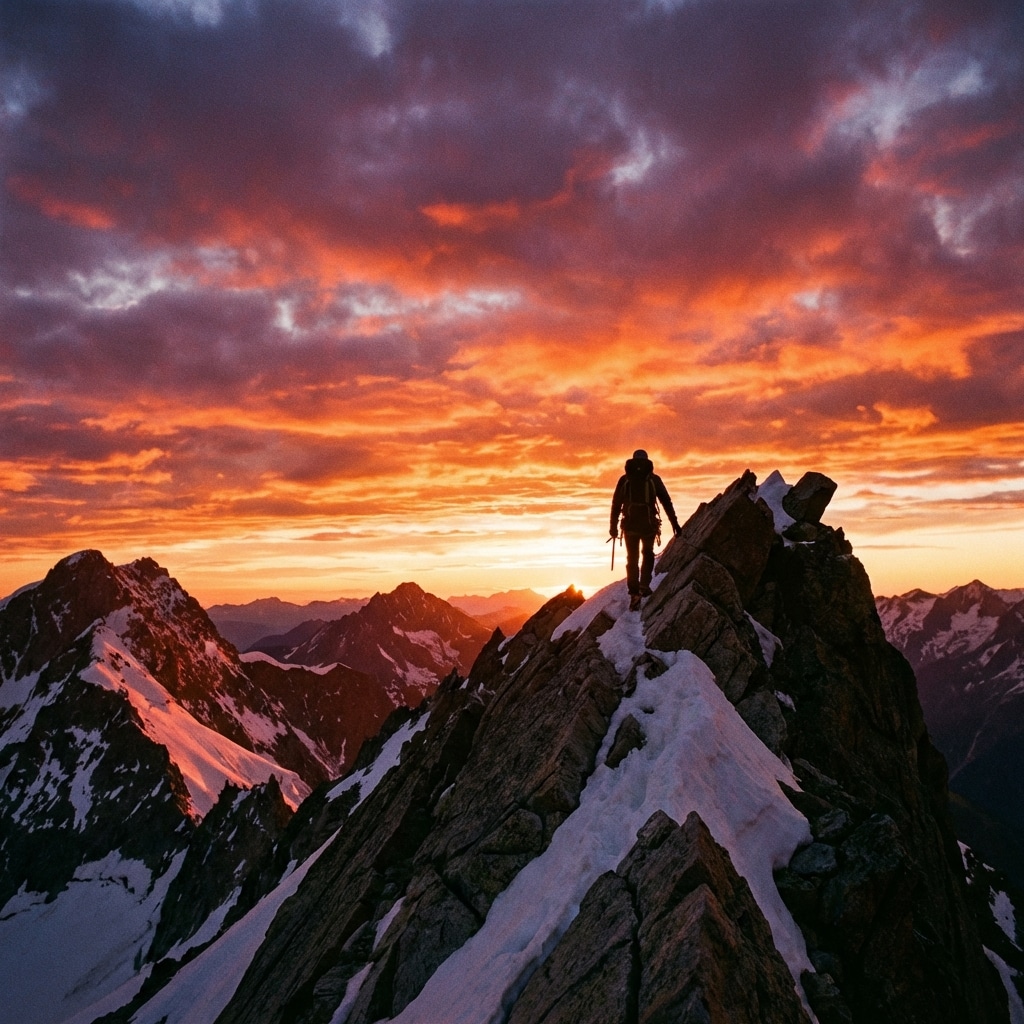
At its core, mountain climbing involves ascending a mountain, often using hands and feet, sometimes aided by ropes and other gear. It encompasses a wide spectrum of disciplines, from basic scrambling on rocky terrain to highly technical ascents of snow, ice, and rock at high altitudes.
People climb for diverse reasons: the breathtaking panoramas from the summit, the physical challenge of conquering a peak, the adventure of traversing a remote landscape, or even to hike or ski down a challenging slope. Regardless of the motivation, every ascent is a unique test of endurance and skill.
Essential Gear for Mountain Climbing
To safely navigate the varied and often harsh mountain environment, climbers rely on a crucial arsenal of specialized equipment. Each item plays a vital role in protection, mobility, and survival.
Key Climbing Equipment You’ll Need:
- Ropes: Indispensable for protection during falls, creating anchors, and rappelling down sections.
- Harness: Worn around the waist and legs, it connects the climber to the rope and other safety systems.
- Belay Device & Carabiners: Critical tools used with ropes to manage friction, control descents, and secure connections.
- Ice Axe: Essential for self-arrest on snow and ice slopes, as well as for balance and aid in ascent.
- Crampons: Metal frames with sharp spikes that attach to boots, providing superior traction on ice and hard-packed snow.
- Helmet: Protects the head from falling rocks, ice, and impact in the event of a fall.
- Mountaineering Boots: Sturdy, insulated, and often rigid boots designed to accommodate crampons and offer protection in cold, rugged terrain.
- Backpack: Sized appropriately for the climb, carrying water, food, extra layers, first-aid, and other emergency supplies.
Familiarity with how to properly use each piece of gear is as important as having it. New climbers should always take a comprehensive climbing course before attempting any serious ascent.
Prioritizing Safety: A Climber’s Mantra
Safety is not just a consideration in mountain climbing; it is the absolute foundation. The unforgiving mountain environment demands constant vigilance and strict adherence to safety protocols to minimize risks.
Critical Safety Precautions:
- Never Climb Alone: Always climb with a partner or a team. In an emergency, a companion can provide vital assistance or seek help.
- Inform Someone of Your Route: Always leave a detailed itinerary of your planned route and expected return time with a trusted person.
- Thorough Weather Checks: Mountain weather can change rapidly and dramatically. Always check forecasts and be prepared to turn back if conditions deteriorate.
- Proper Gear Inspection: Before every climb, meticulously inspect all your equipment for wear and tear. Your life depends on it.
- Physical & Mental Preparedness: Ensure you are in appropriate physical condition and possess the mental fortitude to face challenges and make critical decisions under pressure.
- Emergency Plan: Know how to respond to various emergencies, including falls, injuries, and sudden weather changes. Carry a first-aid kit and know how to use it.
- Consult a Mountain Guide: Especially for those new to the sport or attempting a challenging peak, a certified mountain guide provides invaluable expertise and safety leadership.
Night Climbing: A Different Perspective
While counter-intuitive to some, many mountaineers choose to climb at night. This practice isn’t for thrill-seeking; it’s often a strategic decision to mitigate certain dangers and leverage specific conditions.
Climbing in the dark can make navigation easier by allowing stars and headlamps to guide the way without the glare of direct sunlight. It also helps climbers avoid the intense heat of the day, reducing the risk of dehydration and exhaustion, and can sometimes mean encountering more stable snow and ice conditions before the sun warms them.
The quiet solitude of night climbing can also offer a unique, mentally stimulating experience. However, it introduces new challenges like reduced visibility and colder temperatures, demanding extra caution and excellent night navigation skills. Always consult a guide when considering a night ascent.
Mountain Climbing vs. Hiking: Understanding the Difference
While both involve walking in the outdoors, mountain climbing and hiking are distinct activities requiring different skill sets, equipment, and levels of risk.
Key Distinctions:
- Focus: Hiking is typically a leisurely activity of walking on established trails, enjoying scenery. Mountain climbing, or mountaineering, focuses on ascending peaks, often involving technical challenges.
- Terrain: Hikers stick to marked paths, usually in rural areas. Climbers tackle varied, often un-pathed terrain, including steep rock, ice, snow, and glaciers.
- Equipment: Hikers might carry a small backpack with water and snacks. Climbers require extensive technical gear like ropes, harnesses, ice axes, and crampons for safety and progression.
- Skills Required: Hiking demands basic fitness and navigation. Mountain climbing requires advanced fitness, technical climbing skills, wilderness survival, crevasse rescue knowledge, and often, alpine first-aid.
- Risks: While hiking has some risks, mountain climbing inherently carries significantly higher risks of severe injury or fatality due to exposure, falls, avalanches, and unpredictable weather.
The Inherent Risks: Understanding Mountain Climbing Fatalities
Mountain climbing, by its very nature, carries significant risks. While statistics vary based on the peak and climber experience, understanding these dangers is crucial for anyone considering the sport.
For context, a study cited by The University of Utah indicates an average fatality rate of around 4% for climbers attempting to summit Mount Everest. This number can be significantly higher for inexperienced climbers or those without adequate preparation. Common causes of fatalities include falls, avalanches, exposure, altitude sickness, and unforeseen weather events.
These rates are notably higher than those associated with hiking, underscoring the importance of meticulous planning, proper training, and professional guidance. Recognizing and respecting these risks is the first step toward a safe and rewarding climbing experience.
Conquering the World’s Most Dangerous Peaks
Some mountains stand out for their extreme challenge and high fatality rates, attracting only the most seasoned and prepared climbers. These peaks often combine high altitude, severe weather, and technical climbing difficulties.
Peaks That Demand Respect:
- Mount Kilimanjaro, Tanzania: While often considered a trekking peak, its high altitude (19,341 feet) leads to a significant risk of acute mountain sickness, making it dangerous for those unprepared for altitude.
- Denali (formerly Mount McKinley), Alaska, USA: North America’s highest peak (20,310 feet) is notorious for its extreme cold, brutal storms, and remote location, demanding advanced expedition skills.
- Mount Aconcagua, Argentina: The highest mountain outside of Asia (22,838 feet), Aconcagua tests climbers with severe winds, low temperatures, and the debilitating effects of extreme altitude.
- K2, Pakistan/China: Known as the “Savage Mountain,” it is the second-highest peak globally and considered far more challenging and dangerous than Everest, with a historically high fatality rate.
Attempting such climbs requires years of experience, specialized training, and often the support of professional guiding services. These mountains are not just physical barriers, but profound mental tests.
Ready to Start Your Ascent?
Mountain climbing is an extraordinary pursuit that challenges, inspires, and connects you deeply with the natural world. It’s an adventure that promises unparalleled rewards for those willing to put in the effort.
If you’re drawn to the vertical world, remember to start small, seek expert guidance, invest in quality gear, and always prioritize safety. With the right preparation and respect for the mountains, you too can experience the thrill of the climb and the majesty of the summit.