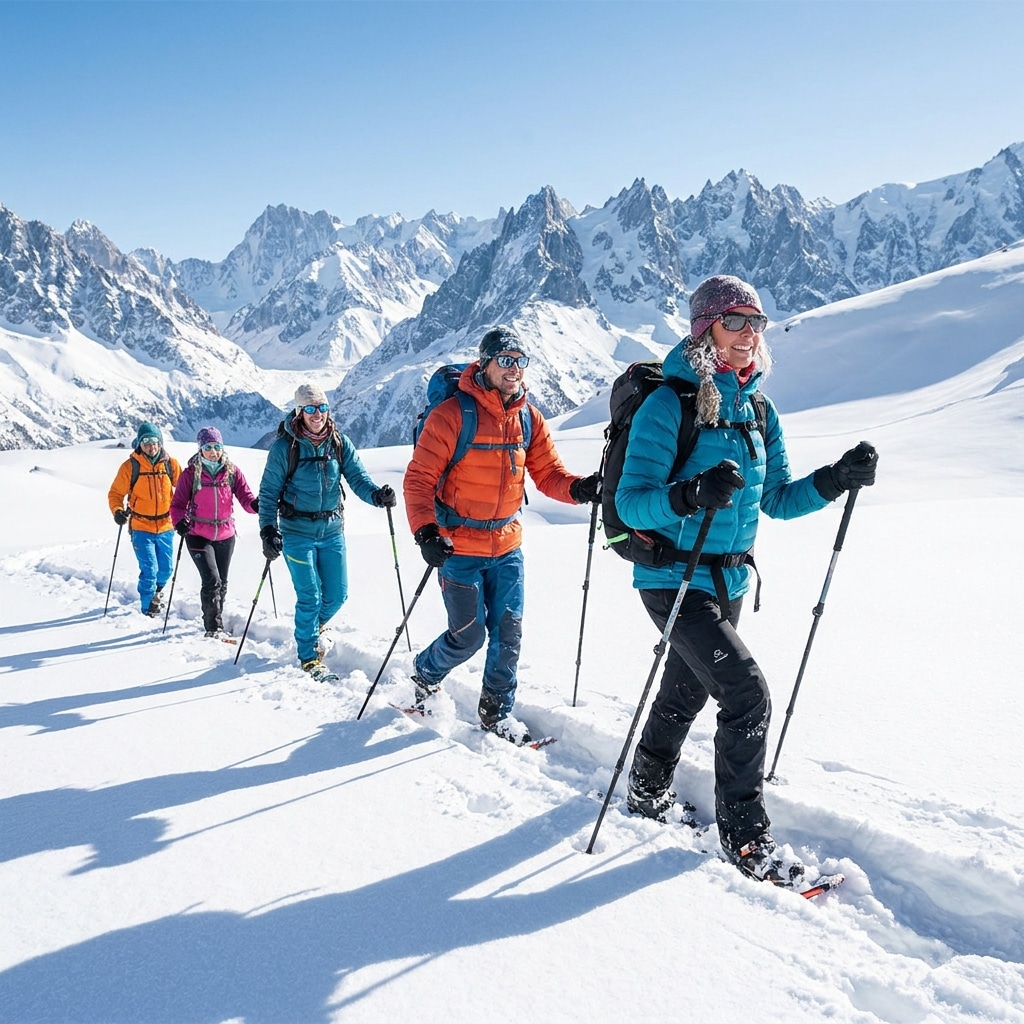
There’s nothing quite like the serene beauty of a snow-covered landscape, experienced firsthand on snowshoes. But a magical winter adventure can quickly turn miserable if your feet are cold, wet, or riddled with blisters. The secret to a comfortable and enjoyable snowshoeing trip? The right boots.
Your boots are the foundation of your snowshoeing gear, directly impacting your warmth, stability, and overall enjoyment. In this ultimate guide, we’ll explore what kind of boots to wear snowshoeing to ensure your winter excursions are everything you dream of: warm, dry, and utterly unforgettable.

Why Your Snowshoeing Boots Are Non-Negotiable for Winter Fun
When you strap on snowshoes, your feet become your primary connection to the snowy terrain. This constant interaction means your footwear isn’t just an accessory; it’s a critical piece of safety and comfort gear. Ill-suited boots can lead to a cascade of problems, from mild discomfort to genuine risk.
Imagine this: toes numb with cold, socks soaked through, or debilitating blisters forming with every step. These issues don’t just dampen your spirits; they can cut your adventure short, or worse, expose you to frostbite or injuries due to instability on uneven surfaces. Choosing the right snowshoeing boots ensures you stay warm, dry, supported, and ready to explore for hours.
Navigating Your Options: Top Snowshoeing Boot Types
Not all boots are created equal, especially when it comes to tackling snow and ice. Understanding the strengths of different boot types will help you select the perfect pair for your typical snowshoeing conditions and personal preferences.
1. Dedicated Insulated Winter Boots
For most recreational snowshoers, insulated winter boots are the quintessential choice. These boots are purpose-built for cold weather, featuring robust insulation and waterproof membranes designed to seal out moisture and trap warmth efficiently. They often come with higher cuffs for deeper snow protection.
When selecting, pay close attention to the boot’s temperature rating – choose one that matches or exceeds the coldest conditions you anticipate. Brands like Sorel, Baffin, and Columbia offer excellent options that prioritize warmth and waterproof performance, making them ideal snowshoeing boots for general use.
2. Sturdy Waterproof Hiking Boots (with modifications)
If you already own high-quality, waterproof hiking boots, they can absolutely be adapted for snowshoeing in milder winter conditions. Their primary advantages include excellent ankle support, a comfortable fit for long treks, and often a lighter weight compared to heavy winter boots. Many hikers find them more nimble on varied terrain.
The crucial caveat here is “waterproof.” They must be fully waterproof and paired with thick, insulated, moisture-wicking socks and essential gaiters. Gaiters are non-negotiable here, preventing snow from entering over the top of the boot, which is a common vulnerability for hiking boots in deep snow.
3. Rugged Mountaineering Boots
For the intrepid snowshoer venturing into high-alpine terrain, icy conditions, or multi-day winter expeditions, mountaineering boots are the gold standard. These incredibly durable boots offer superior stiffness, unparalleled ankle support, and often crampon compatibility – a testament to their robust design.
Mountaineering boots are typically insulated and fully waterproof, built to withstand the harshest environments. While they might feel overkill for a casual stroll, their protective qualities and performance in challenging scenarios make them a wise investment for serious winter adventurers seeking the ultimate in protection and stability for their snowshoeing gear.
Essential Features: What to Look for in Snowshoeing Boots
Beyond the general boot type, several key features dictate a boot’s performance in winter conditions. Prioritizing these will guide you to the perfect pair.
- Waterproofing: This is paramount. Look for boots utilizing proven waterproof-breathable membranes like Gore-Tex, eVent, or brand-specific technologies. Your feet will inevitably encounter wet snow and slush, so a reliable barrier is crucial to keeping them dry and warm.
- Insulation: Critical for thermal comfort, especially in freezing temperatures. Boots often feature synthetic insulation like Thinsulate or proprietary fills. Pay attention to the grams of insulation (e.g., 200g, 400g) or a specified temperature rating. More insulation equals more warmth, but also potentially more bulk.
- Ankle Support & Stability: Snowshoeing involves navigating uneven terrain and sometimes deep, powdery snow, which demands excellent ankle support to prevent twists and sprains. Look for boots with a stiff, supportive cuff that holds your ankle securely without restricting natural movement.
- Comfort & Fit: This can make or break your trip. Always try boots on with the specific socks you plan to wear, preferably at the end of the day when your feet are slightly swollen. There should be enough room to wiggle your toes, but no excessive heel lift or pressure points. A good fit prevents blisters and discomfort.
- Sole Grip & Binding Compatibility: While your snowshoes provide flotation and traction, the boot’s sole still matters for short walks to and from the trail, or if you need to briefly remove your snowshoes. Additionally, ensure the boot’s profile and stiffness are compatible with your snowshoe bindings to prevent slippage or awkward fit.
Enhance Your Experience: Beyond Just the Boots
Even the best snowshoeing boots benefit from complementary gear and smart practices. These additions can significantly elevate your comfort and extend your time outdoors.
The Power of Gaiters
Gaiters are unsung heroes of winter footwear. These waterproof sleeves wrap around your lower leg and boot, forming an impenetrable seal that prevents snow, ice, and debris from entering your boots from above. They are especially vital when venturing into deep powder or using lower-cut hiking boots, adding an invaluable layer of dryness and warmth.
Smart Sock Choices
Never underestimate the impact of high-quality socks. Ditch cotton, which absorbs moisture and quickly leads to cold feet. Instead, invest in merino wool or synthetic blend socks designed for winter activity. Merino wool is prized for its exceptional warmth-to-weight ratio, moisture-wicking properties, and natural odor resistance. A good sock choice prevents blisters and regulates temperature, working in tandem with your insulated boots.
Proper Boot Maintenance
To extend the life and performance of your snowshoeing boots, proper care is essential. After each outing, clean off any dirt or salt. Crucially, dry your boots thoroughly by removing insoles and placing them in a well-ventilated area, away from direct heat sources like radiators, which can damage materials. Regularly reapply waterproofing treatments as recommended by the manufacturer to maintain their protective barrier.
Final Thoughts: Gear Up for Your Best Winter Adventure
Choosing the right snowshoeing boots is more than just a gear decision; it’s an investment in your comfort, safety, and enjoyment of the winter wilderness. By understanding the types of boots available and prioritizing features like waterproofing, insulation, and proper fit, you’ll be well-equipped to tackle any snowy trail.
So, take the time to choose wisely, pair your boots with quality socks and gaiters, and maintain them diligently. Your feet will thank you, and you’ll be ready for countless memorable days exploring the beauty of winter. Happy snowshoeing!