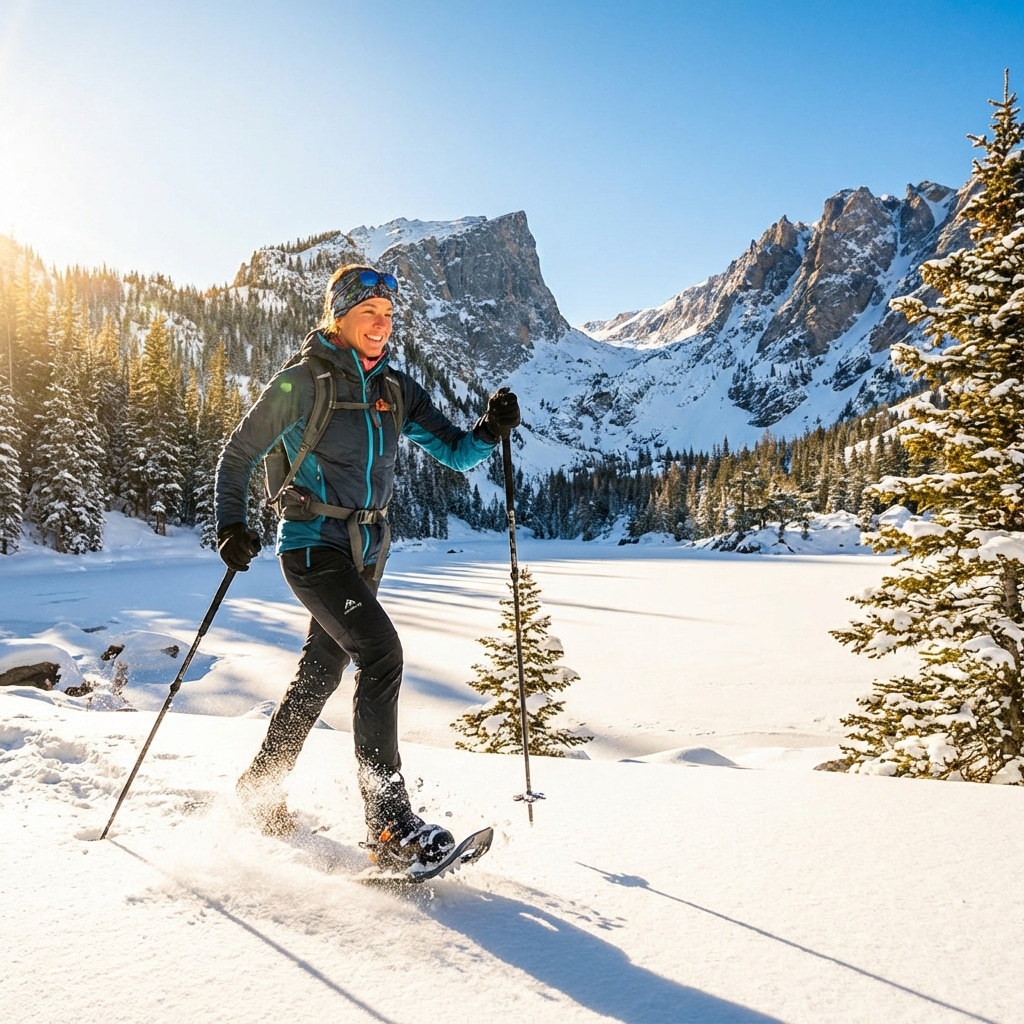
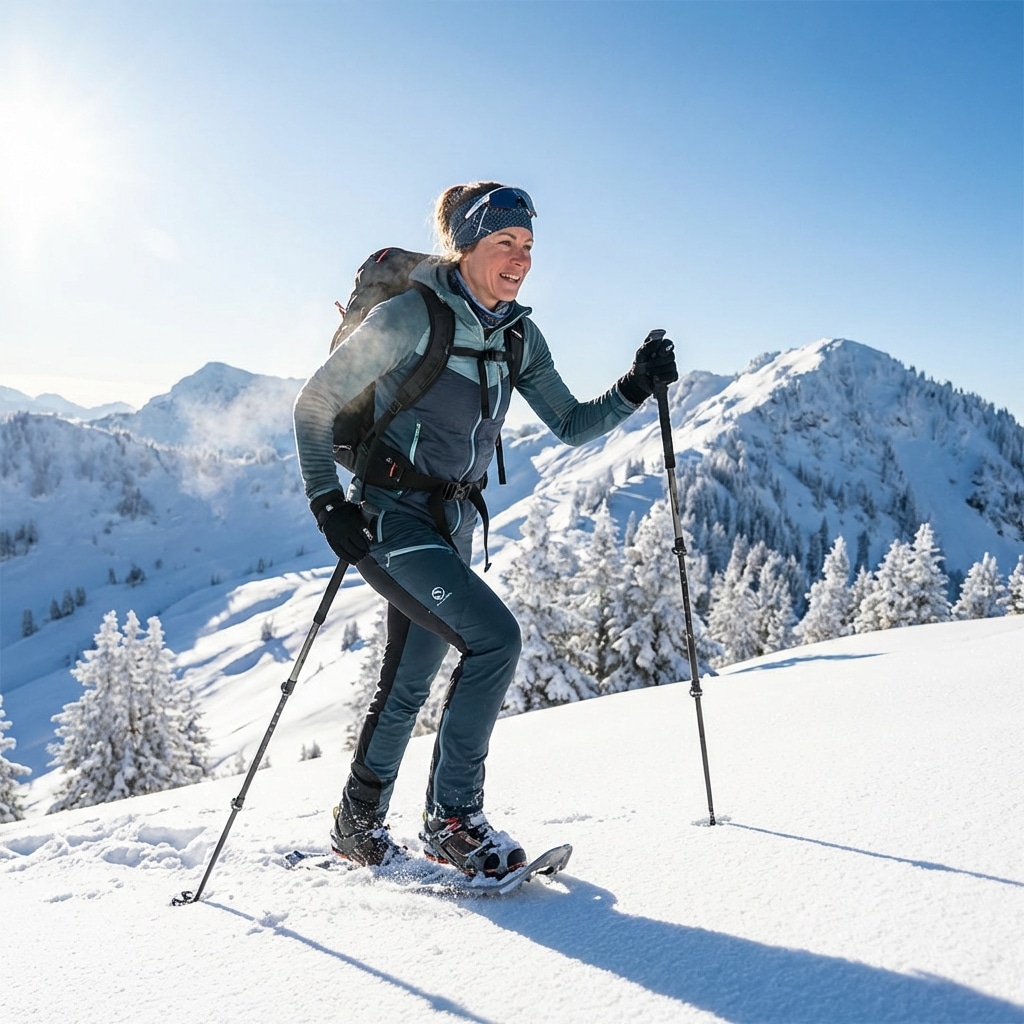
Imagine gliding effortlessly across a pristine, snow-covered landscape, the crisp winter air invigorating your senses. Snowshoeing offers an unparalleled escape into nature’s quiet beauty. But what if cold, wet feet or aching ankles cut your adventure short? The secret to truly enjoying every moment of your snowy trek lies in one crucial piece of equipment: your boots.
Choosing the right snowshoeing boots isn’t just about comfort; it’s about warmth, safety, and unlocking the full potential of your winter exploration. Don’t let improper footwear be the reason you miss out on the magic of the trails.
What Kind of Boots to Wear Snowshoeing? The Essential Features
Selecting the ideal boots for snowshoeing is paramount for comfort and safety. The right pair will keep your feet warm, dry, and supported, transforming a potential struggle into a joyful journey. Here are the critical factors to prioritize when choosing your next pair of snowshoeing boots.
Unmatched Warmth & Insulation
Don’t let freezing temperatures spoil your snowshoeing trip. Proper insulation is paramount for keeping your feet toasty, even on the coldest days. Look for boots with high-quality synthetic insulation like Thinsulate or Primaloft, often rated for temperatures down to -20°C to -40°C. Remember, warmth isn’t just about comfort; it’s vital for preventing frostbite.
Bulletproof Waterproofing
Snow and slush are inevitable, and wet feet quickly lead to cold feet. A reliable waterproof membrane, such as Gore-Tex or similar proprietary technologies, is non-negotiable. Ensure boots feature sealed seams and durable water-repellent (DWR) coatings to create an impenetrable barrier against moisture. This keeps your feet dry and happy throughout your entire adventure.
Superior Support & Stability
Traversing uneven, snow-covered terrain demands excellent ankle support. Boots with a rigid sole and robust ankle collar help prevent twists and sprains. Good arch support and a reinforced heel and toe also contribute to overall stability and protection, allowing you to move confidently and securely.
Aggressive Traction & Sole Grip
While snowshoes handle most of the flotation, your boots still need excellent traction when you’re off them or on icy patches. Look for outsoles with aggressive lug patterns designed for snow and ice. Vibram soles are a popular choice, offering superior grip and durability in various winter conditions.
Choosing Your Perfect Pair: Types of Snowshoeing Boots
Now that you know the essential features, let’s explore different types of boots that are ideal for snowshoeing, catering to various adventure styles and conditions.
Dedicated Winter Hiking Boots
Often the go-to choice, winter hiking boots strike an excellent balance of insulation, waterproofing, and flexibility. They are designed for varied winter conditions, providing enough warmth for most recreational snowshoeing excursions. Brands like Merrell, Salomon, and Columbia offer robust models perfect for day trips and moderate trails.
Rugged Mountaineering Boots
For adventurers tackling steep ascents, technical terrain, or multi-day expeditions, mountaineering boots are the superior option. These offer unparalleled ankle support, extreme insulation, and rigid soles ideal for kicking steps in snow and traversing challenging landscapes. While heavier, their durability and performance in harsh conditions make them worth the investment for serious snowshoers.
Cozy Pac Boots
When extreme cold is the primary concern, pac boots are your best friend. Known for their bulky yet incredibly warm removable liners, they excel in sub-zero temperatures and offer exceptional insulation. Brands like Sorel and Baffin are renowned for pac boots, making them ideal for leisurely treks in very cold, dry snow.
Backcountry Ski Boots (Advanced Consideration)
For those using snowshoes as part of a backcountry ski setup, specific backcountry ski touring boots can be integrated. While not traditional “snowshoeing boots,” they offer compatibility with ski bindings and often have a “walk mode” for shorter snowshoe approaches. This specialized option is for advanced users combining disciplines and prioritizing system integration.
Beyond the Boots: Complementary Gear for Optimal Comfort
Even the best snowshoeing boots benefit from thoughtful complementary gear. These additions can significantly enhance your comfort, warmth, and overall enjoyment on the trail.
High-Performance Socks
Even the best boots need the right socks. Opt for wool or synthetic socks that wick moisture away from your feet, preventing blisters and maintaining warmth. Avoid cotton at all costs, as it retains moisture and dramatically reduces insulation when wet, leading to cold and uncomfortable feet.
Protective Gaiters
Gaiters are unsung heroes, providing an extra barrier against snow and debris entering your boots from the top. They effectively seal the gap between your pants and boots, ensuring your feet stay dry even in deep powder. Many snowshoes have integrated straps to hold gaiters securely, making them an indispensable accessory.
The Importance of Fit
No matter the boot type, fit is king. Always try boots on with the thick socks you plan to wear during your snowshoeing adventures. Ensure there’s enough room to wiggle your toes comfortably, but your heel shouldn’t slip excessively. A proper fit prevents chafing, blisters, and cold spots, making all the difference on long treks.
Conclusion: The Right Fit for Every Snowshoer
Choosing what kind of boots to wear snowshoeing is a cornerstone of a successful and enjoyable winter adventure. By prioritizing insulation, waterproofing, support, and traction, you equip yourself for whatever the snowy trails throw your way. The right boots will be your trusted companions, providing warmth, protection, and stability.
Take the time to consider your typical snowshoeing conditions, the terrain you’ll encounter, and your personal comfort preferences. Invest wisely in a pair that aligns with your needs, and your feet will thank you with countless memorable days exploring winter’s magnificent beauty.