Dreaming of crisp autumn mornings, tracking through the woods, and the thrill of a successful deer hunt? For many outdoor enthusiasts, deer season is the most anticipated time of year. However, if you’re new to hunting or planning a trip to a different state, navigating the complex world of deer hunting seasons, regulations, and best practices can feel overwhelming.

Unlike a universal start and end date, deer hunting season varies dramatically. From the dense forests of the Northeast to the vast plains of the Midwest, each state, and often even specific zones within a state, sets its own unique rules. Understanding these nuances is not just about compliance; it’s about safety, ethical hunting, and maximizing your chances of a rewarding experience.

When is Deer Hunting Season in Your State?
The deer hunting season typically spans from late summer through the spring, but this broad timeframe is heavily influenced by geographical location and wildlife management strategies. For instance, some states might kick off bowhunting in September, while firearm seasons often begin later, usually in October or November.
These varying dates are crucial for herd health and population control. Wildlife agencies consider factors like deer breeding cycles (the “rut”), local deer populations, crop damage concerns, and hunter safety when setting their calendars. Always consult your specific state’s Department of Natural Resources (DNR) or Game and Fish Department for the most accurate and up-to-date season dates for your area.
Decoding Deer Hunting Regulations: Licenses, Limits & More
Before you even think about heading into the field, a thorough understanding of local hunting regulations is paramount. Laws can differ drastically, impacting everything from the species you can hunt to the weapons you can use.
Do You Need a License to Hunt Deer?
In nearly all states across the United States, obtaining a valid hunting license is a legal requirement. Beyond a general hunting license, you often need specific deer tags or permits for the season. Some states also mandate hunter education courses, especially for new hunters or those under a certain age, to ensure safe and responsible practices.
Understanding Bag Limits and Antler Restrictions
Regulations often dictate the number of deer you can harvest (bag limits) and sometimes even specific criteria, such as antler restrictions (e.g., “four points on one side”). These measures are put in place to manage deer populations effectively, promote healthy herds, and ensure sustainable hunting opportunities for future generations. Always check for specific weapon restrictions and land access rules, as these can vary even within a single county.
When is the Best Time to Hunt Deer?
While seasons vary, many experienced hunters agree that the period between mid-September and mid-November is generally the most productive. This window often encompasses the deer rut, or breeding season, when bucks are highly active, less cautious, and more focused on finding does.
Hunting during the rut increases your chances of encountering a mature buck. However, early season (late summer/early fall) can be excellent for patterning deer in their summer feeding areas, while late season (late fall/early winter) can offer opportunities as deer focus on calorie intake before winter, making food sources key.
Essential Gear for a Successful Deer Hunt
Having the right equipment is crucial for both success and safety in the deer woods. While specific items might depend on your hunting style and location, here’s a general checklist:
- Weaponry: A reliable rifle, shotgun, or bow suitable for deer hunting. Ensure it’s legal for your chosen season and location.
- Ammunition/Arrows: High-quality, appropriate for your chosen weapon and game.
- Optics: Binoculars are indispensable for spotting deer from a distance. A rangefinder can also be beneficial for accurate shots.
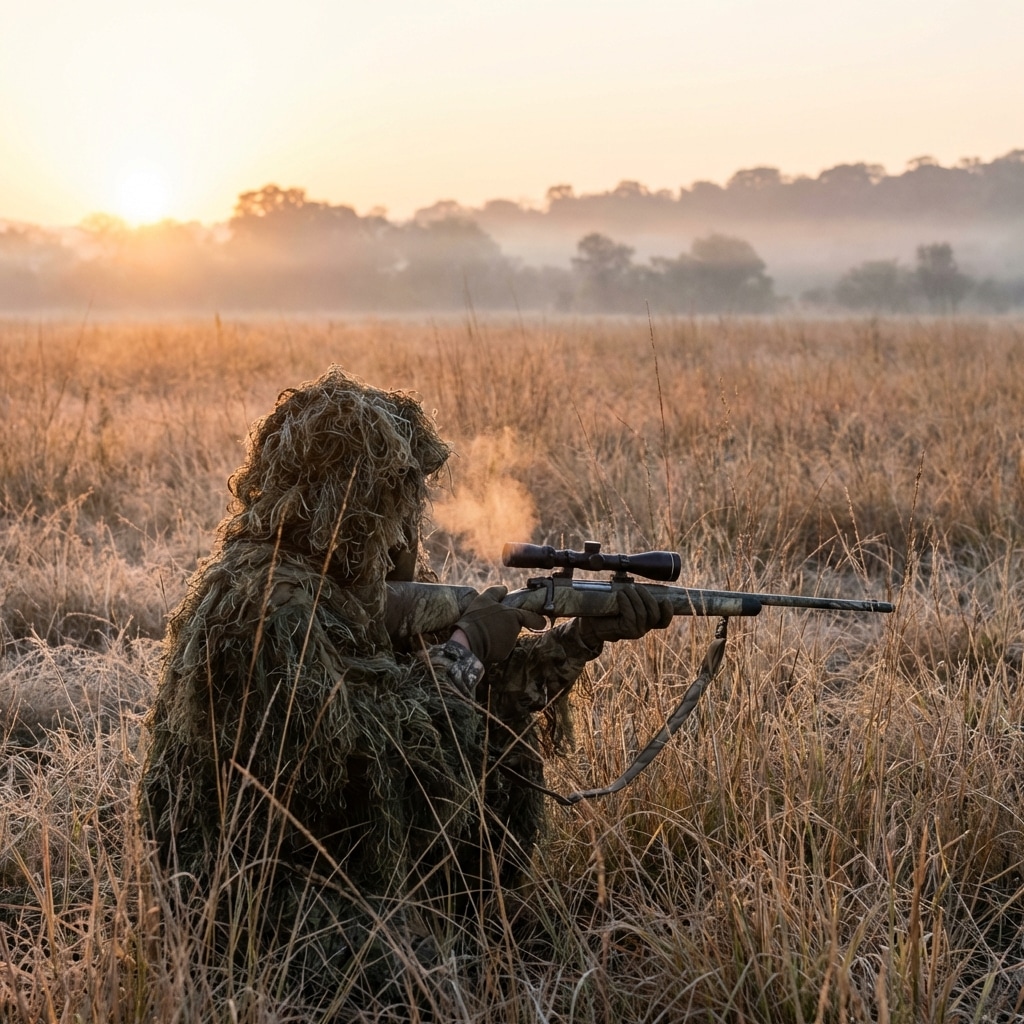
- Hunting Apparel: Camouflage clothing designed for the season’s weather is vital for blending in. Consider scent control clothing to minimize your human odor. Always check if hunter orange is required in your state.
- Navigation & Tracking: A reliable GPS device or smartphone app, compass, and maps are essential. A tracking device (like a blood tracking light) can aid in recovering game.
- Field Dressing Kit: Sharp knives, gloves, and game bags for processing your harvest ethically.
- Safety & Survival: A comprehensive first-aid kit, a whistle, a headlamp, fire-starting materials, and emergency food/water are absolute musts.
Prioritizing Safety in the Deer Woods
Safety should always be your number one priority when deer hunting. A well-planned and executed hunt is a safe hunt. Adhering to these principles protects not only you but also fellow hunters and wildlife:
- Know & Obey the Law: Always verify and follow all state and local hunting laws and regulations, including specific rules for public or private land.
- Gun/Bow Safety: Treat every firearm as if it’s loaded. Keep the muzzle pointed in a safe direction, keep your finger off the trigger until ready to shoot, and be sure of your target and what’s beyond it.
- Wear Hunter Orange: If required (or even if not, for added visibility), wear brightly colored hunter orange clothing.
- Awareness & Communication: Be constantly aware of your surroundings, including other hunters. If hunting with a group, establish clear communication methods and hunting plans.
- Physical & Mental Preparedness: Never hunt under the influence of drugs or alcohol. Ensure you are physically fit enough for the demands of the hunt.
- Tell Someone Your Plan: Inform a friend or family member of your hunting location, expected return time, and who you are with.
- Be Prepared for Emergencies: Always carry a first-aid kit and know how to use it. Understand basic survival skills.
Conclusion
Deer hunting is a cherished tradition and a rewarding outdoor pursuit that connects us with nature. While the specifics of deer hunting season can vary widely from state to state, the core principles of preparation, ethical conduct, and unwavering safety remain constant.
By diligently researching local regulations, equipping yourself properly, understanding deer behavior, and always putting safety first, you’re not just ready for the season—you’re preparing for an unforgettable adventure. May your efforts be fruitful, and your time in the deer woods be both exciting and safe!