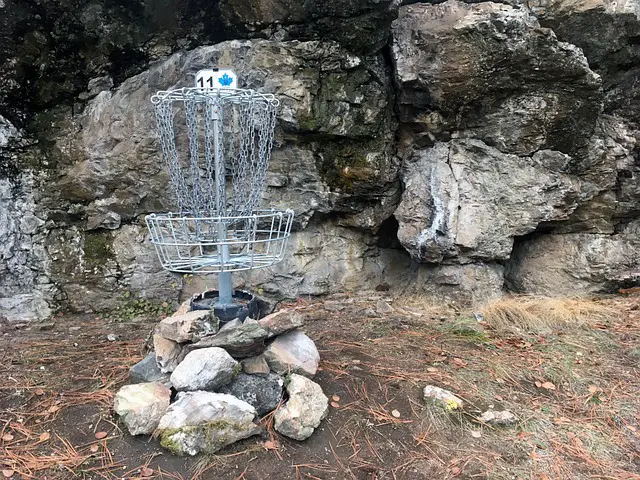
Ever wondered about that distinctive target at the heart of every disc golf course? Known affectionately as a disc golf basket, or sometimes by its original name, a Disc Pole Hole, this ingenious device is more than just a metal cage. It’s the ultimate goal, the satisfying clang of chains, and the focal point of every throw. Whether you’re a seasoned pro aiming for an ace or a casual player enjoying a round with friends, understanding the design, function, and even how to make your own disc golf basket can deepen your appreciation for the sport.
From championship courses to backyard practice setups, disc golf baskets come in various designs and constructions. Let’s dive into everything you need to know about these essential targets, from their anatomy and types to how you can even build one yourself.
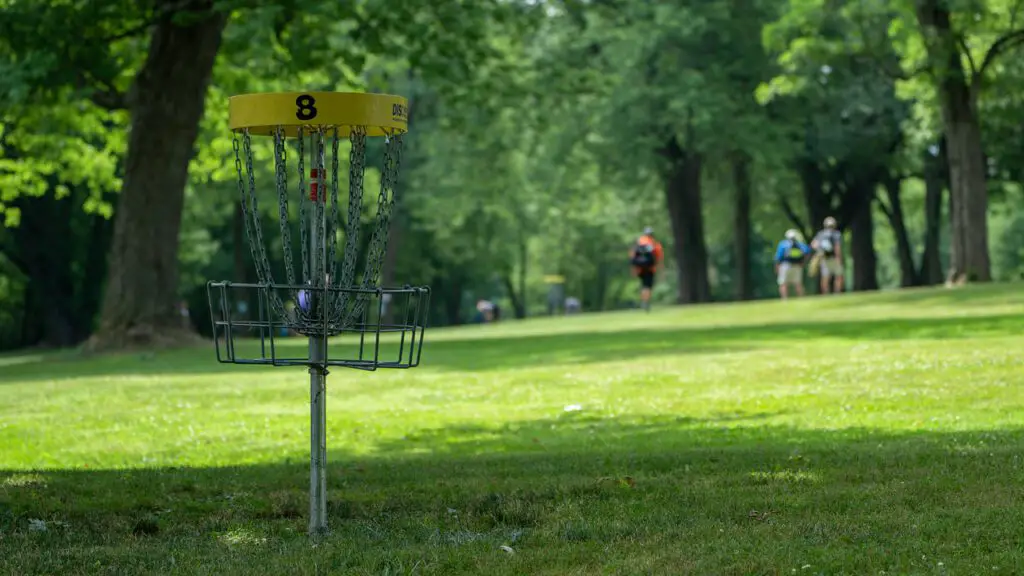
The Anatomy of a Disc Golf Basket: What Makes a Target?
At its core, a disc golf basket is designed to capture flying discs, bringing an exciting and definitive end to each hole. While designs vary, most baskets share common components that work together to “catch” your disc.
- The Pole (or Stand): The central support, usually made of steel, PVC, or wood, elevating the basket to the correct height.
- The Basket (or Tray): A metal cage or tray where the disc ultimately rests after being caught. This prevents the disc from rolling away.
- The Chains: A crucial element, these multiple strands of chain hang from a circular band above the basket. Their purpose is to slow down and deflect the disc downwards into the tray, ensuring a successful “holed out” shot.
- The Top Band (or Collar): The ring from which the chains are suspended.
- The Base: For portable baskets, a sturdy tripod or cross-shaped base; for permanent baskets, a ground sleeve or concrete foundation.
Understanding Disc Golf Basket Types
Just like traditional golf has different flagstick setups, disc golf baskets come in several forms, each suited for different needs and environments. Knowing the differences helps you choose the right target for your game.
Permanent Disc Golf Baskets
These heavy-duty baskets are typically found on established public courses. Designed for durability and stability, they are usually installed directly into the ground with concrete. Their robust construction ensures they can withstand harsh weather and constant use, providing a consistent target for all players.
Portable Disc Golf Baskets
Perfect for backyard practice, temporary courses, or taking on the go, portable baskets are lightweight and easy to assemble and disassemble. They feature a detachable pole and a stable base, allowing for convenient transport and storage. While generally less robust than permanent fixtures, modern portable baskets offer excellent catching performance.
Practice Baskets vs. Tournament-Grade Baskets
The main distinction often lies in chain count and material quality. Tournament-grade baskets, like those approved by the Professional Disc Golf Association (PDGA), feature a higher number of chain sets (often 24-32 chains in two rows) to maximize catching probability. Practice baskets, while functional, may have fewer chains and lighter construction, making them more affordable for casual use.
Standard Disc Golf Basket Dimensions
For consistent play and fair competition, the Professional Disc Golf Association (PDGA) sets standards for official disc golf targets. Knowing these dimensions is especially important if you’re practicing for tournaments or setting up a course.
- Target Height: From the playing surface to the top of the chain assembly, a regulation basket stands approximately 31 to 33 inches (78.7 to 83.8 cm) tall.
- Basket/Tray Dimensions: The open top of the basket (the tray where the disc lands) typically measures about 18 inches (45.7 cm) in diameter and 14 inches (35.6 cm) deep.
- Chain Configuration: Official baskets usually feature two rows of chains, with an inner and outer set, designed to efficiently catch and drop discs into the tray.
Buying Your First Disc Golf Basket: What to Consider
Ready to invest in your own disc golf target? A few key factors will help you choose the best disc golf basket for your needs and budget.
- Purpose: Is it for serious practice, casual backyard fun, or temporary course setups? This will guide your choice between permanent, portable, or heavy-duty practice models.
- Durability: Look for weather-resistant materials like galvanized steel or powder-coated finishes, especially if the basket will be outdoors constantly.
- Chain Count & Quality: More chains (and heavier gauge chains) generally mean better catching ability. Consider dual-layer chains for optimal performance, mimicking tournament-grade baskets.
- Portability: If you plan to move it frequently, choose a lightweight model with a quick-release base and easy assembly.
- Cost: Prices vary widely. Set a budget, but remember that investing in a higher-quality basket often translates to better durability and performance in the long run.
DIY Disc Golf Basket: Craft Your Own Target
Want a budget-friendly option or enjoy a good DIY project? Building your own disc golf basket can be a rewarding experience. While it may not replicate the exact feel of a professional target, a homemade basket is fantastic for practice.
Basic Materials for a Simple Practice Basket
- Central Pole: A 4-foot length of 1.5-inch or 2-inch PVC pipe or steel electrical conduit.
- Base: For PVC, a cross-shaped base made from more PVC pipe and fittings (tees, elbows); for conduit, a larger diameter pipe driven into the ground.
- Basket/Tray: A sturdy plastic bucket (like a 5-gallon bucket), an old bicycle rim, or a metal planter.
- Chains: Multiple lengths of light-duty chain (e.g., dog chain, utility chain) from a hardware store.
- Top Ring/Band: A smaller PVC ring or a metal hoop to suspend the chains.
- Hardware: Hooks, bolts, washers, and nuts for assembly.
Simplified Step-by-Step Guide
- Create the Pole and Base: Cut your PVC pipe to the desired height (around 34-36 inches for the pole). Assemble a sturdy base (e.g., cross-shaped with PVC T-fittings and end caps) to keep the pole upright. If using conduit, consider driving a slightly larger diameter pipe into the ground to hold the main pole.
- Construct the Tray: If using a bucket, cut out the bottom or drill drainage holes. For a bicycle rim, attach it firmly around the base of where your chains will hang.
- Attach the Top Ring: Secure a smaller diameter ring (PVC or metal) at the top of your pole. This will be where your chains hang from.
- Add the Chains: Cut your chain into lengths. You’ll want enough chain to hang from the top ring down to just above your basket/tray. Attach multiple strands evenly around the top ring. Aim for 8-12 chains for a basic practice basket.
- Assemble: Secure all components firmly. Ensure the pole is stable, the tray is level, and the chains hang freely.
Remember, a DIY disc golf basket is about getting reps in, not necessarily meeting professional standards. Get creative and use materials you have!
Installing Your Disc Golf Basket
How you install your basket depends on its type and your intended use. Both permanent and portable options have straightforward setup processes.
Permanent Installation (Concrete Method)
- Dig a Hole: Excavate a hole about 18-24 inches deep and 10-12 inches wide where you want your basket.
- Place the Ground Sleeve: Insert a ground sleeve (a larger pipe designed to hold the basket pole) into the hole. Ensure it’s level.
- Pour Concrete: Mix and pour concrete around the ground sleeve, filling the hole. Allow it to cure completely (usually 24-48 hours) before proceeding.
- Insert Basket Pole: Once the concrete is set, slide your disc golf basket pole into the ground sleeve. Secure it if needed with a set screw or pin.
This method provides maximum stability and security, ideal for public courses or dedicated backyard setups.
Portable Basket Setup
Portable baskets are designed for quick and easy assembly. Typically, you’ll connect the base (often a tripod or cross-shaped stand) to the main pole, then attach the basket tray and chain assembly to the top. No digging or concrete required! Simply find a level spot and set it up. This allows you to move your target around, simulate different course conditions, or store it away when not in use.
Frequently Asked Questions About Disc Golf Baskets
What are the baskets called in disc golf?
While commonly called “disc golf baskets” or simply “baskets,” the original patented name for the target was a “Disc Pole Hole,” coined by Ed Headrick in 1979.
Do you need a basket for disc golf?
Technically, no. You can play “object golf” using trees, light posts, or other markers as targets. However, a dedicated disc golf basket provides the authentic experience, consistent target feedback, and satisfying chain sound that makes the sport so enjoyable and is standard for official play.
How do you make a cheap disc golf basket?
The most economical way is to build one yourself using materials like PVC pipe, a 5-gallon bucket, and light-duty chains. Refer to our “DIY Disc Golf Basket” section above for a simplified guide and material list.
Maintaining Your Disc Golf Gear
While the article focuses on baskets, keeping your discs in top condition is also vital for consistent performance. Discs endure a lot of abuse, hitting trees, rocks, and the ground.
How to Clean Your Disc Golf Discs
To restore your discs’ appearance and grip, gently scrub them with a dry brush or a soft cloth, using mild dish soap and warm water. This removes dirt, mud, and grime without damaging the plastic. Rinse thoroughly and allow them to air dry completely before your next round.
For an added shine, you can use liquid plastic polish or furniture wax, but ensure these products are safe for the type of plastic your discs are made from. Always test on an inconspicuous area first.
What Kind of Plastic is Best for Disc Golf Discs?
The “best” plastic often depends on personal preference and desired flight characteristics, but high-grade plastics like “Star,” “Champion,” or “Pro” (brand-specific names may vary) are renowned for their durability, grip, and consistent flight paths. These premium plastics withstand impacts better and maintain their flight integrity longer than basic or “starter” plastics, making them ideal for serious players and outdoor use.
The disc golf basket, or Disc Pole Hole, is the ultimate objective in this rapidly growing sport. Understanding its components, types, and even how to create your own allows you to better appreciate the game and enhance your practice. Whether you’re sinking putts on a championship course or your backyard setup, the satisfying sound of chains is what it’s all about!