Dreaming of an active lifestyle that blends seamlessly with the beauty of the outdoors? A fitness trail is your answer! Imagine a customized outdoor gym, right in your backyard or community park, where every station invites you to push your limits, breathe fresh air, and connect with nature.

Whether you’re looking to boost family health, create an engaging community space, or simply diversify your personal workout, building a fitness trail offers endless possibilities. From dynamic strength stations to agility challenges and mindful stretches, these trails make exercise fun and accessible for all ages.
In this comprehensive guide, we’ll reveal 20 innovative fitness trail station ideas, provide expert tips on design and equipment, and answer all your burning questions to help you create a high-converting, health-boosting outdoor experience. Get ready to transform your outdoor space into an inspiring fitness hub!

What Exactly is a Fitness Trail?
A fitness trail, often called a parcourse or outdoor gym, is a path or circuit equipped with various exercise stations. These stations leverage natural surroundings and simple equipment to provide a full-body workout. They are designed for functional fitness, targeting cardio, strength, agility, and flexibility in an engaging outdoor environment.
Why Build a Fitness Trail? The Advantages of Outdoor Exercise
Exercising outdoors offers numerous benefits beyond a typical indoor gym session. A dedicated fitness trail amplifies these advantages, making it a valuable addition to any backyard or public space.
- Fresh Air & Natural Environment: Enjoy better air quality and the psychological benefits of being surrounded by nature. This can reduce stress and boost mood.
- Diverse Workouts: Incorporate varied terrain and natural obstacles, challenging your body in ways traditional gyms cannot.
- Improved Health & Fitness: Target cardio condition, muscular strength, agility, balance, and coordination more effectively. Outdoor elements often require greater stabilization.
- No Distractions: Escape the noise and confined spaces of indoor gyms, allowing for greater focus and mindfulness during your workout.
- Community & Family Engagement: Fitness trails are fantastic for group activities. They encourage families and communities to exercise together, fostering stronger bonds and shared healthy habits.
- Cost-Effective & Accessible: Many stations can be built using repurposed materials or simple, affordable equipment. Once established, access is typically free or low-cost.
20 Engaging Fitness Trail Station Ideas for All Levels
Ready to design your ultimate outdoor gym? Here are 20 diverse and effective fitness trail station ideas. Mix and match these to create a dynamic and exciting workout circuit that keeps everyone motivated and coming back for more!
Strength & Bodyweight Stations
- Push-Up & Plank Station: A clear, level space with a comfortable, durable surface or markers for hand/foot placement.
- Pull-Up/Chin-Up Bar: A sturdy, horizontal bar at various heights for different users. Essential for upper body and grip strength.
- Squat & Lunge Zone: A marked area for bodyweight squats, lunges, and jumping squats to target legs and glutes.
- Tricep Dip Station: Parallel bars or a robust, elevated bench ideal for tricep dips and incline push-ups.
- Wall Sit & Calf Raise: A flat, sturdy wall for isometric wall sits and a small block or curb for calf raises.
- Monkey Bars/Overhead Ladder: A classic for building upper body strength, grip, and coordination.
- Log Carry / Sandbag Carry: Provide a sturdy log or a weighted sandbag to be carried over a short, marked distance for functional strength.
- Tire Flips (Small Tires): A designated area for flipping small to medium-sized tires, great for full-body power.
Cardio & Agility Stations
- Jump Rope Station: A smooth, open area where users can bring their own jump rope or use a provided one for a quick cardio burst.
- Step-Up Platform: A stable, elevated box or natural rock for step-ups, box jumps (low height), and core work.
- Agility Ladder (Painted/Marked): Permanently painted or marked ladder on the ground for quick footwork drills, shuttle runs, and lateral movements.
- Sprints & Shuttle Run Markers: Cones or flags set at various distances (e.g., 20m, 50m) for interval sprints and shuttle runs.
- Bear Crawl/Crab Walk Lane: A clear, flat, or slightly inclined path designated for crawling exercises, enhancing full-body coordination and strength.
Balance & Flexibility Stations
- Balance Beam/Log Walk: A low-to-the-ground beam or sturdy log for improving balance and core stability.
- Stretching Post/Bars: Vertical and horizontal bars at varying heights for dynamic and static stretches, essential for injury prevention.
- Yoga & Meditation Zone: A quiet, level, clear space (perhaps with a soft surface) for cool-down stretches, yoga poses, or mindfulness exercises.
- Single-Leg Stand Station: A designated spot with clear instructions for single-leg balance holds and knee raises.
Unique & Fun Stations
- Medicine Ball Toss: A reinforced wall or ground target for medicine ball slams and throws (ensure safety and proper equipment).
- Hurdle Steps (Low): Small, stable hurdles (can be logs or PVC) for stepping over, improving hip mobility and coordination.
- Suspension Trainer Anchors: Sturdy anchor points for users to attach their own TRX or similar suspension trainers for a wide range of bodyweight exercises.
Designing Your Own Fitness Trail: Key Considerations
Building a successful fitness trail requires more than just picking stations. Thoughtful planning ensures safety, usability, and long-term engagement.
Planning Your Trail Layout and Length
Consider the available space in your backyard, park, or community area. For beginners, a trail length of 50-100 meters with 5-10 stations is ideal. You can always expand later. Ensure the path between stations is clear, safe, and easily navigable, creating a natural flow for the workout circuit.
Choosing the Right Surface
The ground surface plays a crucial role in safety and comfort. Aim for as level a surface as possible. Options include compacted dirt, grass, wood chips, rubber mulch, asphalt, or concrete. Rubber flooring or wood chips can provide impact absorption for high-intensity areas, reducing the risk of injury. Ensure proper drainage to prevent slippery conditions.
Essential Equipment & Budgeting
You don’t need to break the bank to get started. Many stations can be DIY using sturdy timber, old tires, or repurposed materials. For core equipment like pull-up bars or balance beams, invest in durable, weather-resistant materials. Start with one or two key pieces and gradually add more as your trail gains popularity or as your budget allows. Prioritize safety and structural integrity above all else.
Maintenance and Longevity
Regular maintenance is key to keeping your fitness trail safe and appealing. Inspect equipment for wear and tear, clear paths of debris, and address any slippery spots immediately, especially after rain. A pressure washer can help clean hard surfaces, while raking and sweeping maintain softer ones. Regular upkeep ensures your trail remains an inviting space for years.
Maximizing Your Fitness Trail Experience
To truly get the most out of your outdoor gym, integrate best practices into your routine.
Warm-Up and Cool-Down: Non-Negotiables
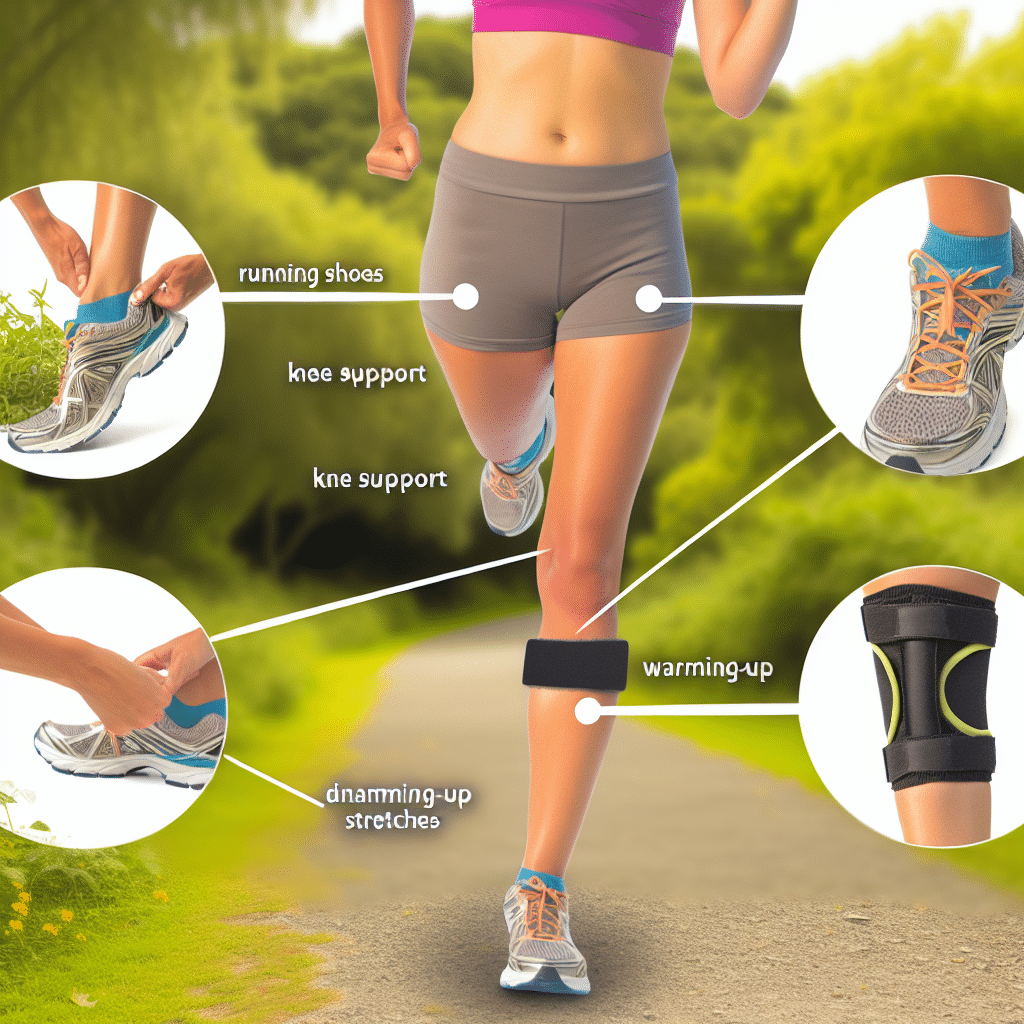
Always begin with a dynamic warm-up (5-10 minutes of light cardio and movement-based stretches) and end with a static cool-down (holding stretches for 20-30 seconds). This prepares your muscles, improves flexibility, and significantly reduces the risk of injury, such as pulled or torn muscles.
Beginner-Friendly Exercises
If you’re new to fitness trails, start with foundational bodyweight exercises. Classic options include chinups (assisted if needed), pull-ups, squats, lunges, and burpees. These exercises effectively engage multiple muscle groups and quickly elevate your heart rate, providing a comprehensive workout for all parts of your body.
Keeping Everyone Engaged
The biggest challenge for any fitness trail is maintaining interest. Combat this by regularly changing the routine every few weeks or months. Introduce new exercises at existing stations, add new equipment, or create themed workout challenges. Encouraging friendly competition and shared goals can also boost motivation and ensure people keep coming back for more.
Who Can Use a Fitness Trail?
Fitness trail systems are designed for universal appeal. They can be safely and effectively used by seniors, children, and individuals of all fitness levels. The exercises are typically low-impact and easily modifiable, allowing each user to adjust the intensity to their personal capabilities. This inclusivity makes them perfect for family outings and community wellness initiatives.
Fitness Trail FAQs
What does a fitness trail aim to improve?
Fitness trails are designed to improve a wide range of physical attributes. These include cardiovascular endurance, muscular strength, agility, balance, flexibility, and hand-eye coordination. They offer a holistic approach to fitness by engaging multiple physical systems simultaneously.
What are some examples of outdoor fitness trails?
Examples of outdoor fitness trails range from simple setups like pull-up bars and suspension cables for bodyweight exercises to more elaborate installations featuring sandbag carries, balance beams, and agility ladders. They are typically configured for functional fitness routines that mimic natural movements.
How do outdoor activities improve health and fitness?
Outdoor activities like hiking, trail running, mountain biking, and fitness trail workouts significantly improve cardio condition. They also enhance strength, agility, and coordination due to varied terrain and the dynamic nature of outdoor movements, often engaging stabilizer muscles more effectively.
What should I do if my fitness trail gets wet?
If your fitness trail gets wet, address it promptly to prevent slippery and dangerous conditions. Use a pressure washer to clean hard surfaces or a broom and dustpan to sweep away leaves, dirt, and standing water. Ensuring proper drainage during initial construction is key to minimizing this issue.
Ready to Build Your Own Outdoor Fitness Haven?
Creating a fitness trail is an investment in health, happiness, and community engagement. With these 20 station ideas and practical tips, you have all the inspiration needed to design a dynamic outdoor workout space.
Take the first step today: pick a fitness trail station idea and start building! Whether it’s a simple push-up station or a comprehensive circuit, the benefits of exercising outdoors are immense. Keep checking back for more fitness articles, workout guides, and exercise tutorials coming soon to help you on your journey.
If you found this article helpful, don’t hesitate to share it with friends, family, or community members who might also love the idea of an outdoor fitness trail. Don’t forget to subscribe to our newsletter for exclusive new fitness ideas, workouts, and exercise tutorials directly to your inbox!