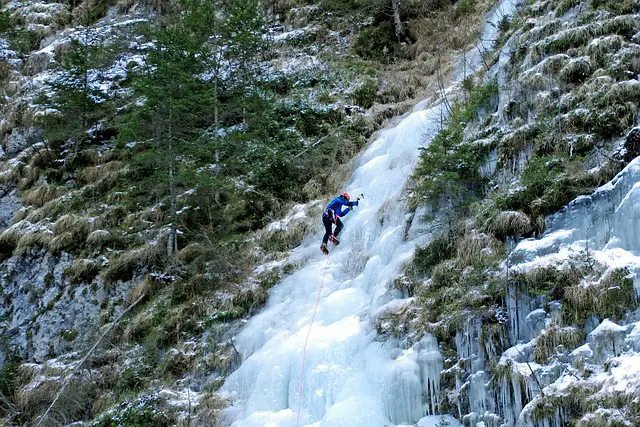
Ice climbing. The very phrase conjures images of majestic frozen waterfalls, towering alpine routes, and the exhilarating challenge of ascending vertical ice. But this isn’t a sport where you can just show up with any old footwear. Your ice climbing shoes aren’t merely accessories; they are the bedrock of your safety, performance, and ultimately, your success on the ice.
Choosing the right pair can feel like a daunting task amidst a sea of technical jargon and specialized features. This comprehensive guide cuts through the noise, providing you with everything you need to know about ice climbing boots – from their crucial role to helping you pinpoint the perfect pair for your next frozen adventure.
What Exactly *Are* Ice Climbing Shoes?
Often referred to interchangeably as ice climbing boots or mountaineering boots, these specialized pieces of footwear are engineered for one purpose: to help you conquer icy terrains. Unlike your everyday hiking boots, which prioritize flexibility and comfort for walking, ice climbing boots are designed to offer rigidity, insulation, and precise integration with crampons.
They feature robust, waterproof, and heavily insulated constructions to protect your feet from extreme cold and moisture. Crucially, their stiff soles provide a stable platform for attaching crampons and efficient power transfer when front-pointing or edging on hard ice.
Why Your Ice Climbing Shoes Aren’t Just *Shoes* – They’re Essential
Ignoring the importance of proper ice climbing footwear is a gamble no climber should take. These aren’t just about comfort; they’re about survival, efficiency, and unlocking your full potential on the ice.
1. Unmatched Protection & Safety
Ice climbing environments are inherently harsh and unpredictable. The right boots are your primary defense against extreme conditions. They shield your feet from frostbite, hypothermia, and injury by providing superior insulation and waterproofing.
Furthermore, their rigid construction offers critical ankle support, reducing the risk of twists and sprains on uneven, slippery terrain. This foundational protection ensures you can focus on the climb, not on battling the elements or potential injuries.
2. Elevating Performance and Comfort
Beyond safety, high-quality ice climbing boots are direct contributors to your performance. Their stiff soles allow for precise crampon placement and efficient power transfer, making every kick and step more effective. This rigidity is vital for edging on small ice features and maintaining stability when front-pointing.
A well-fitting, supportive pair reduces foot fatigue over long climbs, enabling you to climb stronger for longer. They allow for the necessary flexibility in your ankles while maintaining overall boot integrity, ensuring you move fluidly and confidently.
Navigating the Types: Which Ice Climbing Boot is Right for You?
Ice climbing boots come in various designs, each optimized for different conditions and climbing styles. Understanding these distinctions is key to making an informed choice.
Single-layer boots feature a single, integrated outer shell designed for lighter weight and increased mobility. They are typically less bulky than their double-layer counterparts, offering a more precise feel for technical ice and mixed climbing.
While they provide adequate insulation for many conditions, they are best suited for shorter climbs, milder temperatures, or highly technical routes where agility is paramount. They dry slower than double boots since there’s no removable liner.
2. Double-Layer Climbing Boots: The Fortress for Extreme Cold
Double-layer boots consist of an insulated outer boot and a removable inner bootie (or liner). This design provides superior insulation, making them the go-to choice for colder temperatures, longer expeditions, and high-altitude mountaineering.
The removable inner bootie is a major advantage, allowing you to dry them quickly in a sleeping bag overnight, crucial for multi-day trips. While bulkier and heavier, their warmth and versatility are invaluable in extreme environments.
How to Choose Your Perfect Pair: A Strategic Guide
Selecting the right ice climbing boots isn’t just about picking the most expensive or flashiest pair. It’s about matching the boot’s features to your specific climbing objectives, foot shape, and environmental conditions.
1. The Golden Rule: Fit, Fit, Fit!
An ill-fitting boot can lead to discomfort, blisters, hot spots, and even frostbite. Your boots should feel snug but not painfully tight. Ensure there’s no heel lift, and your toes have just enough room to wiggle slightly without touching the front of the boot when kicked forward.
Always try boots on with the specific socks you’ll be climbing in, preferably at the end of the day when your feet are slightly swollen. Walk around, go up and down stairs, and simulate climbing movements if possible.
2. Material & Durability: Built for Battle
Look for materials that are highly durable, waterproof, and breathable. Modern boots often use synthetic materials like Cordura, TPU, and various proprietary laminates (e.g., Gore-Tex) to achieve this balance.
The outer shell needs to withstand abrasion from rock and ice, while the internal insulation (like Primaloft) is crucial for warmth. Ensure high-quality construction with reinforced stitching and robust randing for longevity.
3. Crampon Compatibility: A Non-Negotiable
This is non-negotiable for ice climbing. Your boots *must* be compatible with the type of crampons you plan to use. Most ice climbing boots feature rigid soles and welts (lugs) at the toe and heel to accommodate automatic (step-in) or semi-automatic (hybrid) crampons.
Ensure your chosen boot has the appropriate front and rear welts if you plan to use technical crampons for steep ice. Strap-on crampons are generally not suitable for serious ice climbing due to their instability.
4. Stiffness & Support: Power vs. Walkability
The sole’s stiffness is critical for efficient ice climbing, providing the necessary platform for kicking and front-pointing without fatiguing your feet. However, a completely rigid boot can be less comfortable for long approaches.
Consider the trade-off based on your activity. A more rockered sole offers better walking comfort, while a flatter, stiffer sole excels on vertical ice. Ankle support is also vital for stability and preventing injuries on uneven terrain.
5. Insulation Level: Matching Conditions
Assess the typical temperatures and altitudes of your planned climbs. Single-layer boots are sufficient for warmer ice or shorter, faster ascents. Double-layer boots are non-negotiable for multi-day trips, extremely cold conditions, or high-altitude mountaineering where maximum warmth is paramount.
Always err on the side of warmer if unsure, as cold feet can quickly end a climb or lead to serious issues.
Beyond the Boots: Accessories & Maintenance Tips
Socks: Invest in high-quality, moisture-wicking wool or synthetic socks. Avoid cotton. Layering thin liners with thicker outer socks can provide adjustable warmth.
Gaiters: While many modern ice boots have integrated gaiters, external gaiters can add extra protection from snow, ice, and debris, especially in deeper conditions.
Drying: Always dry your boots thoroughly after each use. Remove liners from double boots. Use boot dryers or stuff them with newspaper in a well-ventilated area away from direct heat.
Storage: Store boots in a cool, dry place. Avoid prolonged exposure to direct sunlight or extreme temperatures, which can degrade materials.
Conclusion: Step Confidently Onto the Ice
Ice climbing is an incredible sport that demands respect for its environment and careful preparation. Your ice climbing shoes are more than just gear; they are a critical component of your safety system and a powerful tool for performance. By understanding the types, key features, and how to assess fit, you’re now equipped to choose a pair that will serve you faithfully on countless frozen adventures.
Invest wisely, care for your boots, and prepare to discover the thrilling world that awaits on the ice.