There’s a reason why hunters eagerly await the warming trends of spring. It’s not just for blossoming flowers or chirping birds; it’s for the elusive, highly prized morel mushroom. Often called “wood sponge” or “dryland fish,” these distinctive fungi are a culinary delight and a true treasure of the forest.

If you’ve ever dreamt of finding your own gourmet ingredients in the wild, morel mushroom hunting offers an exhilarating adventure. This guide will equip you with the knowledge to confidently identify, safely harvest, and deliciously enjoy these sought-after morsels, turning your springtime strolls into thrilling treasure hunts.

What Makes Morel Mushrooms So Special?
Morel mushrooms (Morchella species) are among the most celebrated wild edible mushrooms in North America. Their unique, honeycomb-like appearance and rich, earthy flavor make them a favorite among chefs and foragers alike. They truly elevate any dish they grace.
Beyond their culinary appeal, the thrill of the hunt itself is a huge draw. Finding these camouflaged gems requires patience, keen observation, and a good understanding of their habitat. It’s a fantastic way to connect with nature and enjoy the early spring outdoors.
When and Where to Find Morel Mushrooms
Morels typically emerge in early spring, from April through May, though the exact timing depends heavily on local weather and climate. Optimal conditions include a consistent stretch of warm days (around 60-70°F) following cool nights (above 40°F), coupled with reasonable rainfall.
The Ideal Morel Habitat
Morels thrive in specific environments, and knowing where to focus your search is key. Look for them in:
- Deciduous Forests: Especially those with well-drained soil.
- Associated Trees: Morels often form symbiotic relationships. Focus around decaying elm trees, ash, oak, and old apple orchards. Dying or recently deceased elm trees are particularly notorious morel producers.
- Disturbed Areas: Recently burned areas, logging sites, or places with soil disturbance can be prime spots the following spring.
- Terrain: You can find them on hillsides, steep forested ravines, and even flat valley floors. Pay attention to south-facing slopes early in the season, as these warm up faster.
Timing Your Hunt: Morel Season
The morel season progresses northward as spring advances. In the Midwest U.S., it’s a popular activity throughout many states. Keep an eye on local conditions and online forums for tips, as a sudden warm spell after rain can trigger an explosion of growth.
Key Indicators for Finding Morels
Don’t just walk; observe. Look for small, funnel-shaped mushrooms peeking through leaf litter. They blend in remarkably well, so moving slowly and training your eyes to spot their distinctive texture is crucial. Once you find one, slow down even more – where there’s one, there are often many!
Essential Gear for Your Morel Hunt
A successful and comfortable morel hunt starts with the right equipment:
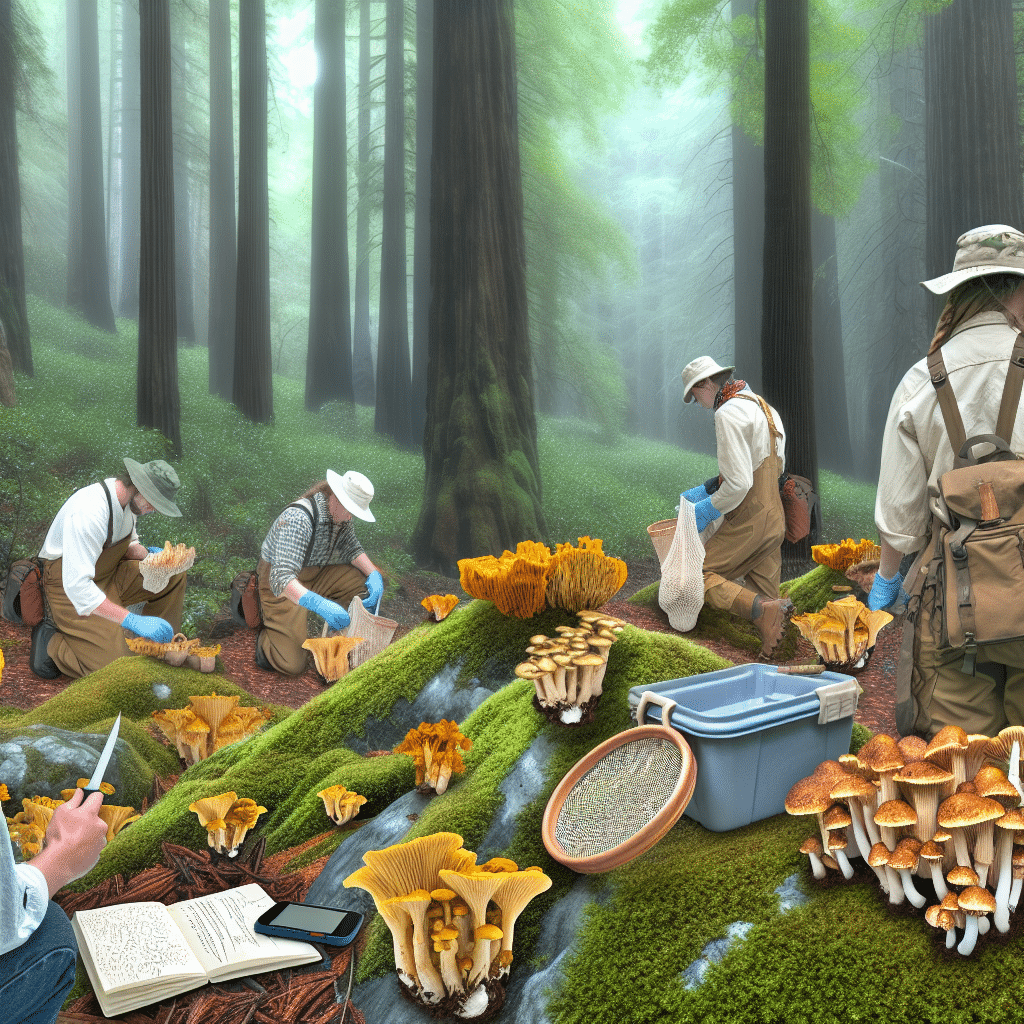
- Mesh Bag: Essential for collecting morels. A mesh bag allows spores to drop back into the forest, promoting future growth. Plastic bags can also suffocate the mushrooms and cause them to spoil faster.
- Pocket Knife: For cleanly cutting the morel stem at ground level, rather than pulling it, which can damage the mycelial network.
- Sturdy Footwear: Waterproof hiking boots are ideal for navigating damp, uneven forest floors.
- Insect Repellent: Ticks and mosquitoes are common spring companions.
- Water and Snacks: Stay hydrated and energized, especially on longer hunts.
- Compass or GPS: It’s easy to get disoriented when focused on the ground. Know your way back!
Identifying Morels Safely: Avoid False Morels
Morels are relatively easy to identify, but learning to distinguish true morels from poisonous look-alikes, often called “false morels,” is paramount for your safety.
True Morel Characteristics
- Honeycomb Cap: The cap is pitted and ridged, resembling a sponge or honeycomb. The pits are typically darker than the ridges.
- Hollow Inside: Slice a morel lengthwise from top to bottom. A true morel will be completely hollow from the tip of the cap through the stem. This is the most critical identification feature.
- Cap Attached to Stem: The cap of a true morel is fully attached to the stem, either directly at the base or partway up the stem, forming one continuous, hollow chamber.
- Irregular Shape: They come in various shapes and sizes, from conical to somewhat rounded.
What are False Morels?
False morels (often Gyromitra species, among others) can look somewhat similar but are poisonous and can cause severe gastrointestinal distress or worse. Key differences include:
- Brain-like or Wrinkled Cap: Often more convoluted, wavy, or lobed rather than pitted like a honeycomb.
- Partially or Solid Inside: When sliced lengthwise, false morels are typically cottony, chambered, or solid inside, not completely hollow.
- Cap Attached at Top Only: The cap often attaches to the stem only at the very top, with the edges hanging free like a skirt.
When in Doubt, Throw It Out!
Never consume a mushroom if you are not 100% confident in its identification. If you’re new to mushroom hunting, go with an experienced forager or join a local mycological society for hands-on training. There’s no substitute for expert guidance.
Harvesting and Preparing Your Morel Haul
How to Harvest Morels Responsibly
When you find a morel, use your knife to cut the stem at or just above ground level. Avoid pulling them out, as this can disturb the mycelial network beneath the soil, impacting future growth. Place your harvested morels in a mesh bag to allow spores to disperse as you continue your hunt.
Cleaning and Storing Your Morels
Morels are delicate. Handle them gently. Brush off any loose dirt or debris with a dry pastry brush or a damp cloth. Do not wash them thoroughly until just before cooking, as excess moisture can speed up spoilage.
For storage, place them in a paper bag in the refrigerator. They typically last a few days. For longer preservation, morels can be dried or frozen after being cooked. Cooked and frozen morels can last for months.
Cooking Morels Safely
- Never Eat Raw Morels: Raw morels contain compounds that can cause gastric upset. Always cook them thoroughly.
- Sautéing: This is a classic method. Slice them lengthwise, dredge lightly in flour or breadcrumbs (optional), and sauté in butter until golden brown and tender.
- Frying: A simple batter and a hot pan can turn morels into a crispy delicacy.
- Baking: Add them to quiches, tarts, or stuffings for an earthy flavor boost.
- Boiling (Optional Pre-treatment): Some prefer to briefly boil morels for 5 minutes before other cooking methods, believing it further breaks down any potentially irritating compounds. This is a matter of preference, but full cooking is always required.
Morel Hunting Etiquette and Regulations
Respect for nature and fellow foragers is key. Always know the local regulations before you go. Some states or public lands may have restrictions on daily limits, season dates, or even require a permit for foraging.
Always ask permission before foraging on private land. Leave no trace, pack out anything you pack in, and avoid disturbing wildlife. Sustainable harvesting ensures these wonderful mushrooms can be enjoyed by everyone for years to come.
Get Out There and Hunt!
Morel mushroom hunting is more than just a search for food; it’s an immersive experience that deepens your connection to the natural world. The excitement of spotting that first morel, the satisfaction of a successful harvest, and the pure joy of savoring their unique flavor are unparalleled.
So, as spring approaches, gather your gear, learn the signs, and step into the woods. You’ll be amazed at the treasures waiting to be discovered, and you might just find your new favorite springtime tradition!