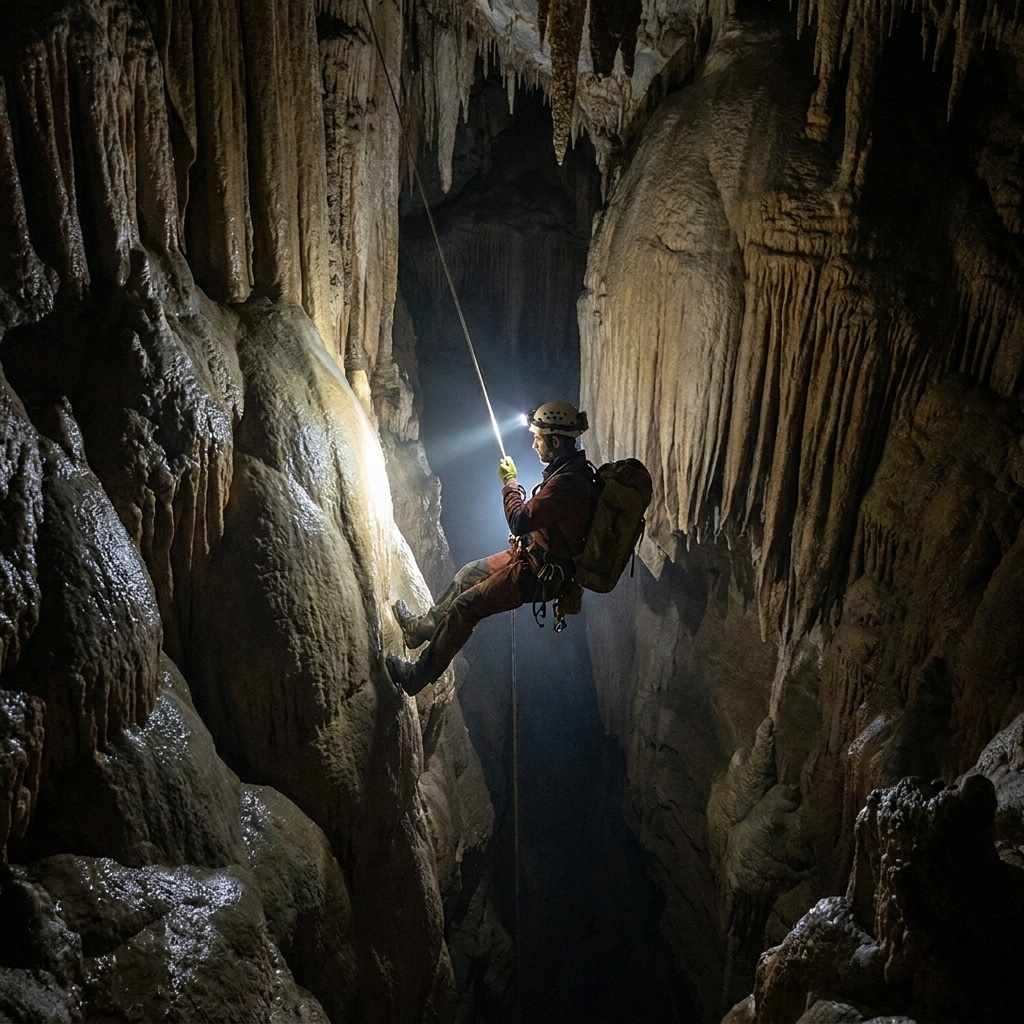
Ever peered into a dark opening and wondered what mysteries lie beneath? Caving, often known as spelunking in North America or potholing in the UK, isn’t just an extreme sport; it’s a profound journey into the Earth’s hidden depths. This exhilarating adventure takes you into natural underground spaces, from awe-inspiring subterranean cathedrals to thrilling, narrow passages.
But what does caving truly mean to those who venture into these incredible subterranean worlds? It’s an unparalleled blend of exploration, physical challenge, mental fortitude, and a deep connection with our planet’s ancient history.
The Allure of the Deep: Unpacking “What Caving Means”
For centuries, humans have been drawn to the enigma of caves. Beyond simple adventure, caving offers a multi-faceted experience that speaks to various aspects of the human spirit. It’s an activity that involves exploring these underground labyrinths, which can range from well-known tourist spots to remote, uncharted systems.
More Than Just an Adventure: A Connection with Nature’s Core
For many, understanding what caving means starts with a profound connection to nature. Caves are geological marvels, sculpted over millions of years by natural processes. The intricate stalactites, stalagmites, and shimmering flowstones inside are living testaments to Earth’s immense history and raw beauty.
Exploring these ancient formations fosters a deep appreciation for our planet’s hidden wonders. Cavers often find themselves in awe of the untouched, pristine environments, experiencing a unique sense of humility and reverence.
A Symphony of Challenges: Physical and Mental Fortitude
Caving demands a unique blend of physical and mental prowess. Physically, you’ll be climbing, crawling, squeezing through tight spaces, and navigating uneven terrain. Endurance, strength, and flexibility are absolutely crucial for a safe and enjoyable trip.
Mentally, caving tests your ability to remain calm and focused in dark, often claustrophobic environments. Overcoming these natural fears and physical hurdles provides an immense sense of achievement, boosting self-confidence with every successful descent.
The Scientific Frontier: Speleology and Discovery
Beyond adventure, caves hold significant scientific value. Speleologists, scientists dedicated to studying caves, explore these subterranean worlds to understand geological formations, hydrogeology, and unique ecosystems. These isolated environments often harbor species found nowhere else on Earth.
Discoveries in caves contribute to our understanding of Earth’s climate history, evolutionary processes, and even potential biomedical breakthroughs from unique cave-dwelling organisms. This pursuit of knowledge is a core part of what caving means to the scientific community.
Ready to Descend? Your Caving Starter Guide
If you’re intrigued by the allure of the underground world and wondering how to start caving, embarking on your first subterranean adventure is easier than you might think. With proper guidance and preparation, you can safely explore these incredible spaces.
Find Your Tribe: Joining Caving Clubs & Groups
The best way to begin your caving journey is by joining a local caving club or organization. These groups offer invaluable training sessions, guided tours, and often provide access to shared equipment. Most importantly, being part of a group ensures safety, as caving should never, ever be done alone.
Essential Gear: Equipping Your Expedition
Proper gear is paramount for a safe and enjoyable caving experience. Your essential caving kit should include a sturdy helmet with a primary headlamp and at least two backup light sources. Don’t forget durable clothing, gloves, knee pads, and appropriate footwear with good grip.
Depending on the cave’s complexity, additional equipment like ropes, harnesses, descenders, and ascenders (for vertical caving) might be necessary. Always ensure your gear is in excellent condition and suitable for the specific cave you plan to explore.
Mastering the Depths: Core Caving Techniques
Caving techniques vary widely based on the cave’s characteristics. Some require basic scrambling, while others demand advanced climbing, rope work (Single Rope Technique or SRT), or even swimming and diving skills. Learning these essential techniques from experienced cavers or through formal training programs is fundamental for both safety and competence.
Exploring Subterranean Worlds: Types of Caves
The Earth’s crust hosts an incredible variety of caves, each offering a unique exploration experience. Understanding the different types helps you appreciate their formation and the distinct challenges they present.
Limestone Caves: The Art Galleries of Earth
These are the most common type of caves, formed by the dissolution of soluble rocks like limestone, dolomite, and gypsum by acidic water. Limestone caves are famous for their stunning speleothems – intricate formations like stalactites (hanging from the ceiling), stalagmites (rising from the floor), columns, and flowstones.
Volcanic Caves: Journeys Through Ancient Lava
Formed directly from volcanic activity, these caves are typically created by flowing lava. Lava tubes, for instance, form when the outer surface of a lava flow solidifies, while the molten interior continues to flow, emptying out to leave a tunnel. They often feature smooth walls and floors, distinct from the rougher textures of other cave types.
Ice Caves: Frozen Wonders
Ice caves contain significant amounts of ice year-round and are truly enchanting. They can form within glaciers (glacier caves) or in environments where cold air gets trapped at a cave’s entrance, causing ice to accumulate and persist. Exploring these demands special precautions due to extremely cold temperatures and slippery, fragile surfaces.
Navigating the Unknown: Prioritizing Caving Safety
While caving is an adventure, it’s not without its inherent risks. However, with meticulous preparation, proper training, and constant awareness, these risks can be significantly mitigated, ensuring a safer and more enjoyable experience.
Environmental Risks & Mitigation
Falling Rocks: Always wear a helmet and be mindful of loose overhead material.
Flooding: Check weather forecasts meticulously, especially for heavy rainfall, as flash floods can occur quickly. Avoid caving during or immediately after storms.
Low Oxygen/High CO2: Be aware of potential changes in air quality in poorly ventilated caves. If anyone feels dizzy or short of breath, turn back immediately.
Hypothermia: Caves are often cold and damp. Dress in layers of synthetic or wool clothing, and carry emergency blankets.
Preventing Physical Injuries
The physical demands of caving can lead to various injuries, from minor cuts and bruises to more severe sprains or fractures. Always wear appropriate protective gear, including knee and elbow pads. Ensure you are physically fit for the specific cave you’re exploring, and know your limits.
Proper technique, learned from experienced cavers, also plays a critical role in preventing strain and injury during climbs, crawls, and descents.
The Labyrinth Factor: Avoiding Disorientation
The labyrinth-like nature of many caves can easily lead to disorientation and getting lost. To prevent this, always carry multiple reliable light sources and spare batteries. Learn basic navigation skills, including using a map and compass, or even simple string-laying techniques in complex systems.
Always inform someone reliable of your caving plans, including your expected return time and the specific cave you’ll be exploring. Never venture into unknown caves alone, and always stick to your group.
The Enduring Call: Why Caving Captivates Us
So, what does caving mean in the grand tapestry of human adventure and exploration? For some, it’s an exhilarating physical challenge and a test of mental resilience. For others, it’s a spiritual journey into the profound beauty and tranquility of the Earth’s untouched spaces. And for many, it’s a vital scientific pursuit, uncovering secrets that benefit all humanity.
Regardless of your motivation, caving offers an extraordinary way to experience the hidden wonders of our planet. It’s a powerful reminder of the incredible marvels that lie beneath our feet, patiently waiting to be discovered by those brave enough to venture into the depths.
Whether you’re a seasoned subterranean explorer or a curious beginner, the call of the underground invites you. Gear up responsibly, stay safe, and let the captivating world of caving reveal its countless secrets to you.